






Your Refrigerator’s Coldest Corners
Not all parts of your refrigerator are created equal when it comes to temperature. While you might set the thermostat to a food-safe 4°C (40°F), the actual temperature can vary significantly from shelf to shelf. Cold air sinks, so the bottom shelf and
any meat drawers are typically the coldest parts of the fridge. The very back of the shelves, where the cooling vents are often located, is another prime spot for accidental freezing. Conversely, the refrigerator door is the warmest area, as it's most exposed to temperature fluctuations every time you open it. Knowing this basic geography is the first step to smarter storage.
The Science of Chilling Injury
For many fruits and vegetables, especially those of tropical origin, the cold is a serious threat. When these delicate items are stored at temperatures that are too low (but still above freezing), they can suffer from what is known as 'chilling injury'. This is not the same as freezing, where ice crystals form and destroy cells. Chilling injury is a physiological disorder that causes symptoms like pitting on the skin, watery spots, internal discolouration, and a failure to ripen properly. A chilled tomato will become mealy and lose its flavour, while a cucumber might develop soft, water-soaked areas. This damage often becomes most apparent after the produce is brought back to room temperature.
Produce That Dislikes the Deep Chill
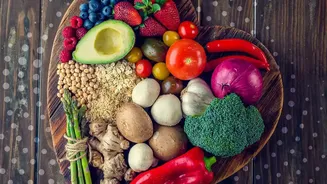
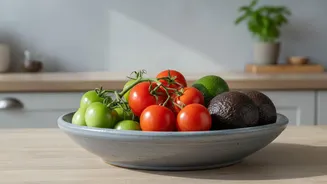
A surprising number of common items in an Indian kitchen are sensitive to the cold. Tomatoes, for instance, should be left on the counter until ripe to develop their full flavour; refrigeration makes them bland and grainy. Cucumbers and aubergines (brinjal) are also best kept out of the coldest fridge zones, as they are prone to developing soft spots and decay. Basil, that quintessential aromatic herb, will wilt and turn black in the fridge; it's better kept in a glass of water on the counter. Other vulnerable vegetables include bell peppers (capsicum), which can lose their crunch, and potatoes, which can turn unpleasantly sweet and gritty when cooked if stored too cold.
Handle These Fruits with Care
Fruits are just as susceptible to cold damage. The most famous example is the banana, which should never be refrigerated before it's ripe, as the cold stops the ripening process and turns the peel black. Melons, whether whole or cut, tend to lose their delicate flavour and aroma in the fridge. Tropical fruits like mangoes and papayas also prefer to ripen at room temperature to achieve their best taste and texture. While you can move some fruits to the fridge for a day or two after they have fully ripened to extend their life, they should be kept away from the super-cold back wall and bottom shelf.
A Strategy for Smarter Storage
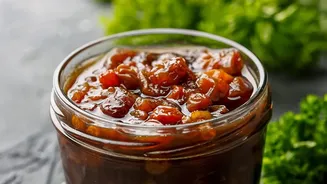
The solution is to map your fridge according to its temperature zones. Use the warmer door shelves for condiments, jams, and pickles. The upper shelves, which tend to have a more stable and moderate temperature, are great for leftovers, drinks, and dairy. Reserve the coldest bottom shelf for raw meat and fish, which benefits from the low temperature and prevents cross-contamination. Keep your cold-sensitive produce like tomatoes, cucumbers, and bananas on the counter. For leafy greens and other vegetables that benefit from refrigeration, use the crisper drawers. These drawers are designed to maintain higher humidity, which helps prevent items like spinach, coriander, and lettuce from wilting. By separating produce based on its needs, you protect it from both wilting and freezing.