



More Than Just Annoying
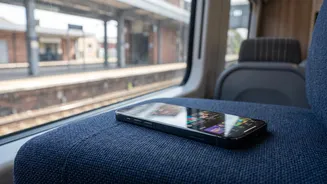
The endless scroll of social media has created a new kind of public nuisance, one that echoes through the compartments of Indian trains. Passengers playing videos, music, or talking loudly on their phones without headphones has become a top complaint.
While many view it as a simple lack of civic sense, Indian Railways officially categorises it as a punishable offence. The Ministry of Railways has repeatedly issued guidelines and instructed staff to take action against those disturbing the peace of fellow travellers. This isn't about restricting entertainment; it's about ensuring a comfortable journey for everyone in a shared space. The problem has become so widespread that railway authorities have been forced to move from simple advisories to active enforcement, reminding passengers that their personal entertainment should not become a public disturbance.
The Official Rulebook on Noise
To combat the issue, Indian Railways has a clear set of rules. The primary guideline is that no passenger should cause inconvenience to others. This is especially strict between 10 PM and 6 AM, a period designated for sleeping. During these hours, all activities that could disturb others, including talking loudly, listening to music without earphones, or having loud group conversations, are strictly prohibited. However, the rules against causing a nuisance are not limited to night-time. At any point during the journey, if a passenger is found creating a disturbance with loud audio or video, they are in violation of railway policy. Railway staff, including ticket examiners (TTEs), catering staff, and Railway Protection Force (RPF) personnel, are empowered to intervene and ensure these rules are followed. The message is simple: your right to entertainment ends where your co-passenger's peace begins.
The Legal Power of Section 145
The railway's authority to penalise noisy passengers is not just an internal policy; it's backed by law. Section 145 of the Railways Act, 1989, specifically deals with 'drunkenness or nuisance'. While the section covers intoxication, its definition of nuisance is broad and highly relevant. It states that if any person in any part of a train 'commits any nuisance or act of indecency, or uses abusive or obscene language', they shall be punishable. Playing loud music or videos that disturb others squarely falls under the definition of 'nuisance'. This legal provision gives railway officials the power to do more than just issue a warning. It allows them to take formal action, turning a matter of bad etiquette into a legal violation with tangible consequences. This is the key tool used by the RPF during enforcement drives.
Fines, Penalties, and Enforcement
So, what actually happens when someone is caught? Under Section 145, a passenger found guilty of causing a nuisance can face a fine of up to ₹500 and/or imprisonment for a term that may extend to one month. While jail time is typically reserved for more serious or repeated offences, the fine is a common penalty. For repeat violators, the consequences can indeed get tougher. A passenger who continues to cause a disturbance after being warned may not only face the maximum penalty but could also be removed from the train by the RPF at the next station. Zonal railways often conduct special enforcement drives to crack down on this behaviour. During these periods, checks are more frequent and penalties are applied more stringently. The 'tougher penalties' for repeat violations are not necessarily new laws, but a stricter application of the existing ones.
What Can You Do As a Passenger?
If you find yourself next to a passenger who is playing media loudly, you have a few options. The first and simplest step is a polite request. Often, people are simply unaware of how much their noise is bothering others and will comply when asked. If the person refuses or becomes confrontational, you should not engage further. Instead, you can report the issue to the TTE, the coach attendant, or any RPF personnel on board. For a more formal complaint, you can use the Rail Madad portal or app, or post on the official social media handles of Indian Railways, mentioning your PNR and coach details. These complaints are monitored, and action is often directed to the relevant staff on the running train. Knowing the rules empowers you to seek a peaceful journey without having to endure the disruption.