








The Science of Irresistible
Scientists have a term for foods that are so delicious you can’t stop eating them: hyper-palatable. These are not just tasty; they are meticulously engineered to light up the reward centres in our brains. Hyper-palatability is achieved by combining specific
ingredients, most often fat, sugar, sodium, and carbohydrates, in ratios that rarely exist in nature. This potent mix can override your body's natural fullness signals, making you want more even when you're not hungry. Think of it as a flavour jackpot that your brain finds intensely pleasurable, which explains why you can’t have ‘just one’.
The 'Healthy Snack' Illusion
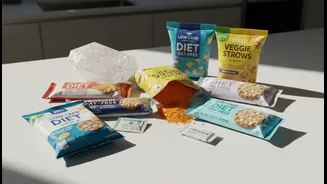
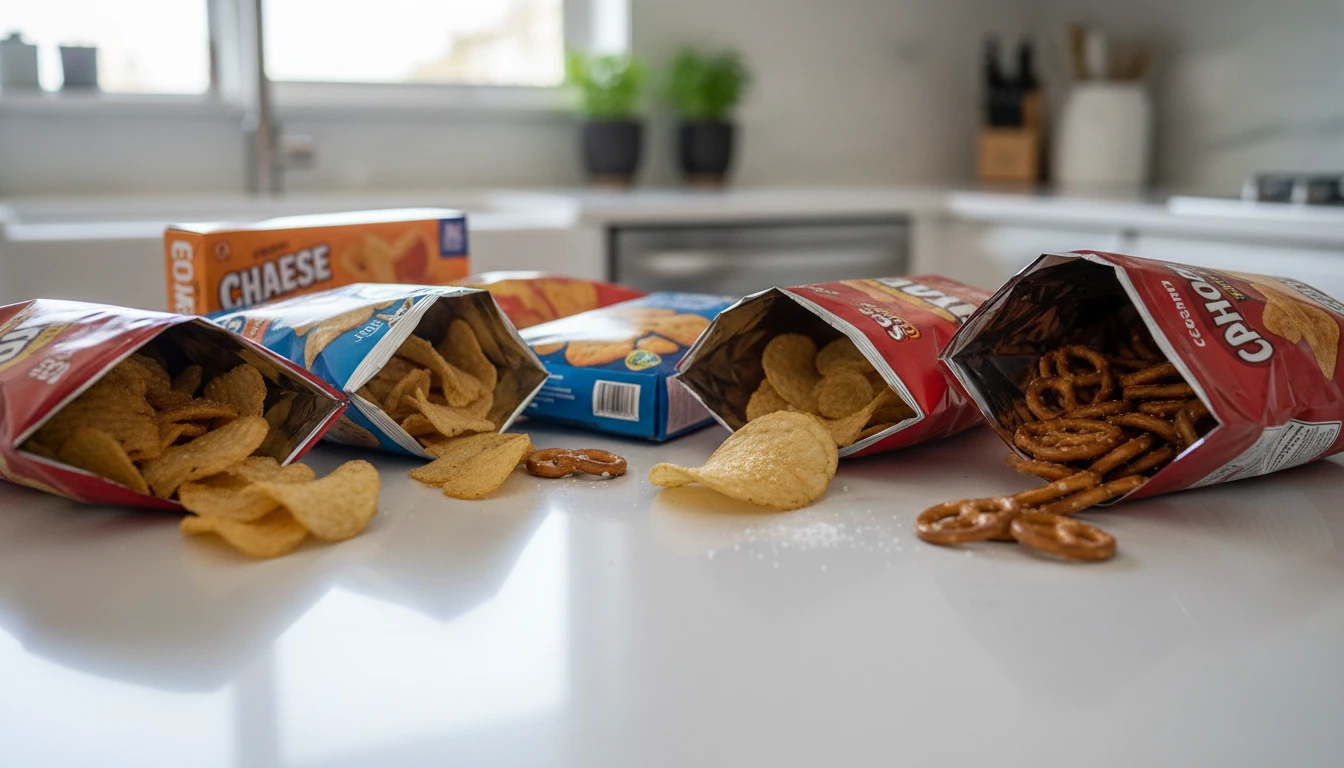
Here's where the trap springs. You pick up baked chips, believing they’re a healthier alternative to their fried cousins. While they might have slightly fewer calories or less fat in some cases, the difference is often minimal. To compensate for the lack of fat—which provides flavour and a satisfying mouthfeel—manufacturers often increase the levels of sodium, sugar, and refined starches. These additions ensure the chip is still intensely flavourful and crunchy, hitting the hyper-palatable sweet spot. The product is then wrapped in what marketers call a “health halo,” using words like “baked,” “low-fat,” or “multi-grain” to make you perceive the product as much healthier than it actually is.
Why Health-Conscious Youth Are Vulnerable
Young people today are more health-conscious than ever. They actively seek out snacks that align with their wellness goals, making them a prime target for this kind of marketing. Brands understand this desire for healthier options and exploit it by positioning these engineered snacks as guilt-free indulgences. The appeal is powerful: you get the satisfaction of a crunchy, salty snack without the perceived health cost. Research shows younger consumers are more likely to choose products that claim to be healthier versions of their favourite treats. This makes them particularly susceptible to the health halo, leading them to overlook the high sodium or processed carbohydrate content hidden behind the “low-fat” claim.
How to Outsmart the Marketers
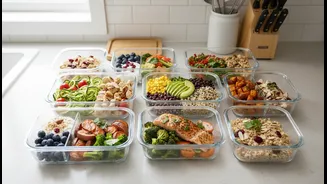
Escaping the hyper-palatability trap isn’t about demonising snacks; it’s about becoming a smarter consumer. The first step is to ignore the loud claims on the front of the package and turn it over. Scrutinise the nutrition label and the ingredients list. Look for hidden sugars and high levels of sodium. The ingredients list is ordered by quantity, so pay close attention to what comes first. Often in baked chips, you'll find 'dried potatoes', cornstarch, and sugar listed before many other components. Opt for snacks with shorter, more recognisable ingredient lists. Whole foods will almost always be a better choice. When you crave a crunch, consider options like roasted chickpeas, a handful of nuts, or even homemade baked vegetable chips where you control the oil and salt.