








The Grand Scale and Its Modern Challenges
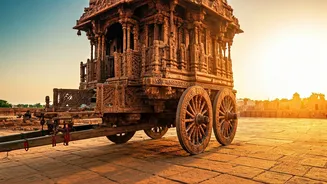
The Rath Yatra in Puri is one of the world's largest religious gatherings, a vibrant spectacle of devotion where millions of people come together to pull the chariots of Lord Jagannath, Lord Balabhadra, and Devi Subhadra. This year's main festival falls
on July 16, 2026. While the spiritual energy is profound, the sheer density of people creates immense logistical hurdles. In recent years, challenges like extreme overcrowding and heat have led to tragic incidents, including a stampede in 2025 that prompted authorities to begin preparations for the 2026 event seven months in advance to prevent a recurrence. This has put a renewed focus not just on physical arrangements but on the crucial role of communication in managing the millions who make the journey.
Navigating the Journey to Puri
Reaching Puri during the festival requires careful planning. In response to the massive influx, the Odisha government and Indian Railways have arranged for special transport services, including nearly 370 special trains and hundreds of additional buses. However, private vehicles are heavily restricted. Most visitors arriving by car or bus will be directed to designated parking zones on the outskirts, such as at Malatipatpur. From there, a park-and-ride system using shuttle buses and free autorickshaw services will ferry pilgrims closer to the temple area. Despite these measures, congestion is unavoidable, and travel times will be significantly longer. The universal advice from officials and seasoned pilgrims is to arrive at least one or two days before the main procession and to book all travel and accommodation months in advance. Many find it more practical to stay in nearby Bhubaneswar and use the dedicated bus services for day trips.
The Information Gap: Finding Reliable Updates
The phrase “official communication habits” in the headline points to a critical challenge: how do authorities effectively relay vital information to a massive, moving crowd? For 2026, the Odisha government's Information & Public Relations Department is making a concerted effort. They plan to establish over a dozen temporary Information Centres at key locations like the railway station, major intersections, and near the Gundicha Temple. A new initiative involves installing large LED screens along the Bhubaneswar-Puri highway and in Puri to broadcast real-time updates and emergency information. However, pilgrims should be aware that mobile networks often become unreliable due to extreme congestion, making it difficult to access online information. This makes the physical presence of information booths and clear, visible signage for routes, medical aid, and amenities more important than ever. The key for travellers is to proactively seek these official channels rather than relying solely on their phones.
On the Ground: Crowd, Safety, and Health
Once in Puri, personal safety becomes the primary concern. The area around the Grand Road (Bada Danda) becomes a sea of humanity, and crowd surges are common, especially near the chariots. Authorities have established extensive barricades and deployed over 200 platoons of police to manage the flow, but individual awareness is crucial. First-time visitors often underestimate the physical demands: long walks from parking areas, intense humidity, and the risk of dehydration. The government has set up 30 emergency health centres and deployed hundreds of doctors, but locating them in a crisis depends on clear directions. Pilgrims are advised to carry water, wear light cotton clothing, keep valuables secure, and avoid pushing into the densest parts of the crowd. Following the instructions of police and volunteers is non-negotiable for ensuring a safe experience.
A New Approach for 2026?
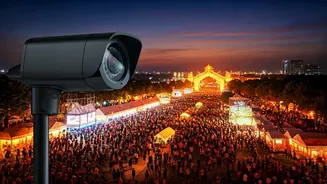
Learning from the past, the 2026 Rath Yatra is seeing a significant shift in official strategy, moving from reactive management to proactive planning. An integrated command and control centre will monitor the city through hundreds of CCTV cameras, coordinating between police, transport, and health services. Measures to reduce dangerous crowding include a ban on free food distribution along the Grand Road, which previously caused bottlenecks. The administration is also coordinating closely with servitors to ensure rituals run on schedule, as delays in chariot pulling can lead to crowd impatience and pressure. These efforts signal a move towards a more data-driven and safety-conscious approach, aiming to improve the habits of communication and management for one of India's most important spiritual events.