

The 1920s: The Radical Chop
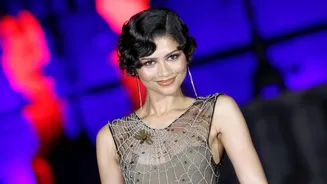
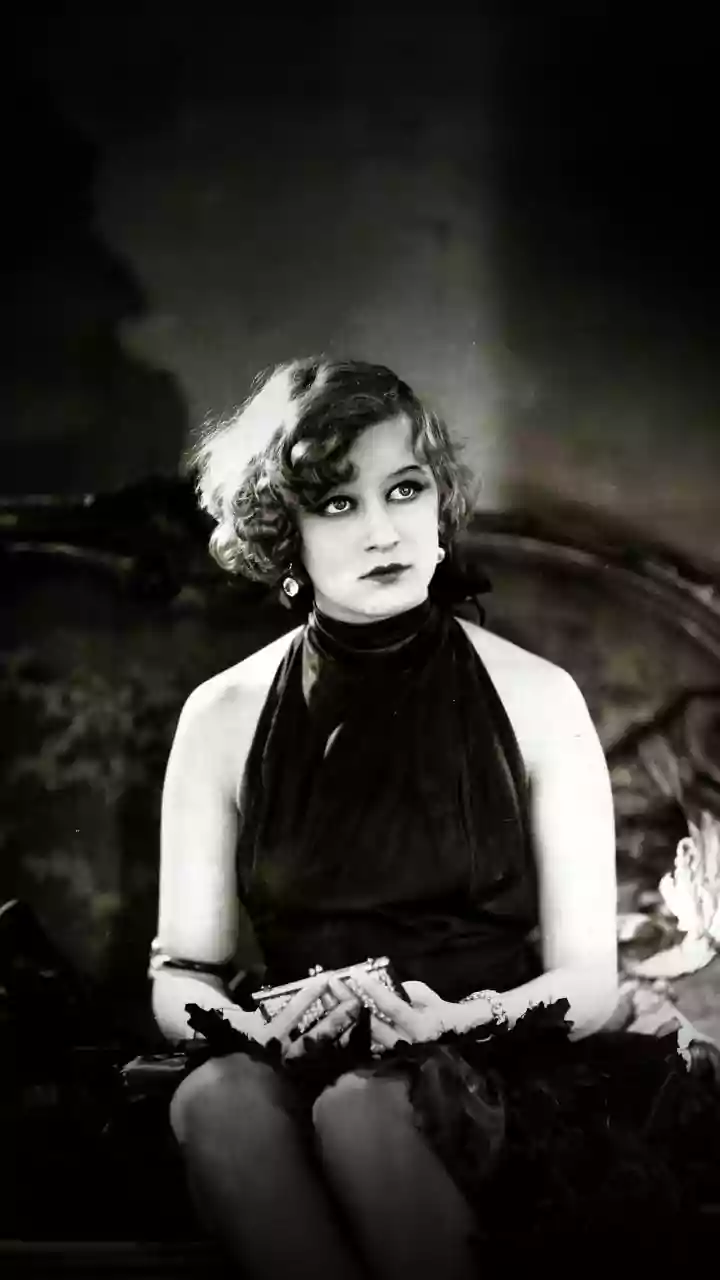
The Roaring Twenties saw a dramatic shift away from the long, upswept styles of the Victorian and Edwardian eras. The defining look was the bob, a short, sharp cut that symbolized a new era of female independence. Before the 1920s, long hair was the established
picture of femininity. Cutting it short was a liberating act, a rejection of tradition that aligned with the flapper mentality of drinking, smoking, and enjoying new social freedoms. Styles like the chin-length 'Castle bob', popularized by dancer Irene Castle, and the even shorter 'Eton crop' became iconic. These short cuts, often styled with sleek finger waves, were a bold declaration of modernity and practicality for the 'new woman'.
The 1940s: Glamour in Practicality
By the 1940s, hair had grown out, but practicality remained key, especially with women entering the workforce in large numbers during World War II. Medium-to-long hair was the norm, but it was almost always styled up and away from the face for safety and convenience. This necessity gave rise to one of the most iconic looks of the decade: Victory Rolls. These were voluminous curls of hair pinned on top of or around the head, creating a distinctive silhouette that was both glamorous and functional. The 'Middy' cut, which was shorter on top and longer in the back, provided the perfect base for creating these elaborate rolls and waves. This era mastered the art of combining Hollywood elegance with everyday utility, proving that even in trying times, style could be a powerful form of expression.
The 1950s: A Tale of Two Lengths
The post-war 1950s embraced a return to overt femininity, and hairstyles reflected this with a playful duality. Short hair was incredibly chic, defined by looks like the Audrey Hepburn-inspired 'pixie cut' and the tightly curled 'poodle cut'. The poodle cut, in particular, involved permed, short-to-medium hair that mimicked the curls of a poodle and became a symbol of high-glamour domesticity, famously worn by Lucille Ball. On the other end of the spectrum, teenage culture embraced longer hair, most famously in the form of the ponytail. Another defining feature was the short, heavy fringe known as 'Bettie bangs', popularized by pin-up model Bettie Page, which added a sultry edge to both long and short styles. This decade was all about polished perfection, whether your hair was cropped short or swishing in a ponytail.
The 1960s: The Higher, The Better
The 1960s was a decade of revolutions, and hair reached new heights—literally. Long hair was essential for creating the era's signature volume. The 'bouffant' evolved into the towering 'beehive', a conical updo that required significant teasing and hairspray to achieve its gravity-defying shape. Created in 1960 by Chicago stylist Margaret Vinci Heldt, the beehive was designed to be a new, forward-looking style for the decade. It became an emblem of kitschy glamour, seen on everyone from Audrey Hepburn to Dusty Springfield. While long hair was teased into sky-high styles, the mod movement also championed sharp, geometric cuts on shorter hair, but the defining trend was undoubtedly the voluminous updos that required length and density to construct.
The 1970s: Long, Loose, and Free
After decades of structured, sprayed, and pinned styles, the 1970s let it all hang out. Long hair made a major comeback, embodying the decade's free-spirited, bohemian ethos. The most iconic look was the 'feathered' style, made famous by Farrah Fawcett. This involved long or medium-length hair with soft, sweeping layers cut to flick outward and away from the face, creating incredible movement and volume. On the other end of the texture spectrum, the Afro became a powerful symbol of Black pride and natural beauty, celebrating voluminous, untreated hair. From the layered 'shag' to long, straight, center-parted hippie hair, the emphasis was on a more relaxed and individualistic approach, where length was celebrated as a canvas for personal expression.