






What Inspectors Are Finding Behind the Scenes
Recent surprise inspections by food safety authorities in cities like Mumbai and Bengaluru have been revealing. Officials have uncovered a pattern of recurring issues that go far beyond a dusty shelf. Common violations include expired products like milk
and meat being kept for use, raw and cooked foods stored together creating a high risk of cross-contamination, and a fundamental lack of temperature control for perishable items. In some Bengaluru eateries, inspectors seized significant quantities of rotten meat, fungus-laden vegetables, and expired dairy. These crackdowns, affecting everything from local dhabas to high-end hotels, show that a fancy dining room is no guarantee of a safe kitchen. The findings confirm what many diners fear: the most critical safety standards are often the first to lapse.
The Golden Rules of Clean Food Storage
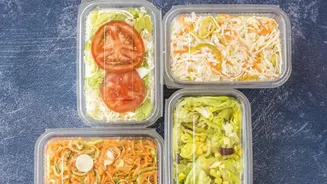
The Food Safety and Standards Authority of India (FSSAI) has clear, non-negotiable rules for how professional kitchens should handle and store food. These aren't suggestions; they are legal requirements designed to prevent foodborne illness. Key among them is the principle of proper segregation: vegetarian and non-vegetarian items, as well as raw and cooked foods, must be stored separately in clean, covered containers to prevent dangerous bacteria from spreading. Temperature is another critical factor. Hot food must be kept above 60°C and cold food below 5°C. Anything in the 'temperature danger zone' in between allows harmful microorganisms to multiply rapidly. Furthermore, all ingredients should be stored off the floor, properly labelled, and organised using a 'First-In, First-Out' (FIFO) system to ensure older stock is used before it expires.
Why It's So Hard to Get Right
While some violations stem from negligence, restaurant owners point to significant operational challenges. High staff turnover means constant training is required to maintain standards, which can be difficult to implement consistently. The pressure to keep costs low can lead to cutting corners, such as reusing cooking oil beyond safe limits or buying raw materials from cheaper, less reliable suppliers. The entire supply chain poses a risk; if a restaurant receives adulterated milk or improperly handled meat, the problem begins even before the ingredients enter the kitchen. This doesn't absolve the restaurant of responsibility, but it highlights the systemic nature of the problem. For a kitchen to be truly safe, it requires constant vigilance, investment in training, and a refusal to compromise on the quality of incoming goods.
Rebuilding Trust from the Kitchen Out
In the wake of recent inspections, the conversation around dining is shifting. According to a recent survey, a vast majority of consumers have personally witnessed hygiene lapses in restaurants, from dirty premises to unhygienic food handling. This has created a trust deficit that savvy restaurateurs are now working to repair. Some are installing open kitchens to make their processes visible, while others are proactively displaying FSSAI licences and sharing details about their staff training and sourcing practices. Transparency is becoming as important as the menu itself. For the diner, this means the power to demand better standards has never been greater. Asking questions about food sourcing or looking for displayed hygiene ratings are no longer niche concerns but essential parts of a safe dining experience.