



Why a Guided Expedition Is Essential
Venturing into the wild alone can be daunting, and you’re likely to miss the subtle cues of the forest. A guided expedition pairs you with an experienced naturalist who does more than just drive a jeep. They are trained to read the language of the jungle—the
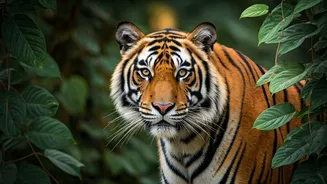
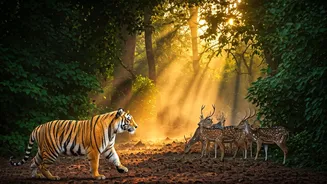
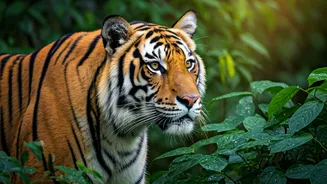
alarm call of a deer signalling a nearby predator, the fresh tracks on a dusty path, the specific fruiting tree attracting rare birds. Their expertise transforms a simple safari into a masterclass in ecology. You won't just see a tiger; you'll understand its territory. You won't just photograph a hornbill; you'll learn about its unique nesting habits. This guidance is invaluable for capturing meaningful, story-driven photographs rather than just lucky snapshots.
Prime Destinations for Peak Biodiversity
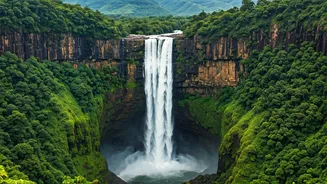
India’s national parks offer diverse ecosystems, each with its own stars. For the classic tiger shot, Ranthambore in Rajasthan and Bandhavgarh or Kanha in Madhya Pradesh offer some of the highest sighting probabilities. Their mix of rocky terrain and dense forest provides dramatic backdrops. Head east to Kaziranga in Assam for the magnificent one-horned rhinoceros, often seen grazing in vast grasslands alongside wild elephants and water buffalo. For birdwatchers, Jim Corbett National Park in Uttarakhand is a paradise, home to over 500 species of resident and migratory birds, in addition to its famed tiger population. In the south, the Western Ghats, particularly parks like Periyar in Kerala or Bandipur in Karnataka, offer a chance to spot leopards, dholes (wild dogs), and a stunning array of endemic species.
What to Expect on the Trail
Prepare for early mornings and a schedule dictated by animal activity. Most expeditions involve two safaris per day—one at dawn and another in the late afternoon, as these are the times when animals are most active. You’ll spend hours in an open-air jeep, often in silence, scanning the landscape. Patience is your greatest asset. There will be long periods of quiet waiting, punctuated by moments of pure adrenaline when a rare animal appears. Your guide will communicate with other trackers to maximize your chances, but there are no guarantees. It’s a pursuit, not a zoo visit. Embrace the process: the crisp morning air, the changing light, the sounds of the forest waking up. This immersive experience is as rewarding as the final photograph.
The Essential Photographer's Kit
Your gear can make or break the experience. A DSLR or mirrorless camera with manual controls is a must. The most critical piece of equipment is your lens. A telephoto lens (300mm or more) is non-negotiable for getting frame-filling shots of distant and often shy wildlife without disturbing them. A wider lens (like a 24-70mm) can be useful for capturing the expansive landscapes. Bring multiple, fully charged batteries and large-capacity memory cards, as you’ll be shooting hundreds of photos. A beanbag to stabilize your lens on the side of the jeep is more practical than a tripod. Finally, don’t forget non-camera essentials: binoculars for spotting, a dust cloth for your lenses, and clothing in muted, earthy tones to blend in with the environment.
Photography with a Conscience
The golden rule of wildlife photography is to cause no harm. Your presence should be a whisper, not a shout. This means absolutely no flash photography, as it can startle or even blind animals. Maintain a respectful distance and never ask your driver to get too close, especially to mothers with young. Don’t use baiting or calls to attract animals, as it disrupts their natural behaviour. Stay within the vehicle at all times unless in a designated safe zone. The goal is to be an invisible observer, documenting the life of the forest without altering it. A great photograph is a bonus; the well-being of the animal is the priority. This ethical approach is at the heart of tracking true biodiversity.