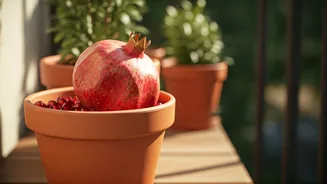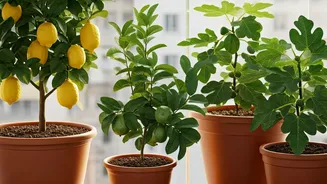




The Rise of a Fruiting Aesthetic
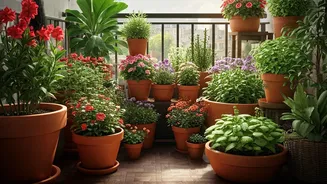
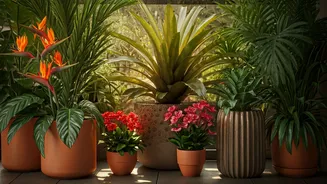
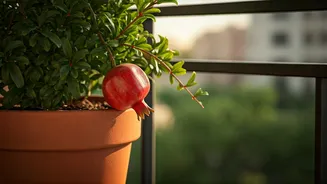
Balcony gardening in India has evolved from a simple hobby into a sophisticated design statement. The latest trend isn't just about adding greenery, but about cultivating plants that tell a story. Enter the pomegranate. With its gnarled, sculptural branches,
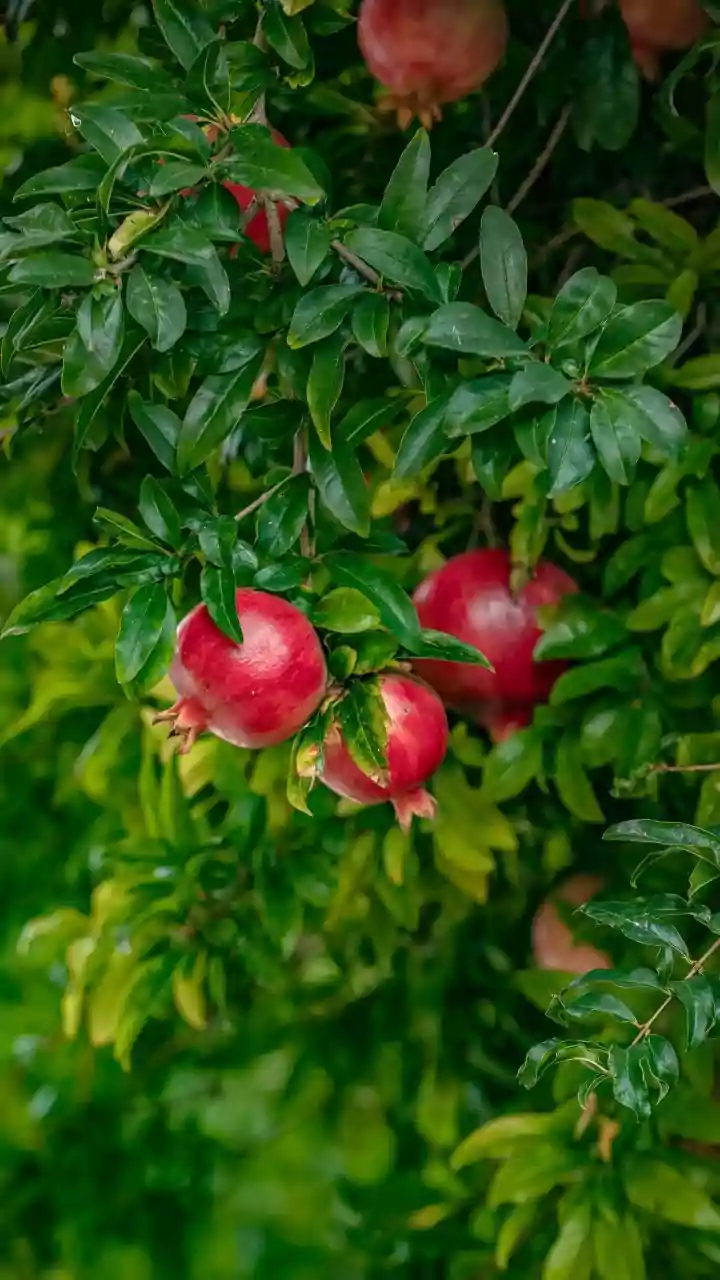
delicate leaves, and vibrant orange-red flowers, the plant is a living piece of art. It offers visual interest year-round, culminating in the iconic, jewel-toned fruit. This shift towards productive and beautiful plants reflects a desire for our small urban spaces to be more than just ornamental; we want them to be functional, sustainable, and deeply personal. The pomegranate, with its promise of a homegrown harvest, fits this new ethos perfectly.
A Symbol of Prosperity and Health
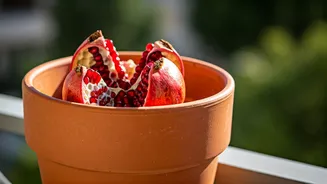
The appeal of the pomegranate runs deeper than its appearance. In Indian culture, the fruit is a potent symbol of fertility, abundance, and prosperity. It's mentioned in ancient scriptures like the Rigveda and is often associated with deities such as Ganesha and Lakshmi, making it a spiritually significant choice for the home. Furthermore, Ayurveda has long celebrated the pomegranate for its medicinal properties, valuing it for being rich in antioxidants and vitamins. Bringing a pomegranate plant onto your balcony is about more than just gardening; it's about embracing a symbol of well-being and good fortune that is deeply rooted in Indian heritage.
Choosing the Right Pomegranate Plant
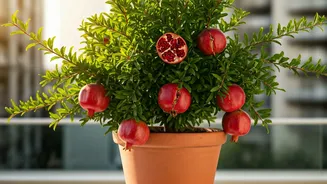
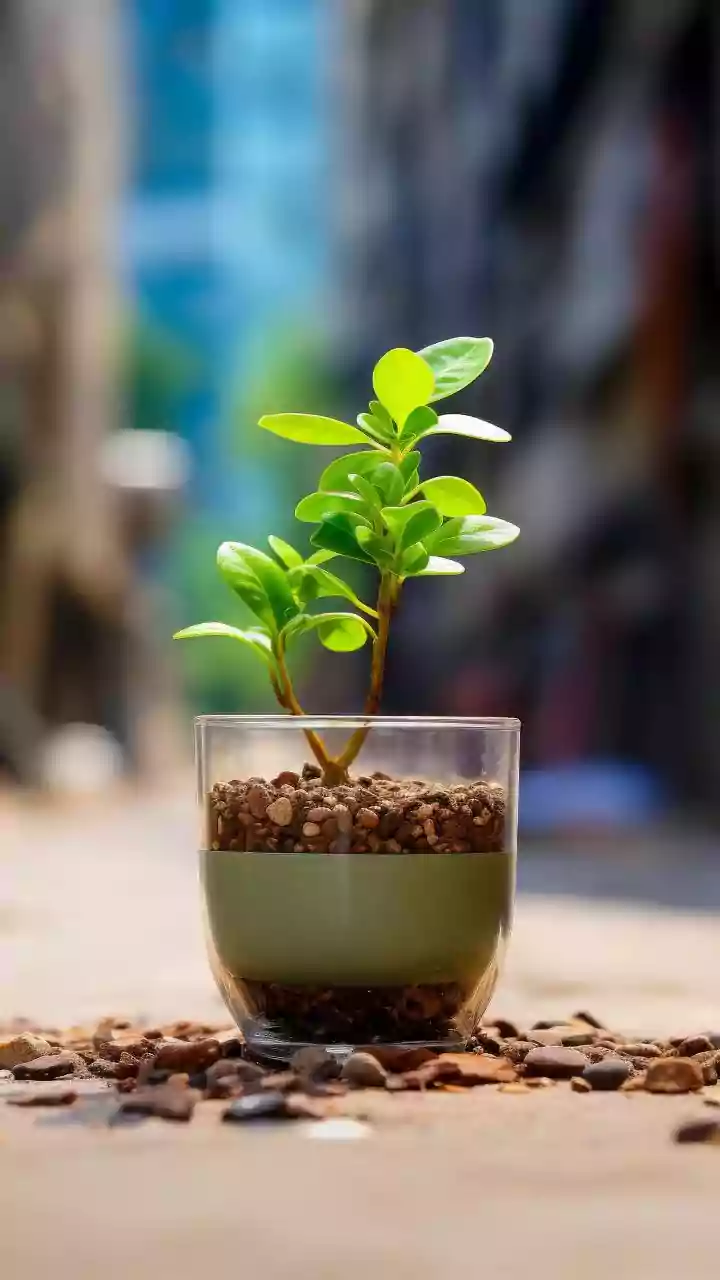
To successfully grow a pomegranate on a balcony, the most crucial step is selecting the right variety. Standard pomegranate trees can grow quite large, but there are dwarf varieties perfect for container living. Look for a cultivar named 'Punica granatum Nana'. This compact variety typically grows to a manageable height of only two to four feet and is well-suited for pots. It's often sold as a healthy sapling at local nurseries, which is a better option than starting from seed as it will mature and produce fruit much faster. A grafted plant is another excellent choice that ensures quicker fruiting.
Your Guide to Potting and Soil
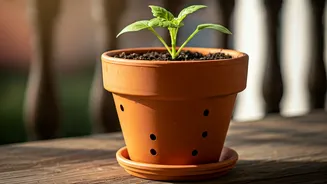
Pomegranate trees need space for their roots, so choose a large pot, ideally 18-24 inches in diameter and depth, with plenty of drainage holes to prevent waterlogging. Proper soil is just as important. These trees thrive in a well-draining, nutrient-rich mix. You can create your own by combining garden soil, compost or vermicompost, and a material like cocopeat or perlite to keep it loose and airy. Some gardeners also add neem cake to the mix, which helps keep the soil healthy and deters pests. A layer of dried leaves at the bottom of the pot can also improve drainage and soil structure.
Sun, Water, and Ongoing Care
Pomegranates are sun-loving plants. For your tree to flower and produce fruit, it needs at least six to eight hours of direct sunlight every day. A south-facing balcony is often the perfect spot. While the plants are relatively drought-tolerant once established, they need consistent moisture, especially during the hot summer and when they are flowering. A good rule of thumb is to water whenever the top inch of soil feels dry to the touch. During the growing season from spring to fall, feed your plant every four to six weeks with a balanced fertiliser to support its growth.
Pruning for Health and Harvest
Pruning is essential to keep your balcony pomegranate healthy, well-shaped, and productive. The best time to prune is in late winter or early spring, just before new growth begins. Trim away any dead, weak, or crossing branches to improve air circulation. This encourages the plant to put its energy into developing strong branches that can support flowers and fruit. Keeping the tree compact not only makes it suitable for a small space but also stimulates the growth that will lead to a beautiful and rewarding harvest.