


A Dance in the Darkness
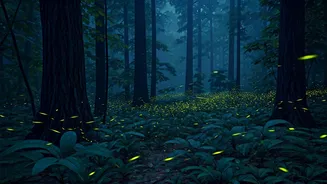
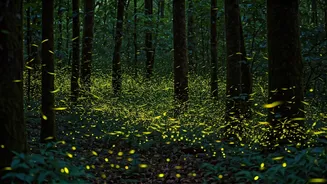
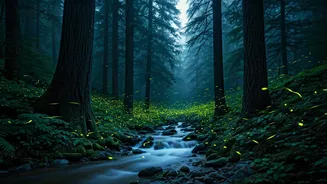
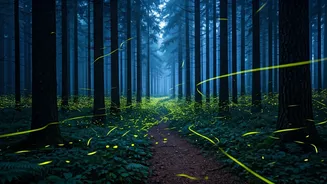
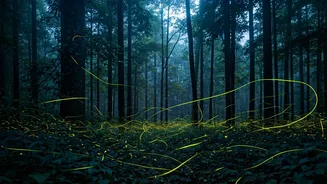
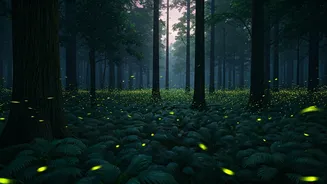
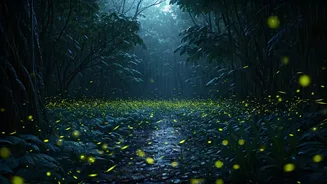
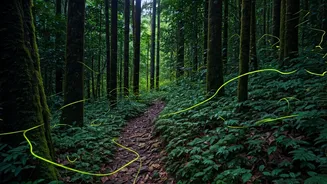
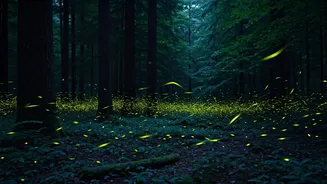
It begins with a single, tentative spark. Then another, and another, until the darkness is filled with hundreds of tiny, floating lanterns. This is the world of the firefly, or 'jugnoo' as it’s fondly known across India. For a few precious weeks during
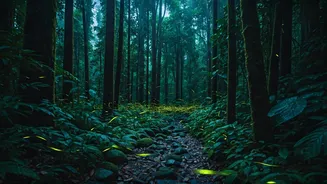
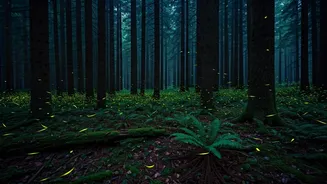
the pre-monsoon and monsoon season, these insects transform damp, dark nights into a mesmerising spectacle. They pulse in unison over paddy fields, drift through dense forests, and even visit urban balconies, creating a sense of wonder that quiets the mind and captivates the soul. This isn't just random twinkling; it's a carefully choreographed performance, a fleeting drama of life and love played out in a language of light.
The Science Behind the Sparkle
What we witness as pure magic is, in fact, a fascinating biological process called bioluminescence. Fireflies produce light through a chemical reaction inside their bodies. An enzyme called luciferase acts on a compound called luciferin, and the resulting energy is released almost entirely as light, not heat—making it a 'cold light'. This is nature’s most efficient lightbulb. But this light isn’t for our entertainment; it's a sophisticated communication system. Each species has a unique flashing pattern—a sort of Morse code for romance. Males fly around flashing their signals, advertising their availability and species. The females, often stationary on leaves or twigs, watch and wait. If a female is impressed, she flashes back, inviting the male to her location. It's an intricate dialogue of desire, written in fleeting sparks.
Why Monsoon is the Magic Season
The connection between fireflies and the monsoon is no coincidence. Fireflies thrive in warm, humid environments. Their life cycle is perfectly synchronised with the rains. The larvae, which are also often bioluminescent and are known as 'glow worms', live in moist soil and leaf litter for up to a year, feeding on snails and slugs. The arrival of the first showers signals that it's time to emerge as winged adults. With the landscape now lush and damp, conditions are perfect for their primary mission: to find a mate and lay eggs for the next generation. The adult firefly's life is tragically short, lasting only a few weeks. This adds a layer of poignant beauty to their nightly display—it’s a grand, urgent finale to their existence.
A Fading Glow in the Modern World
For generations, the arrival of the jugnoo has been a cherished part of Indian culture, inspiring poets, lyricists, and countless childhood memories of chasing lights in a jar. Unfortunately, this magical spectacle is becoming rarer. The fireflies' silent conversation is being drowned out by our noisy, brightly lit world. Artificial light from street lamps, buildings, and vehicles confuses their mating signals, creating 'light pollution' that can prevent them from finding partners. Furthermore, habitat loss due to urbanisation and the destruction of forests and wetlands robs them of their homes. The use of chemical pesticides in agriculture also has a devastating impact, killing off larvae and the invertebrates they feed on. The lights that once filled our nights are slowly dimming.
How We Can Keep the Lights On
The good news is that it's not too late. Protecting firefly populations is something we can all contribute to. In rural areas, preserving patches of native forest, ponds, and streams provides vital habitats. In cities, even a small garden with native plants and minimal pesticide use can become a sanctuary. A crucial step is to be mindful of light pollution. Using 'warm' coloured outdoor lights, installing motion sensors, and simply turning off unnecessary lights during the monsoon season can make a huge difference. In places like Purushwadi in Maharashtra, responsible eco-tourism during its famous Firefly Festival has shown that appreciating these creatures can also provide livelihoods and incentivise their conservation. It teaches us that sometimes, the best way to help is to simply step back, switch off the lights, and let nature put on its show.