


Get the Scale Right
The most common mistake when choosing large artwork is getting the scale wrong. A piece that is too small for a large wall can feel lost and insignificant, while an oversized piece can overwhelm a room and make it feel cramped. A trusted guideline among
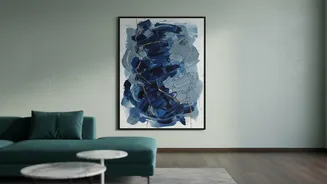
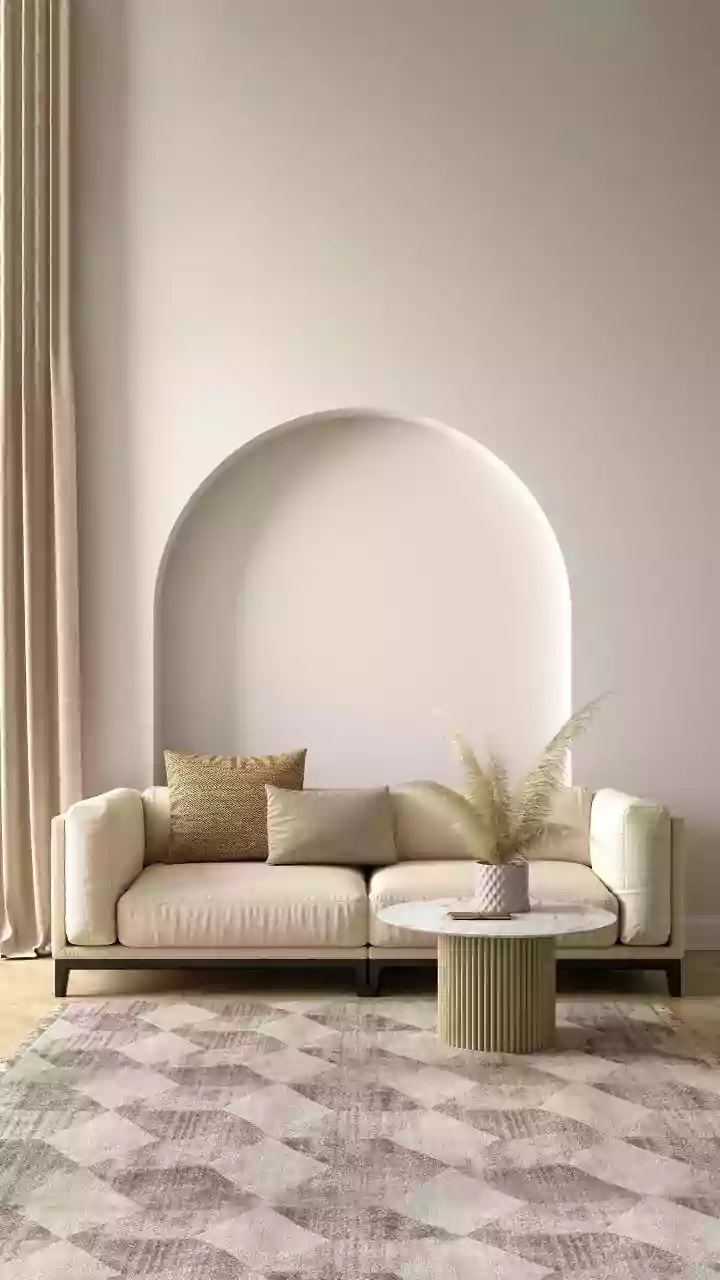
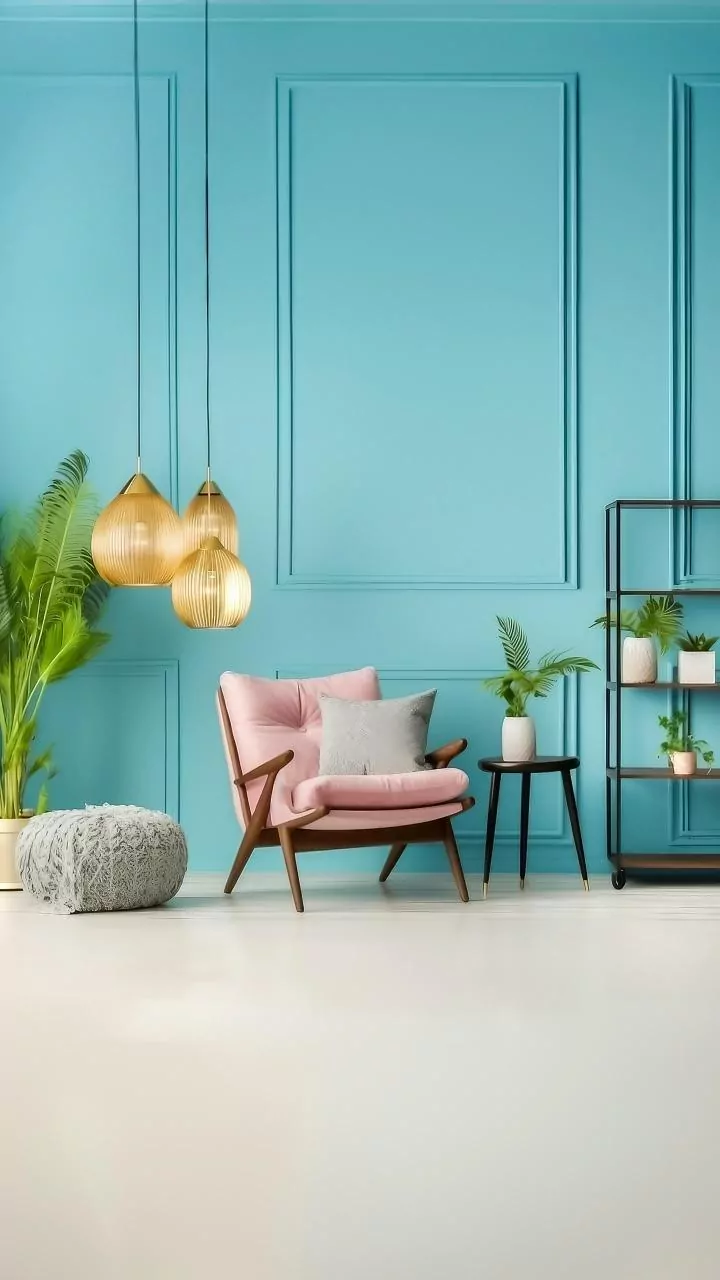
interior designers is the two-thirds or 60-75% rule. When hanging art above furniture like a sofa, bed, or console, aim for a piece that is roughly two-thirds to three-quarters the width of the furniture. This anchors the art to the furniture, creating a cohesive and balanced look. For a large, empty wall, don't be afraid to go big. A commanding piece can give the room a focal point and a sense of grandeur, preventing it from feeling empty or unfinished.
Harmonize the Colour Palette
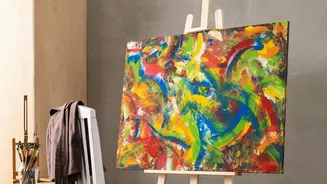
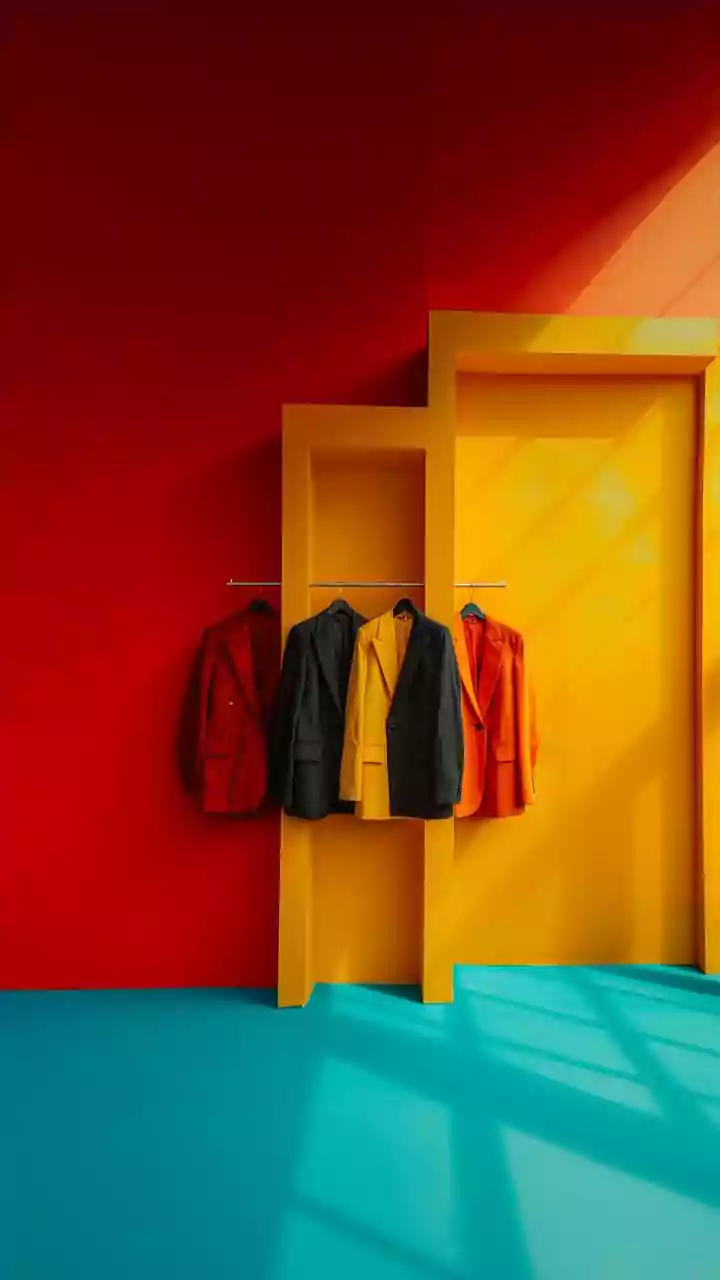
A statement piece doesn't have to match your decor perfectly. In fact, art that coordinates rather than matches often creates a more sophisticated look. Use your room's existing colour scheme as a starting point. You can either choose art that pulls from the neutral tones of your walls and furniture to add texture and depth, or select a piece that introduces a bold new accent colour. This new hue can then be subtly repeated in smaller decor items like cushions or throws to tie the room together. A black-and-white photograph can bring balance to a colourful room, while a vibrant abstract can add energy to a neutral space.
Match the Room's Mood
Before you even think about style, consider the feeling you want to create in the room. Is the space meant to be calm and serene, or social and energetic? For a tranquil bedroom, you might lean towards muted landscapes, soft abstracts, or delicate drawings. In a lively living room, expressive brushwork or bold photographic prints can inject a sense of vitality. The architectural style of your home also plays a role. A sleek, minimalist piece might feel out of place in a traditional home with ornate mouldings, just as a classical oil painting could clash with a modern, industrial loft. The goal is to select art that complements the existing mood and style, enhancing the room's intended function.
Prioritize a Personal Connection
Trends in interior design come and go, but your connection to a piece of art is what gives it lasting value. More important than what’s currently fashionable is choosing a piece that genuinely speaks to you. Art is a form of expression that allows you to infuse your personality into your home. It could be a landscape that reminds you of a favourite trip, an abstract that makes you feel a certain emotion, or a piece by an artist whose story you admire. While a trendy piece might look great for a season, artwork that you love will become an emotional centerpiece of your home, telling your story for years to come.
Consider Placement and Lighting
Finally, think about the practicalities of where the art will live. The placement of your art is crucial to its impact. Consider the primary sightlines in the room—where will the art be most appreciated? In addition to choosing the right wall, think about its relationship to the surrounding furniture and decor. Proper lighting can also dramatically enhance a piece of art. If possible, use spotlights or track lighting to highlight your statement piece. Even the direction of natural light can affect how the colours and textures appear throughout the day. A piece of art should feel like an intentional and integrated part of the room's design, not an afterthought.