








Why the Old Rules No Longer Apply
Spontaneity used to be a hallmark of monsoon travel, but climate change is altering the behaviour of the Indian monsoon. What were once predictable showers are now often erratic, intense bursts of rain that can trigger flash floods, landslides, and widespread
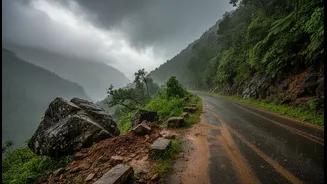
disruption with little warning. Recent years have seen a surge in such events, impacting popular tourist destinations from the Himalayan states of Himachal Pradesh and Uttarakhand to coastal gems like Kerala and Goa. In early July 2026, heavy rains have triggered deadly landslides in Kerala's Wayanad district and caused major disruptions in Maharashtra, Gujarat, and other states. These incidents highlight a new reality: infrastructure, from highways to local roads, is vulnerable, and what was a safe route yesterday might be impassable today. This doesn't mean you should cancel your plans, but it does mean you must plan differently.
Mastering the Forecast Intelligently
A cursory glance at a seven-day weather app is no longer enough. For safe monsoon travel, you need to engage with forecasts on a deeper level. Start with the source: the India Meteorological Department (IMD) is the official agency providing detailed district-level warnings. Look for their colour-coded alerts (yellow, orange, red) which signal the potential severity of weather events. A red alert, for instance, indicates a risk of extremely heavy rainfall that could disrupt transport and pose a threat to life. Beyond rainfall, check for warnings about high winds, especially in coastal areas, and thunderstorm activity. Several apps and websites now provide real-time updates on lightning and storm movements. Before heading to mountain regions, specifically look for landslide warnings issued by state disaster management authorities, which often identify vulnerable road corridors.
The Art of the Travel Buffer
The single most important shift in monsoon travel planning is building buffers into your itinerary. A packed, point-to-point schedule is a recipe for stress and potential danger. A buffer isn't just extra time; it's a multi-layered safety net. First, build in extra days. If a journey is estimated to take six hours, assume it could take the entire day or even require an overnight halt. Don't plan a tight flight connection after a long road trip through a hilly or flood-prone region. Second, build in financial and logistical flexibility. Opt for refundable hotel bookings and flights where possible. Carry extra cash, as ATM access can be unreliable in remote areas during disruptions. Third, have a backup plan. For every destination, research an alternative in a different micro-climate or a more accessible region. If your primary goal is a remote trek in Uttarakhand, have a plan B involving a stay in a lower-altitude town like Rishikesh or Mukteshwar.
Harnessing Real-Time Local Updates
National forecasts provide the big picture, but the most critical information is often hyper-local. Road closures, flash floods, or landslides may not make national news immediately. This is where local intelligence becomes vital. Before you travel, and each morning before you set out, connect with your hotel owner, a local travel agent, or your driver. They have on-the-ground knowledge of road conditions that no app can provide. Follow the social media pages of the local district police and administration; they often post real-time updates on road blockages and diversions. For example, authorities in Kodagu district recently banned public entry to a popular tourist spot, Raja's Seat, to manage traffic after a landslide, an update shared through local channels. In trekking regions, respect trailhead closures and rules set by the Forest Department, as many popular trails in Maharashtra, Goa, and the Himalayas are now legally restricted during peak monsoon for safety reasons.
Your Updated Monsoon Packing List
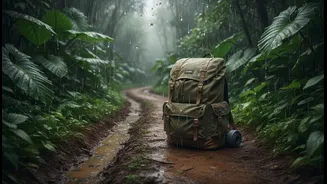
Your bag needs to be prepared for more than just getting wet. Prioritise quick-dry clothing over cotton. Pack sturdy footwear with excellent grip to navigate slippery paths and platforms. Electronics are vulnerable; use waterproof bags or dry sacks for your phone, camera, and documents. Given the potential for road blockages and power cuts, a fully charged power bank is non-negotiable. A basic first-aid kit with antiseptic, bandages, and medication for stomach issues is essential. Also include any personal medications you need, with enough supply to cover potential delays of several days. Finally, carry some non-perishable snacks and a reusable water bottle. Getting stuck in a traffic jam for hours is far more bearable with food and water on hand.