




The High Cost of Going Green
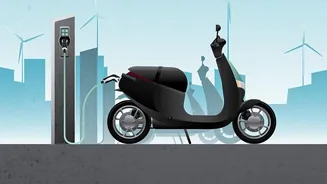
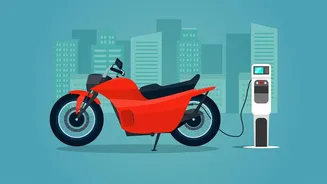
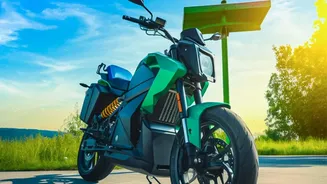
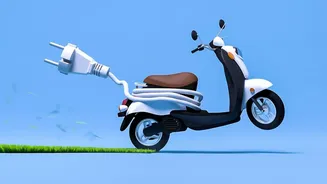
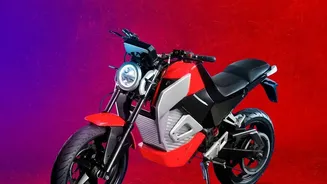
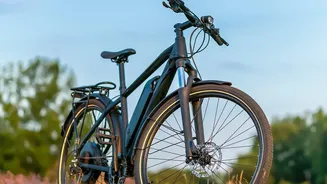
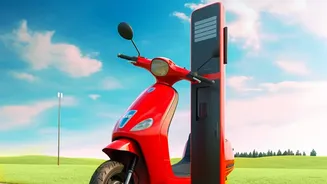
The push for electric mobility in India is stronger than ever, driven by rising fuel prices, government incentives like the FAME II scheme, and a growing desire for cleaner urban transport. E-bikes are at the forefront of this shift, offering an affordable
and practical solution for daily commutes. However, the heart of every e-bike—its battery—is also its most expensive component, often accounting for 30-40% of the total cost. Currently, the market is dominated by lithium-ion batteries, which rely on mined minerals like lithium, cobalt, and nickel. The reliance on these materials, which are often imported, not only inflates costs but also raises environmental and ethical concerns about mining and resource depletion. This dependency creates a significant bottleneck, slowing down the goal of making e-bikes accessible to everyone.
Nature's Unexpected Power Source
In laboratories around the world, scientists are finding a powerful solution in organic materials. The focus is on biopolymers, which are abundant, renewable, and significantly cheaper than traditional battery metals. Two leading candidates are lignin and cellulose. Lignin is a complex polymer that gives plants their rigidity and is a massive byproduct of the paper and pulp industry, often treated as waste. Cellulose is the most abundant organic polymer on Earth, forming the primary structure of all plant cells. Researchers have discovered that these materials can be processed into high-performance components for batteries, offering a pathway to a truly sustainable energy cycle.
How a Plant Becomes a Battery
The concept isn't as far-fetched as it sounds. In a typical lithium-ion battery, the anode is made of graphite. Scientists have successfully carbonized lignin—heating it in a low-oxygen environment—to create a material called 'hard carbon'. This lignin-derived hard carbon can function as a highly effective anode, with research showing performance comparable to conventional graphite but at a fraction of the cost. Similarly, cellulose fibers, extracted from organic waste like banana peels, can be combined with activated carbon to create flexible, biodegradable electrodes. These plant-based components can be integrated into battery cells that use existing electrolytes, creating a hybrid system that is cheaper and far more sustainable without needing a complete overhaul of battery design.
The Sustainability and Cost Advantage
The benefits of this approach are twofold. Environmentally, using plant matter drastically reduces the need for destructive mining. Lignin, for example, is an industrial waste product, so upcycling it into valuable battery components creates a circular economy. These materials are also biodegradable, mitigating the growing problem of electronic waste. Economically, the advantage is even more compelling. Lignin is incredibly cheap compared to the highly processed graphite it aims to replace. By sourcing raw materials from agricultural or industrial waste, manufacturers can significantly slash production costs. For India, this could mean less reliance on imported minerals and a boost for domestic manufacturing under initiatives like 'Make in India'.
Challenges on the Road to Commercialisation
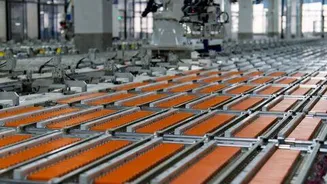
Despite the immense promise, plant-based batteries are still an emerging technology facing several hurdles. Key challenges include matching the energy density and long-term cycle life of state-of-the-art lithium-ion batteries. While lab results are promising, scaling up production from small batches to commercial volumes requires significant investment and refinement of manufacturing processes. Companies are working on this, with some pilot production facilities already in operation, but widespread availability is still some years away. Researchers are focused on improving the electrochemical durability and conductivity of these bio-materials to ensure they can withstand the rigours of daily use in an e-bike before they can fully compete with traditional options.