



Garam Masala: The Aromatic Finisher
Perhaps the most famous Indian spice blend, Garam Masala is a staple in many North Indian kitchens. The name translates to 'warm spice', but this doesn't refer to chilli heat. Instead, it points to the Ayurvedic concept of warming the body. This blend is typically
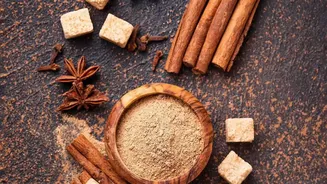
made from a combination of 'warm' spices like cinnamon, cloves, cardamom, black pepper, and cumin. Unlike spice powders added at the beginning of cooking, Garam Masala is a finishing spice. It's usually sprinkled into a dish like a dal or curry during the last few minutes of cooking. This preserves its volatile aromatic compounds, which would be destroyed by prolonged heat, ensuring the dish is finished with a fragrant, complex aroma rather than a bitter taste. Think of it not as the main flavour, but as the final, beautiful scent that ties everything together.
Panch Phoron: The Five-Seed Temper
Hailing from Eastern India, particularly Bengal, Bihar, and Odisha, Panch Phoron means 'five spices' or 'five tempers'. What makes it unique is that it is a blend of whole seeds, not a ground powder. It traditionally consists of five seeds in equal parts: cumin, fennel, mustard, fenugreek, and nigella seeds. Its primary use is in 'tadka' or tempering, where the seeds are bloomed in hot oil or ghee at the beginning of the cooking process. As they sizzle and pop, they release their distinct aromas and infuse the oil with flavour. This spiced oil then becomes the base for everything from lentil dals and vegetable dishes to fish curries and pickles. The combination of earthy cumin, sweet fennel, pungent mustard, slightly bitter fenugreek, and nutty nigella creates a complex flavour and a delightful texture.
Sambar Powder: The Heart of the South
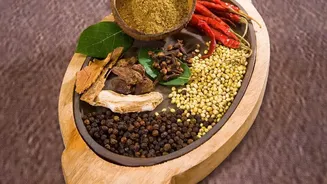
No South Indian kitchen is complete without a container of Sambar Powder. This is the foundational spice mix for making sambar, the iconic lentil and vegetable stew that is a cornerstone of the region's cuisine. While recipes vary, the blend's signature profile comes from roasting and grinding coriander seeds, red chillies, and, uniquely, lentils like toor dal and chana dal. These lentils act as a thickener and give the powder a deep, earthy body. Other mainstays include fenugreek seeds for a hint of balancing bitterness, black pepper for warmth, and curry leaves for their unmistakable fresh aroma. To use it, the powder is typically added to cooked lentils and tamarind water, creating the rich, tangy, and aromatic broth that makes sambar so comforting and beloved.
Chaat Masala: The Tangy, Funky Finisher
If you've ever enjoyed Indian street food, or 'chaat', you've tasted the magic of Chaat Masala. This is another finishing spice, but its profile is completely different from Garam Masala. Its dominant flavours are tangy and savoury with a distinctive 'funky' or sulphurous note. This comes from its two star ingredients: amchur (dried green mango powder) for sourness, and kala namak (black salt) for that savoury, slightly eggy aroma. These are supported by other spices like roasted cumin, coriander, and black pepper. Chaat Masala is never cooked; its power lies in being sprinkled over finished dishes. It's the essential seasoning for snacks like bhel puri and samosas, but its use doesn't stop there. A pinch can liven up a simple fruit salad, a bowl of yogurt, or even a glass of lemonade.
Bottle Masala: An Heirloom Treasure
A lesser-known but fascinating blend is the Bottle Masala of Mumbai's East Indian community. This is a complex, all-purpose masala with recipes that are closely guarded family secrets, passed down through generations. Some blends can contain a staggering number of ingredients, from 20 to over 50, including various types of red chillies, whole spices, grains, and even unique local ingredients like stone flower. Traditionally, the spices were sun-dried for days during the hot summer months before being pounded by hand. The resulting mixture was then packed tightly into dark-coloured beer or alcohol bottles to protect it from sunlight, which is how it earned its name. This single masala is used to flavour almost everything, from vegetable curries and lentil dishes to fish fries and meat preparations, making it a true workhorse of the community's cuisine.