






The Foundation of Success: Pot and Drainage
Success in container gardening, especially with chillies, begins and ends with the pot. While it’s easy to focus on sunlight and water, the container itself sets the stage for everything else. The single most important feature is drainage. Chilli plants
absolutely despise having 'wet feet', meaning their roots cannot tolerate sitting in waterlogged soil. Without adequate drainage holes, water accumulates at the bottom, starving the roots of oxygen and quickly leading to root rot, one of the fastest ways to kill a healthy plant. A decorative pot with no holes might look good, but it's a death sentence for a chilli. Proper drainage ensures that excess water can escape, allowing the soil to remain moist but not saturated, creating the perfect environment for a robust root system.
How to Choose the Perfect Pot
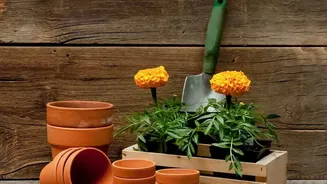
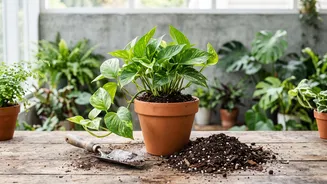
When selecting a pot, size is your next consideration. While Thai chilli plants are relatively compact above ground, they develop an extensive root system below. For a single plant, aim for a container that is at least 5 gallons (around 10-12 inches or 25-30 cm in diameter). This size provides ample room for roots to grow, which directly supports a stronger plant and a more abundant harvest. Using a smaller pot will restrict root growth and noticeably reduce your yield. As for material, both plastic and terracotta have their merits. Plastic pots are lightweight and retain moisture well, while porous terracotta allows for better airflow to the roots. Regardless of the material, ensure it has multiple drainage holes at the bottom. If you're using a bucket, drilling 5-8 holes yourself is a great solution.
Creating the Ideal Soil Mix
Once you have the right pot, filling it with the right soil is the next step. Never use plain garden soil on its own for container plants. It compacts easily, drains poorly, and can introduce pests and diseases. Instead, you need a well-draining potting mix. A quality commercial potting mix designed for vegetables is a great start. To further improve it, create a blend that is light and airy. A popular and effective recipe is mixing two parts potting compost with one part perlite or coarse sand. Perlite is a lightweight volcanic glass that helps create air pockets in the soil, dramatically improving drainage and preventing compaction. This ensures that even when you water thoroughly, the roots have access to the oxygen they need to thrive.
Sunlight, Water, and Essential Care
Thai chillies are sun-lovers, requiring at least six to eight hours of direct sunlight each day to produce a good crop. Place your pot in the sunniest spot you have, whether on a balcony, patio, or a south-facing windowsill. Watering is a balancing act. The goal is to keep the soil consistently moist but never waterlogged. A good rule of thumb is to water deeply whenever the top inch of soil feels dry to the touch. In the heat of summer, potted plants can dry out quickly, so you may need to water them daily. Inconsistent watering, especially big swings between bone dry and soaking wet, can stress the plant and cause it to drop its flowers before they turn into fruit.
Feeding Your Plant for a Big Harvest
Container plants require more frequent feeding than those in the ground because nutrients are washed out with each watering. Start feeding your chilli plant with a balanced, all-purpose fertiliser. Once the plant begins to flower, it’s beneficial to switch to a fertiliser that is higher in potassium and lower in nitrogen. Nitrogen encourages leafy growth, while potassium promotes flowering and fruit development. Over-fertilising with nitrogen when the plant is trying to produce fruit can lead to a lush, green plant with very few chillies. Following the instructions on your chosen plant food will provide the energy your plant needs for a spicy and plentiful harvest.
Avoiding Common Pests and Problems
Growing in pots helps you control the environment, but you should still watch for common pests like aphids and spider mites, which love to hide on the underside of leaves. Check your plant regularly, and if you spot any pests, they can often be managed with a simple spray of insecticidal soap or neem oil. The most common problem, however, remains overwatering due to poor drainage. Drooping or yellowing leaves can be a sign of both under- and overwatering, so always check the soil moisture before adding more water. By starting with the right pot and a well-draining soil mix, you’ve already prevented the most frequent cause of failure for container-grown chillies.