




The Shift Away from Dairy
One of the primary drivers of this trend is a growing conversation around wellness and diet. For an increasing number of young professionals in cities like Mumbai, Bengaluru, and Delhi, the move away from milk is a conscious health choice. With rising
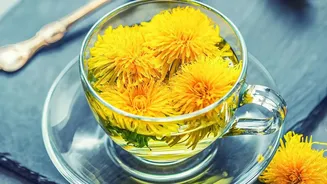
awareness around lactose intolerance and a general shift towards 'clean eating', many are seeking alternatives to traditional dairy-based beverages. The plant-based movement has gained significant traction, and while it started with alternatives like oat and almond milk, it has now expanded into the realm of traditional hot beverages. These herbal infusions, often called tisanes, are naturally caffeine-free and milk-free, fitting perfectly into a modern wellness-focused lifestyle that prioritizes digestive health and avoids common allergens and stimulants.
A Taste of Authenticity
Beyond health, this trend is deeply connected to a desire for authenticity and connection. In a market saturated with mass-produced products, urban millennials and Gen Z consumers are increasingly drawn to items with a clear origin story. Artisanal brands are sourcing unique ingredients directly from farming communities in Himalayan states like Uttarakhand and Assam. These are not the familiar masala chai spices, but rather a palette of whole-dried, high-altitude botanicals like wild rhododendron, Himalayan nettle, butterfly pea flower, and moringa. This 'farm-to-cup' narrative appeals to a generation that values transparency and craftsmanship. Knowing that their drink supports small farmers and preserves traditional harvesting practices adds a layer of meaning to the daily ritual of having a cup of tea.
The Functional Beverage Boom
Today’s consumers expect their drinks to do more than just taste good; they want them to serve a purpose. Herbal infusions are at the forefront of this 'functional beverage' trend. Brands are creating specific blends marketed for benefits like stress relief, improved digestion, better sleep, or an immunity boost. Many of these ingredients, such as tulsi, ashwagandha, and brahmi, are adaptogens that are deeply rooted in Ayurvedic traditions, making them both familiar and credible to Indian consumers. Unlike over-steeped green tea which can be bitter, these tisanes offer complex, nuanced flavours without the need for milk or sugar to balance them out, making for a sophisticated and enjoyable experience. It’s a modern take on ancient wellness wisdom, packaged for a new generation.
An Experience Worth Sharing
This trend is also visual. The vibrant colours of these infusions — the deep blue of butterfly pea flower tea that turns violet with a squeeze of lemon, or the ruby red of hibiscus — are made for social media. In an age where experiences are often shared online, an aesthetically pleasing and unique-looking beverage holds significant appeal. It's part of a broader 'home-cafe' culture, where young people take pride in crafting and presenting beautiful food and drinks. This simple cup of herbal infusion is more than just a drink; it's a small act of self-care, a connection to a story, and a reflection of a conscious, modern lifestyle. It represents a shift in values, where wellness, authenticity, and mindful consumption are the new luxuries.