




Why the Monsoon is a Photographer's Dream
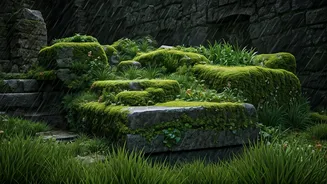
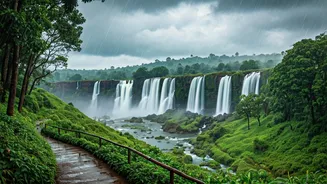
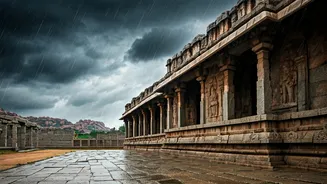
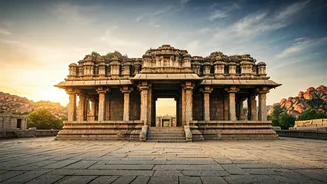
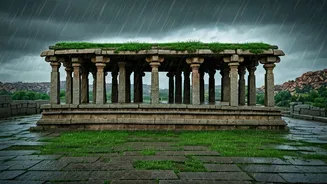
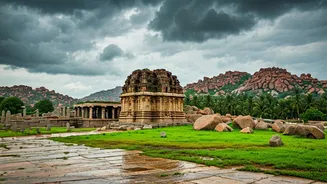
While most tourists flock to Hampi during the dry winter months, the monsoon season (July to September) unlocks a completely different kind of magic. The dusty, ochre landscape transforms into a lush paradise. The rains wash the centuries-old stone carvings,
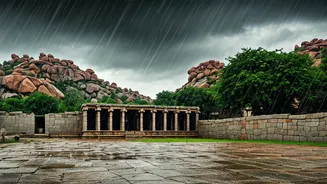
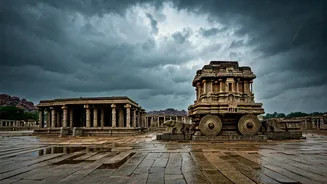
making their textures and colours pop with vivid intensity. Moody, dramatic skies replace the flat blue, creating magnificent backdrops for the iconic temples and monuments. The crowds thin out, giving you a more intimate and personal experience with the UNESCO World Heritage site, allowing for uninterrupted shots and quiet moments of reflection. The entire atmosphere becomes mystical, with mist clinging to the boulder-strewn hills and the sound of rain adding a soothing soundtrack to your exploration.
Essential Gear for a Rainy Photoshoot
Shooting in the rain requires some preparation. Your primary concern should be protecting your gear. A weather-sealed camera is ideal, but a good quality rain cover or even a simple waterproof bag can do the trick. Bring extra lens cloths to wipe away stray raindrops. A sturdy tripod is highly recommended; the low and diffused light of a cloudy day often requires longer shutter speeds, and a tripod will ensure your images remain sharp. Pack a reliable power bank, as electricity can be intermittent during heavy rains. Lastly, wear quick-drying clothes and comfortable, sturdy walking shoes with a good grip, as the ancient stone paths can become slippery when wet.
Capture Reflections on Hemakuta Hill
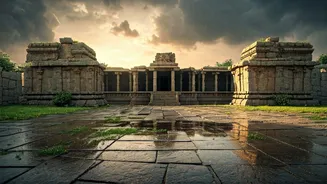
Hemakuta Hill, dotted with pre-Vijayanagara era temples and shrines, is a fantastic spot during the monsoon. After a downpour, small puddles and pools of water form in the natural depressions of the rocky terrain. These create perfect, mirror-like surfaces to capture stunning reflections of the temple gopurams and the dramatic, cloud-filled sky. Frame your shot with the majestic Virupaksha Temple in the background for a breathtaking composition that blends the earthly and the divine. The soft, even light of the overcast sky is perfect for this kind of photography, reducing harsh shadows and highlighting the serene beauty of the scene.
Frame the Iconic Stone Chariot at Vittala Temple
The Stone Chariot at the Vittala Temple is Hampi’s most recognisable icon. During the monsoon, the wet stone of the chariot glistens, making its intricate carvings stand out even more. The cloudy skies provide a soft, diffused light that is perfect for capturing the details without the harsh contrasts of direct sunlight. While tripods may not be permitted inside some protected monuments, you can use the low light to your advantage. Try to capture the sound of the rain hitting the stone structures, which adds a unique rhythm to your visit. Look for unique angles, perhaps focusing on the way water trickles down the wheels or the dramatic contrast between the dark, wet stone and the vibrant green surroundings.
Embrace the Mist at Matanga Hill
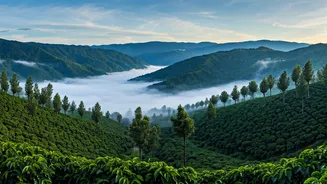
For the most epic panoramic views, a trek up Matanga Hill is a must. During the monsoon, the early mornings often see the landscape shrouded in a mystical layer of mist. Climbing before sunrise rewards you with a view of the ruins and the Tungabhadra river emerging from the clouds as the sun rises. This creates a fantasy-like atmosphere that is incredibly photogenic. The trek can be slippery, so be cautious and wear appropriate footwear. The view from the top, capturing the entire expanse of the rain-washed kingdom, is an image that will define your Hampi collection.
Play with Light and Shadow at Virupaksha Temple
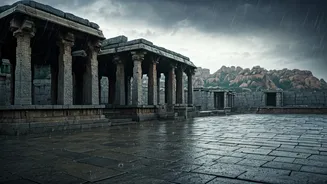
As one of India's oldest functioning temples, Virupaksha Temple has a palpable spiritual energy that is only enhanced by the rain. The inner courtyards, with their intricately carved pillars, offer fantastic opportunities for playing with light and shadow. The dark, wet stone columns contrast beautifully with the light filtering in from the open sky. Look for moments like a priest walking through a corridor or the temple elephant getting its bath. Small details, like water droplets on a carved deity or reflections in the temple tank, can make for powerful and evocative images that tell a deeper story.