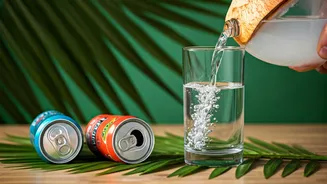









What is Functional Hydration?
At its core, functional hydration is the idea of drinking fluids that do more than just quench thirst. These are beverages enhanced with added ingredients like electrolytes, vitamins, minerals, and sometimes even adaptogens or botanicals. The goal is to provide
targeted health benefits—such as improved focus, better recovery, or increased energy—along with simple fluid replacement. Think of it as turning your daily water intake into a multitasking tool for overall wellness, often with the added bonus of being low in sugar.
The Stars of the Show: Electrolytes
The main players in this trend are electrolytes. These are essential minerals like sodium, potassium, calcium, and magnesium that carry an electric charge when dissolved in water. They are absolutely vital for your body to function, playing a crucial role in balancing fluids, regulating nerve and muscle function, maintaining your body's pH level, and even rebuilding damaged tissue. While we lose electrolytes through sweat, our kidneys are incredibly efficient at keeping their levels balanced, sourcing what they need from the foods we eat.
Why is Everyone Suddenly Obsessed?
The jump from niche athletic product to mainstream wellness staple has been rapid. This surge in popularity is driven by several factors. Wellness influencers on social media have played a huge role, promoting electrolyte powders and drops as a daily essential. This aligns with a broader consumer shift toward proactive health and preventative care. Brands have responded with a wave of new, convenient products like powders, tablets, and drops designed for everyday use, not just for elite athletes. The message is compelling: why just hydrate when you can 'optimize' your hydration?
The Big Question: Do You Actually Need It?
For most people, the answer is probably no. The majority of us get all the electrolytes we need from a balanced diet rich in fruits, vegetables, and whole foods. Our bodies, particularly our kidneys, are excellent at regulating our internal mineral balance. However, there are specific situations where supplementing can be beneficial. These include intense exercise lasting over an hour, significant sweating due to working in hot climates, or during illnesses that cause vomiting or diarrhea. In these cases, replenishing lost electrolytes can aid in rehydration and prevent symptoms like muscle cramps.
Are There Any Downsides?
More isn't always better, and it's possible to overdo it with electrolytes. Consuming too many electrolyte supplements, especially without significant fluid loss, can lead to imbalances. Excess sodium is a common concern, as many mixes are high in it, which can contribute to bloating and high blood pressure over time. Some products also contain high amounts of sugar or artificial ingredients. In severe cases, an electrolyte overload can cause issues like muscle weakness, digestive upset, confusion, and irregular heartbeat.
How to Approach Hydration Smartly
If you're curious to try the trend, or if you fall into one of the groups that might benefit, a mindful approach is best. First, listen to your body—thirst is a reliable guide for hydration. If you do opt for a supplement, read the label carefully. Look for products with minimal added sugar and a balanced mineral profile. Alternatively, you can lean on natural sources. Coconut water, milk, bananas, avocados, and leafy greens are all excellent sources of electrolytes that come packaged with other beneficial nutrients. For most daily needs, a healthy diet and plain water remain the gold standard.