




Gond ke Laddoo: The Energy Booster
These rustic, golden spheres are a winter tradition in many North Indian homes for a reason. Made from 'gond' (edible gum), whole wheat flour, generous amounts of ghee, and packed with nuts, these laddoos are considered a 'warming' food. Gond is known
for its ability to generate heat in the body, making it a perfect antidote to winter's chill. Beyond providing warmth, they are an excellent source of energy, calcium, and protein, traditionally given to new mothers to aid recovery and to anyone needing an immunity boost during the colder months. One laddoo in the morning is all you need for a burst of sustained energy.
Undhiyu: The Gujarati Winter Casserole
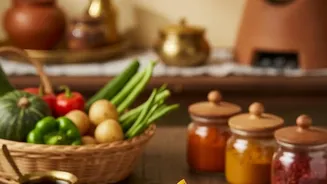
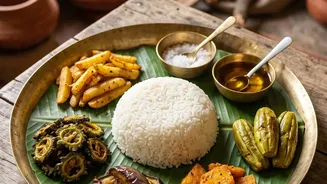
Undhiyu is Gujarat's celebrated winter specialty, a complex and flavourful one-pot dish. Its name comes from the Gujarati word 'undhu', meaning 'upside down', referring to the traditional method of cooking it underground in sealed clay pots. This slow-cooked delicacy features a medley of winter vegetables like surti papdi (flat beans), purple yam, sweet potatoes, and small brinjals. These are cooked with 'methi muthia' (spiced fenugreek dumplings) in a vibrant paste of coconut, cilantro, and spices. It's a true taste of the season, typically prepared for festivals like Uttarayan.
Sarson ka Saag: The Unbeatable Classic
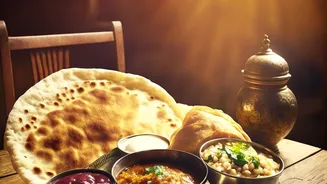
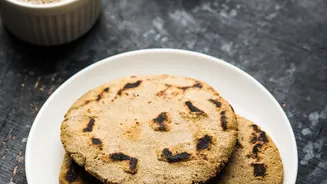
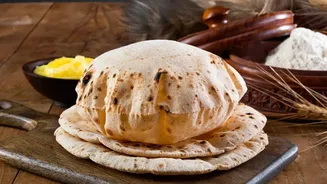
No winter food list is complete without this iconic Punjabi dish. Sarson ka Saag, made from tender mustard greens, is available only during the cold months, giving it a special seasonal status. Often blended with other greens like spinach and bathua (chenopodium), the saag is slow-cooked until it reaches a creamy, velvety consistency. It is traditionally served with a dollop of white butter and paired with Makki ki Roti (a flatbread made from maize flour), another winter staple. This combination is not just a meal; it's a comforting experience that defines winter in North India.
Nolen Gurer Payesh: A Sweet Seasonal Delicacy
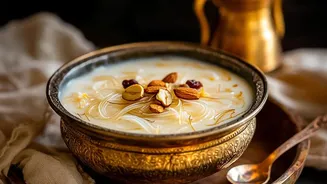
Hailing from West Bengal, this is no ordinary rice pudding. What makes Nolen Gurer Payesh extraordinary is its star ingredient: Nolen Gur, or fresh date palm jaggery. This special jaggery is harvested only during the winter months, from November to February, and has a uniquely smoky, caramel-like flavour and an irresistible aroma that transforms the humble payesh. The gur gives the pudding a beautiful light brown hue and a sweetness that is rich and nuanced. For Bengalis, the arrival of Nolen Gur signals the true beginning of winter and the season of sweet indulgence.
Ponkh or Hurda: The Fleeting Winter Snack
This is a seasonal treat in the truest sense, available for just a few short weeks during the winter harvest. Ponkh (in Gujarat) or Hurda (in Maharashtra) is tender, young jowar (sorghum) a form of millet. The green grains are harvested while still soft and juicy, then roasted over a fire. This process gives them a smoky, nutty, and slightly sweet taste. Traditionally, families and friends gather for 'Hurda parties' to roast the fresh harvest. The tender grains are then enjoyed simply, often tossed with sev, lemon juice, and spices to create a delicious bhel.
Gajar ka Halwa: The Quintessential Winter Dessert
While available year-round now, true Gajar ka Halwa is a winter specialty. This is because the best version is made with sweet, juicy red carrots, known as 'Delhi carrots', which are available only during the colder months. This beloved dessert involves slow-cooking grated carrots in milk and ghee until they are tender and have absorbed all the richness. Sweetened with sugar and studded with nuts like almonds and pistachios, it’s a warm, comforting, and decadent end to any meal. It's a classic dessert that is deeply woven into India's winter food culture.
Bajre ki Raab: The Warming Rajasthani Elixir
This traditional warm beverage from Rajasthan and Gujarat is a soupy porridge made from bajra (pearl millet) flour. Often prepared with buttermilk or yogurt and simmered until it thickens, it’s a comforting drink served piping hot to combat the winter chill. It is typically flavoured with warming spices like ajwain (carom seeds) and ginger powder, which are known to aid digestion and boost immunity. In a region known for its harsh weather, Bajre ki Raab is a time-tested, nutritious remedy to stay warm and energised.