


The Golden Rule: The Three-Layer System
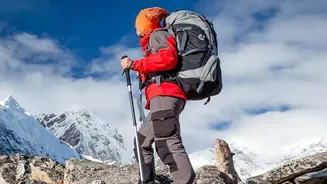
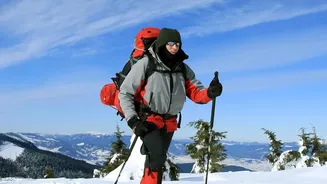
Forget that one bulky, heavy jacket. The secret to staying comfortable on a winter trek is a flexible three-layer system. This approach allows you to add or remove clothing to perfectly regulate your body temperature as you move from sunny patches to windy
ridges, or from strenuous climbs to restful breaks. Each layer has a specific job, and together they create a personal climate control system that is far more effective than a single thick garment.
Layer 1: The Base Layer
This is the layer that sits directly against your skin. Its primary job isn't to keep you warm, but to keep you dry. As you exert yourself, you will sweat, and wet skin loses heat rapidly. A good base layer is made of materials like merino wool or synthetics (polyester) that 'wick' moisture away from your skin, moving it to the outer surface of the fabric where it can evaporate. Avoid cotton at all costs; it absorbs sweat and stays wet, leaving you cold and clammy.
Layer 2: The Mid-Layer
This is your insulation layer. Its purpose is to trap the body heat you generate, creating a pocket of warm air. The most common and effective mid-layers are fleece jackets or padded 'puffy' jackets filled with either down or a synthetic equivalent. Fleece is breathable and stays warm even when it gets a little damp. Down offers the best warmth for its weight but loses its insulating properties when wet. Synthetic puffers are a great alternative, retaining warmth even in damp conditions. On a cold day, you might wear this layer all day; on a warmer, sunny day, you might keep it in your backpack.
Layer 3: The Outer Shell
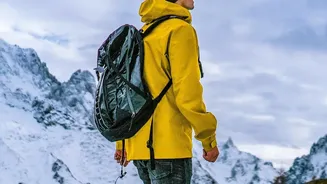
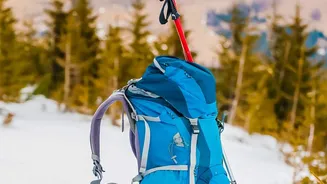
Your final layer is your shield against the elements. A good outer shell jacket and pants are both windproof and waterproof (or at least water-resistant). This layer protects your other layers—and you—from biting winds and unexpected snowfall, which can rob you of precious body heat. It should be 'breathable', meaning it allows the moisture wicked by your base layer to escape, preventing you from getting wet from the inside out. This layer is often uninsulated, as its main job is protection, not warmth.
Trek Choice 1: Kedarkantha, Uttarakhand
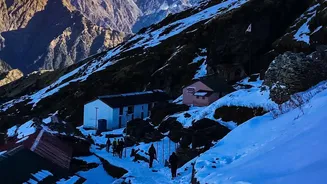
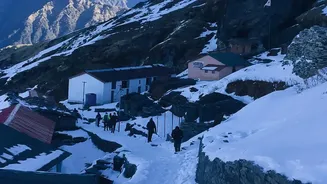
Often called the 'Queen of Winter Treks', Kedarkantha is perhaps the most popular choice for a first-time snow trekker in India. The trail is beginner-friendly, winding through beautiful pine forests and past the frozen Juda Ka Talab lake before a rewarding push to the 12,500-foot summit. The trek is typically done over 5-6 days, and its popularity means the route is well-established. For the 2026-27 season, expect reliable snow from late December through February, which is also the busiest period.
Trek Choice 2: Dayara Bugyal, Uttarakhand
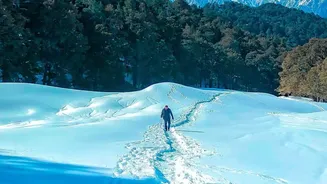
If your dream is to see vast, rolling meadows blanketed in pristine snow, Dayara Bugyal is an excellent choice. Graded as easy-to-moderate, it's considered one of the gentlest and most scenic winter treks, making it suitable for families and fit beginners. The trek offers stunning, wide-angle views of major peaks like Bandarpoonch and the Gangotri range. While Brahmatal trek offers frozen lakes, Dayara Bugyal is all about the expansive beauty of the 'bugyal', or high-altitude meadow.
Trek Choice 3: Brahmatal, Uttarakhand
For those who love the dramatic scenery of frozen alpine lakes and thrilling ridge walks, Brahmatal is a fantastic option. The trek is renowned for its views of the mighty Mt. Trishul and Nanda Ghunti, and it typically receives more consistent and deeper snowfall than some other treks in its category, making it a true winter wonderland. While also graded easy-to-moderate, it involves some steeper sections and is slightly more demanding than Dayara Bugyal, suiting beginners with a steady level of fitness.
Trek Choice 4: The Chadar Trek, Ladakh
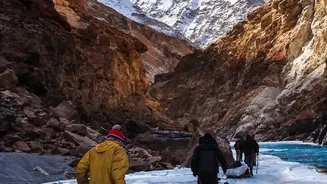
This is not a beginner's trek; it is a true Himalayan expedition. The Chadar Trek involves walking on the frozen Zanskar River at altitudes around 11,000 feet, with temperatures plummeting to -20°C or even -30°C at night. It is graded as difficult and requires excellent physical fitness, prior high-altitude trekking experience, and mental resilience. The reward is an otherworldly experience, walking through a deep gorge with frozen waterfalls and surreal icy landscapes. This is a bucket-list adventure for seasoned trekkers, typically undertaken in January and February when the ice sheet is most stable.