






The New Definition of Luxury
A fundamental shift is underway in how people, especially in Asia, approach travel. The focus is moving away from the passive consumption of luxury—think infinity pools and champagne breakfasts—to the active pursuit of memorable experiences. According
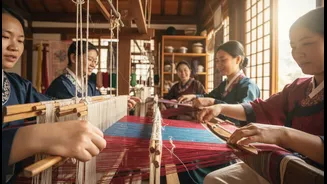
to a 2026 Klook Travel Pulse report, travelers are prioritizing richer experiences and deeper discovery over simply checking destinations off a list. This trend, often called 'experiential travel', is about immersion. It's the difference between watching a cultural show from a hotel balcony and learning the craft from a local artisan in their village. The new luxury is not about what you have, but what you do and who you become.
Why We Crave Connection Over Comfort
Several factors are driving this change. Younger travelers, particularly Millennials and Gen Z, are leading the charge. Fueled by a desire for personal growth and stories worth sharing online, they invest in activities that create lasting memories. Instead of spending on room upgrades, they allocate their budget to culinary tours, wellness retreats, or adventure activities like volcano trekking. Reports show that a majority of these travelers are willing to spend more on unique activities, often booking them even before their flights. This reflects a broader cultural shift where value is increasingly measured in emotional and personal ROI, not just material status. Even in the face of rising costs, travelers are more likely to cut back on flights and accommodation than on experiences.
From Five-Star Rooms to Five-Sense Adventures
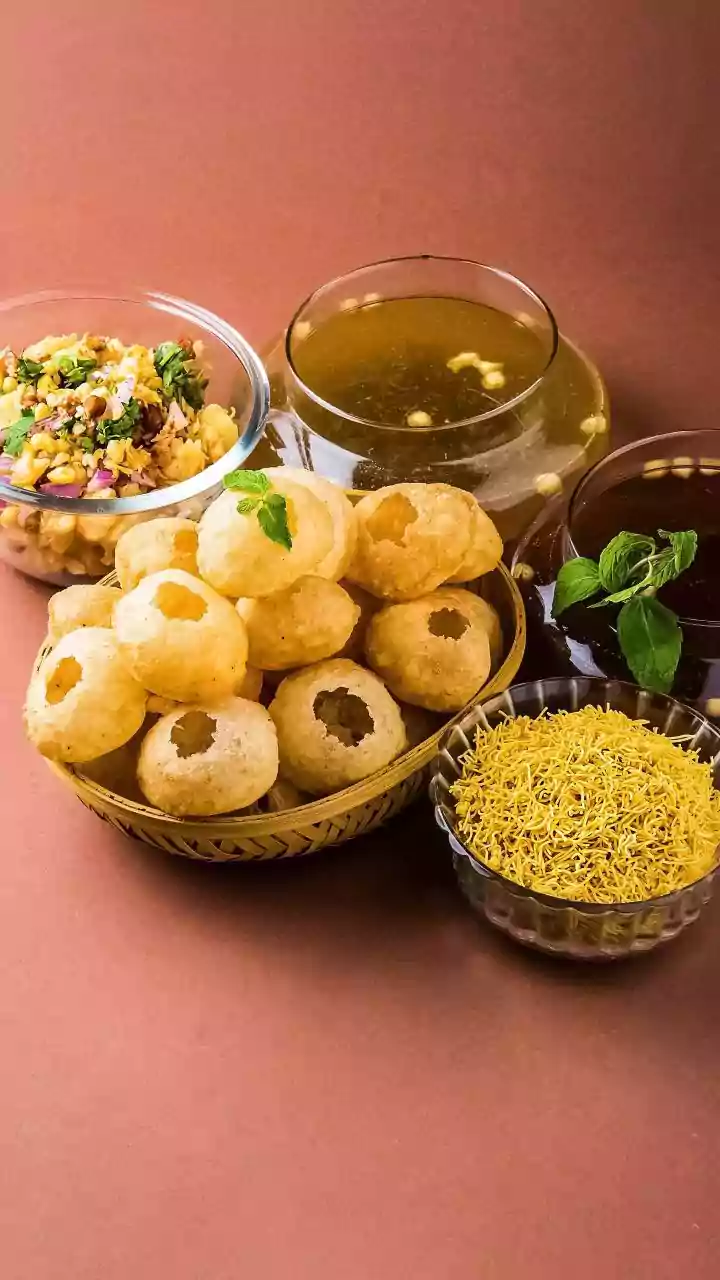
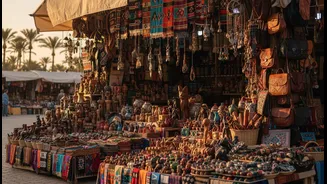
So, what do these experience-first holidays look like? In Thailand, it could mean forgoing a generic beach resort for an ethical elephant encounter or a community-based homestay that supports the local economy. In Vietnam, travelers are exploring beyond major cities to find authentic food experiences in local markets or trekking through national parks like Phong Nha-Ke Bang. This trend also sees a rise in community-based tourism, where visitors stay with local families, learn traditional crafts, and contribute directly to the community's well-being. The goal is to engage all five senses and return home with a genuine connection to the place, not just a photo of a hotel lobby.
How the Industry is Responding
The travel and hospitality industry is taking note. Many luxury hotels, once the bastions of prestige, are now marketing themselves as gateways to authentic local culture. Properties like The Ritz-Carlton in Langkawi and Anantara in Chiang Mai now organize guided nature walks, source ingredients from local producers, and design their properties to reflect regional traditions. At the same time, new travel companies are emerging that specialize in curated, multi-destination itineraries focused on cultural immersion. Hotels are realizing that to attract the modern traveler, they need to offer more than a comfortable bed; they need to offer a story, a lesson, or a transformative adventure. Even eco-tourism resorts are embedding themselves in the local culture, contributing to community projects and inviting guests to be part of their conservation efforts.