




The Protein Quality Puzzle
For many young adults, “clean eating” means choosing whole, unprocessed foods. When going plant-based, this presents a unique protein puzzle. It’s not just the amount of protein that matters, but its quality. Quality comes down to two things: the protein’s
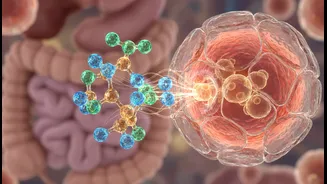
amino acid profile and how well your body can actually digest and absorb it. Proteins are built from amino acids, nine of which are essential because our bodies can't make them. Animal proteins typically contain all nine in sufficient amounts, making them 'complete'. Most plant proteins, however, are 'incomplete', meaning they are low in one or more of these essential building blocks. This is where the science of digestibility becomes a game-changer.
A Scale for Protein Power
Scientists use a scoring system to grade protein quality. The most established is the Protein Digestibility-Corrected Amino Acid Score (PDCAAS). It rates proteins on a scale from 0 to 1.0, with 1.0 being a top-quality protein that is easily digested and provides all essential amino acids. Animal-based proteins like whey and eggs easily score a 1.0. Most plant proteins score lower, often between 0.4 and 0.9, because they may lack certain amino acids or contain compounds that hinder digestion. A newer, more precise method called the Digestible Indispensable Amino Acid Score (DIAAS) is also gaining traction, as it measures amino acid absorption more accurately. Both scales essentially do the same job for consumers: they help us understand how much usable protein we're getting from our food.
Making the Scores Work for You
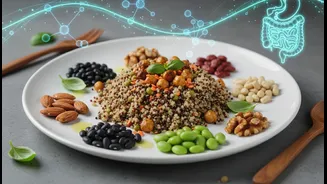
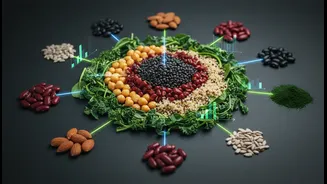
Understanding these scores isn't about doing complex math at every meal. It's about a strategy: combining plant foods to create a complete protein profile. Think of it like a team effort. Grains are often low in the amino acid lysine, while legumes like beans and lentils are packed with it. By pairing them—think rice and beans, hummus with pita bread, or peanut butter on whole-wheat toast—you are effectively building a 'complete' protein. This concept, known as protein complementation, ensures you get all the essential amino acids your body needs throughout the day. The good news is that you don't even need to eat them in the same meal; your body can pool amino acids over the course of a day.
Simplifying Your Plant-Based Plate
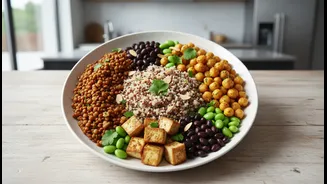
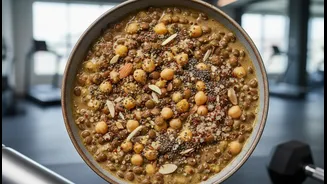
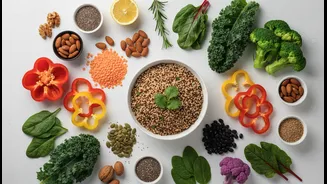
So how does this simplify things? Instead of stressing about hitting an abstract protein gram target with any plant food, you can focus on variety and smart pairings. Knowing that soy protein isolate, for example, scores a perfect 1.0 on the PDCAAS scale makes tofu, tempeh, and edamame reliable standbys. Realising that combining quinoa (a complete protein) with beans, or lentils (which score well on their own) with whole grains, easily meets your needs removes the guesswork. This knowledge empowers you to build a nourishing plate without obsessively tracking every nutrient. It shifts the focus from 'How much protein?' to 'What kinds of protein?' A varied diet rich in legumes, whole grains, nuts, and seeds will almost always deliver the high-quality, digestible protein you need to support an active, healthy lifestyle.