






In a world grappling with economic slowdowns, the International Monetary Fund has singled out India as a beacon of growth, upgrading its forecast. But what exactly is driving this optimism, and what hurdles remain for the Indian economy?
The New Forecast: A Closer Look
The International
Monetary Fund (IMF), in its October 2026 World Economic Outlook, has revised India's economic growth forecast upwards to a robust 7.0 percent for both the 2026 and 2027 fiscal years. This is a significant jump from its earlier projection of 6.4 percent made in July 2026, marking a 0.6 percentage point increase. This revision places India firmly among the world's fastest-growing major economies, a standout performer at a time when global growth is projected to slow to just 3.1 percent in 2026. The IMF's confidence stems from what it describes as 'stronger-than-expected momentum' observed in the Indian economy, which grew by 7.8 percent in the previous fiscal year. This optimism is not isolated; it aligns with positive forecasts from other major institutions like the World Bank and the Organisation for Economic Co-operation and Development (OECD), building a consensus that India's economic engine is firing on multiple cylinders.
India's Engine: What's Driving the Growth?
The primary force behind India's economic resilience is its powerful domestic demand. Unlike many economies that are heavily reliant on exports, India's growth is substantially cushioned by its large and expanding internal market. Household consumption, business investment, and significant public spending on infrastructure are creating a virtuous cycle of economic activity. The services sector, in particular, has been identified as a powerhouse, showing robust activity that contributes significantly to the overall expansion. Furthermore, the IMF has pointed to several structural advantages that bolster India's medium-term potential. These include favourable demographic trends with a young and growing workforce, ongoing structural reforms aimed at improving the business environment, and the rapid expansion of digital public infrastructure, which enhances efficiency and market access. This combination of a strong consumer base and strategic policy measures has made the economy remarkably resilient.
Navigating a Gloomy Global Picture
India's positive outlook is even more remarkable when set against a backdrop of significant global uncertainty. The world economy is navigating a series of challenges, including geopolitical conflicts in the Middle East that have led to volatile and elevated oil prices. For an energy-importing nation like India, this poses a tangible risk that could fuel inflation and widen the current account deficit. Global growth is also being hampered by high interest rates in advanced economies, persistent inflation concerns, and the looming threat of trade fragmentation. The IMF's report, titled 'Resilience Under Strain', notes that while the global economy has adapted, these adjustments are becoming more costly and uneven. Many emerging markets are seeing their growth prospects downgraded, making India's upward revision a notable exception and highlighting its unique position as a driver of global growth.
Potential Hurdles on the Horizon
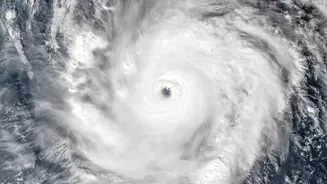
Despite the widespread optimism, the path forward is not without its challenges. The IMF and other analysts have flagged several risks that require careful management. Persistently high crude oil prices remain a key vulnerability for India. Domestically, there are concerns about inflation, with the IMF projecting consumer prices to rise by 5.0 percent in 2026 before easing. Another significant risk mentioned by the IMF is the potential impact of the Super El Niño weather phenomenon. This could lead to lower than expected agricultural output and a subsequent spike in food prices, which would inevitably weaken household purchasing power and dampen consumption. While the IMF noted that these weather related risks have not yet materialised, they remain a critical factor to monitor in the coming months and could lead to a reassessment of growth projections if conditions worsen.