
Croatia is a victim of its own success. Its world-famous coastline and historical cities are breathtaking, but fighting for space can spoil the magic. Sidestep the biggest crowds and discover a more authentic side of this incredible country.
Instead of Dubrovnik, Try Šibenik
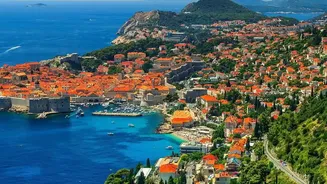
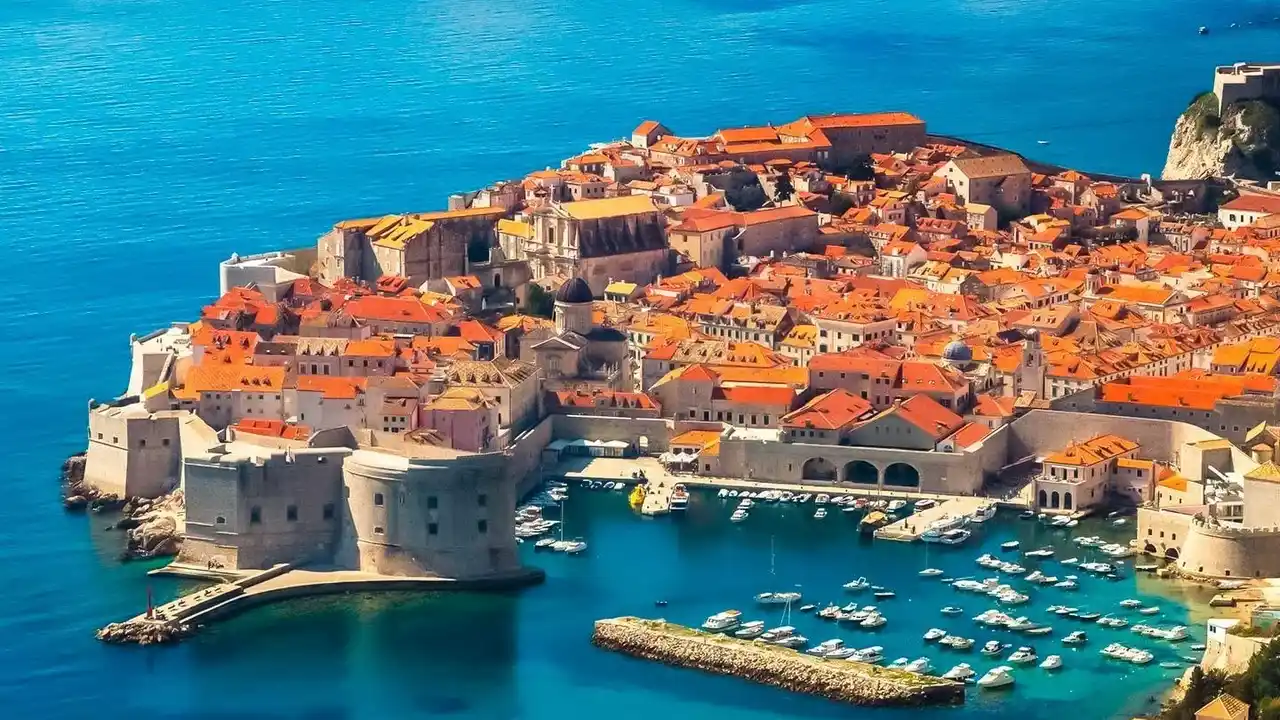
Dubrovnik,
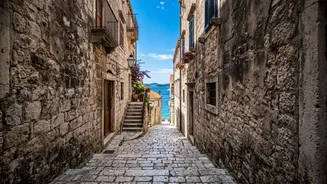
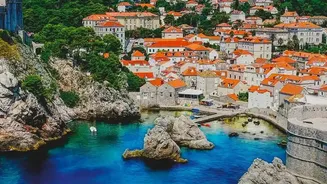
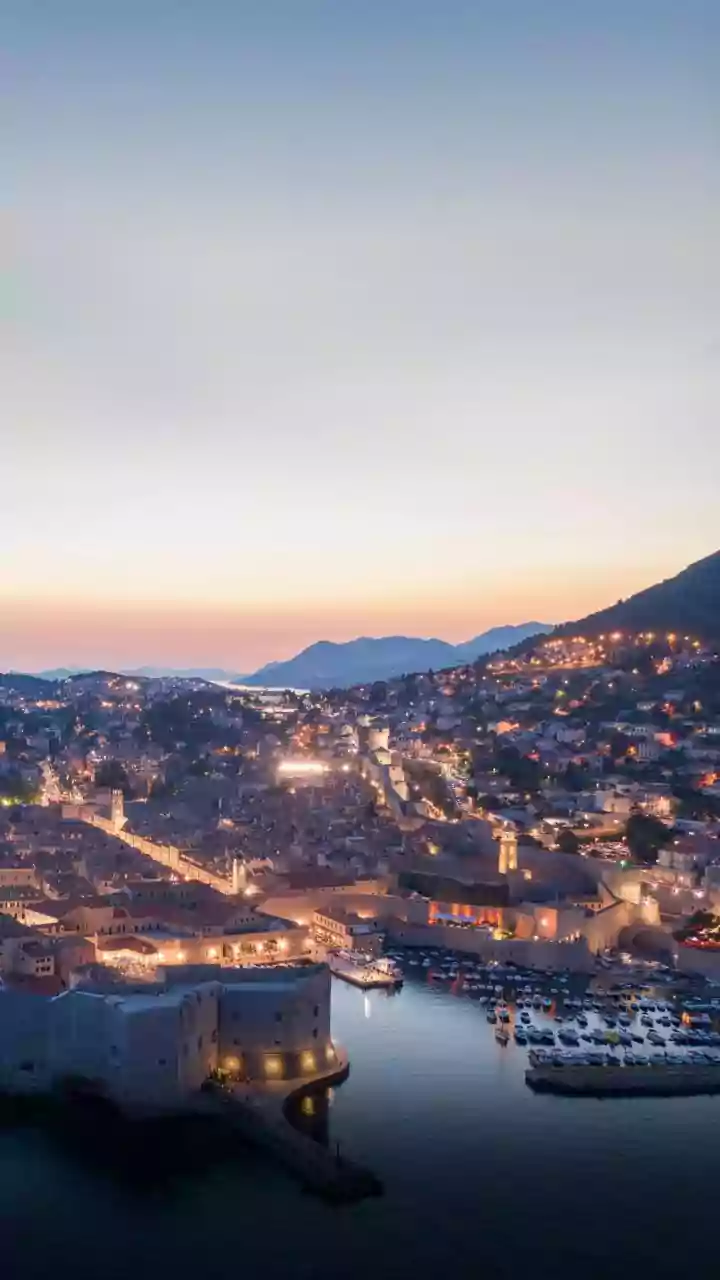
the 'Pearl of the Adriatic', is undeniably stunning, but its beauty has a price: staggering crowds. Between the cruise ship passengers and fans of its famous filming locations, the Old Town can feel more like a theme park than a living city. For a similarly enchanting medieval experience without the endless queues, turn your attention north to Šibenik. As the oldest native Croatian town on the coast, it offers a labyrinth of stone alleys, charming squares, and a vibe that feels genuinely local. Šibenik is home to two UNESCO World Heritage sites, including the magnificent Cathedral of St. James, yet it remains wonderfully unpretentious. You can enjoy a coffee or a meal without feeling rushed, wander the waterfront in peace, and discover a city that’s just as rich in history but far more relaxed.
Instead of Hvar Town, Try Vis Island
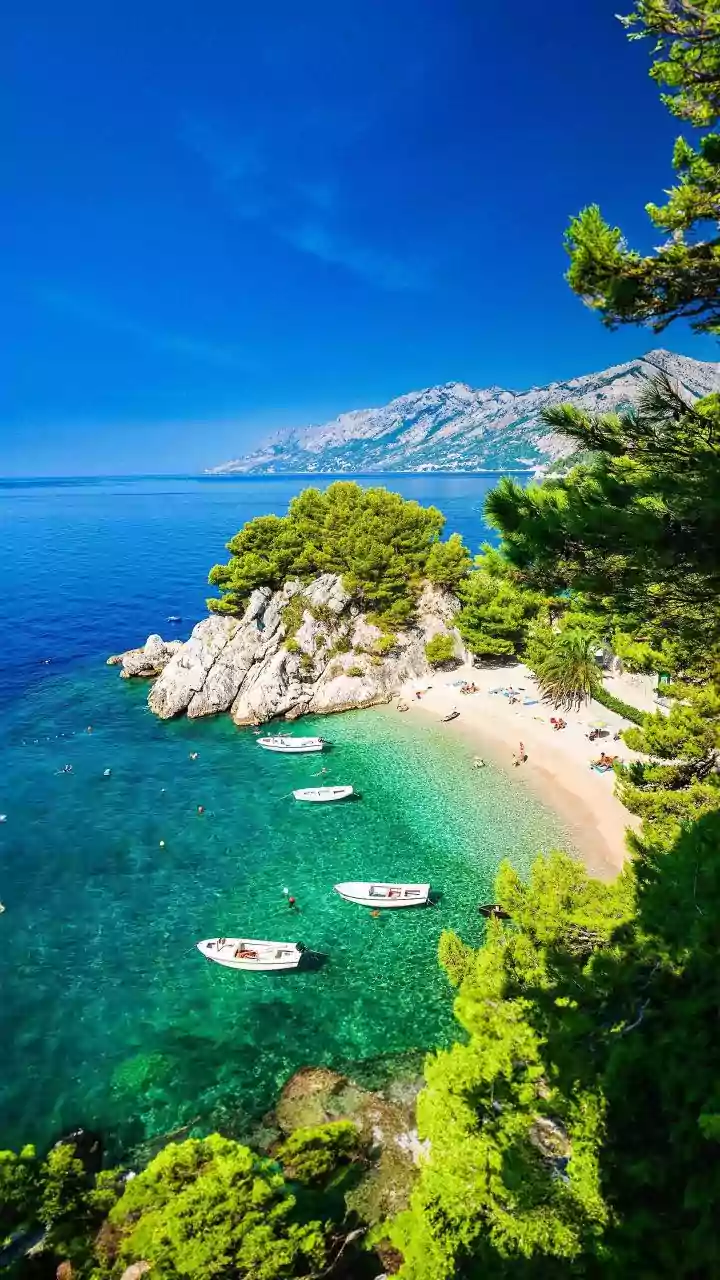
Hvar Town has a reputation as the place to see and be seen, with its glamorous nightlife, bustling harbour, and high-end restaurants. But if your idea of an island escape involves more tranquility than trendiness, Vis is your answer. For decades, Vis was a closed military base, a historical quirk that saved it from large-scale tourist development. The result is an island that feels rugged, unspoiled, and deeply authentic. Life here moves at a slower pace. You can explore charming fishing villages like Komiža, discover secluded coves such as the famed Stiniva Beach, and savour local wines without the hype. While Hvar buzzes with energy, Vis offers a profound sense of peace and a connection to a more traditional Dalmatian way of life.
Instead of the Coastal Cities of Istria, Try the Hilltop Towns
The Istrian peninsula is often called 'Croatia's Tuscany', and for good reason. However, its coastal cities can get remarkably crowded. One study even ranked Istria as one of Europe's most overloaded tourist regions. To escape the congestion while still soaking in the region's magic, head inland. The interior of Istria is a rolling landscape of vineyards, olive groves, and dense forests hiding prized truffles. Perched atop its many hills are medieval towns like Motovun and Grožnjan. These fortified settlements offer breathtaking panoramic views, quiet cobblestone streets, and a chance to visit family-run wineries and 'konobas' (taverns) that serve hyper-local food. It’s a world away from the busy coast, offering a taste of rural Croatian life that is both delicious and serene.
Instead of Split's Old Town, Try Trogir
Split is a vibrant city built around the sprawling Diocletian's Palace, a UNESCO World Heritage site. While fascinating, the core of the Old Town can become intensely crowded, especially in summer. Just a short drive away lies Trogir, a perfect alternative that delivers a powerful historical punch in a more compact and manageable package. The entire old town of Trogir is a UNESCO site, a perfectly preserved island-town packed with Romanesque and Renaissance architecture. It’s often described as a living museum, but one where you can leisurely stroll along the marble-paved streets, admire the stunning cathedral, and relax at a waterfront café watching the yachts go by, all without the overwhelming crush of a major city.
Instead of Plitvice Lakes, Try Krka National Park
Plitvice Lakes National Park is a natural wonder, a series of 16 terraced lakes connected by waterfalls. Its fame, however, means navigating crowded wooden boardwalks, especially during peak season. For a similar experience of cascading waterfalls in a lush, green oasis, consider Krka National Park instead. While also popular, Krka's layout often feels more spacious. You can wander its network of trails and boardwalks, visit the historic watermills, and even take a boat trip to the serene Visovac Island with its 15th-century monastery. Unlike Plitvice, certain areas in Krka have historically been open for swimming, offering a refreshing way to connect with the park's famous waters (always check current park rules). It’s a stunning and slightly more interactive alternative to its world-famous counterpart.