


The Genius of One-Pot Cooking
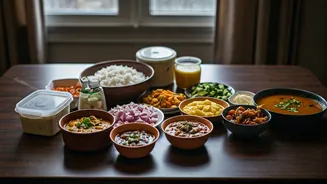
The beauty of a one-pot meal lies in its simplicity and efficiency. [1] By combining all your ingredients—be it protein, vegetables, or carbs—into a single vessel, you not only drastically cut down on cleaning time but also create incredibly flavourful
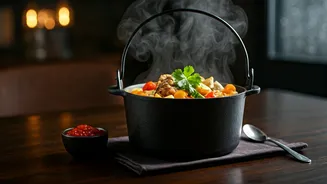
dishes. [2, 5] As the ingredients cook together, their flavours meld and intensify, creating a depth that is often hard to achieve with separate pots and pans. [2, 11] This method is not just about convenience; it's a smart way to cook. It's economical, often relying on simple, affordable ingredients, and it reduces food waste by allowing you to use up leftover vegetables. [1, 3] Furthermore, cooking in one pot helps retain the nutrients of the ingredients, making your meals both delicious and wholesome. [1, 11]
Classic Rice Dishes, Simplified
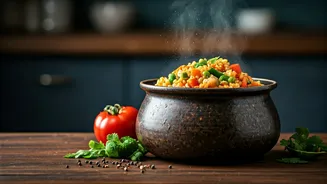
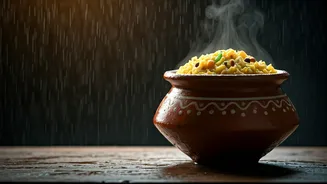
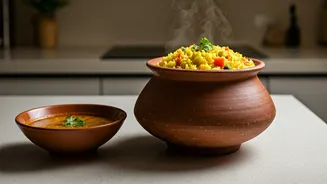
Rice is the heart of many Indian meals, and one-pot dishes like Vegetable Pulao and Khichdi are prime examples of this principle in action. Vegetable Pulao is a fragrant, mild, and incredibly versatile dish where basmati rice is cooked with a medley of vegetables and aromatic whole spices. [12, 15] It's a complete meal in itself, perfect for a quick lunch or a party. [12] Khichdi, a comforting blend of rice and lentils, is another one-pot champion. [7, 8] Considered highly nutritious and easy to digest, it can be prepared with various vegetables and spices to suit any palate. [7, 9] Modern pressure cookers and Instant Pots have made preparing these dishes even faster, delivering fluffy, perfectly cooked grains every time. [24]
Hearty Dals Without the Hassle
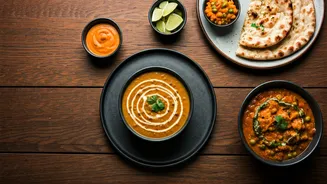
Dal is a staple in every Indian household, but it traditionally requires multiple steps. However, many classic dal recipes can be brilliantly adapted for one-pot cooking. Dal Makhani, a rich and creamy dish traditionally simmered for hours, can be made in a fraction of the time in an Instant Pot or pressure cooker without compromising on its signature smoky flavour. [4, 9, 13] All the ingredients, from the lentils and beans to the aromatic spices and tomato puree, go into the pot together, creating a velvety, flavour-packed dish. [5, 17] Similarly, simple everyday dals like Dal Tadka can also be prepared in a single pot, with the tempering (tadka) added right at the end to the same pot, saving you an extra pan to wash.
Speedy Sabzis and Curries
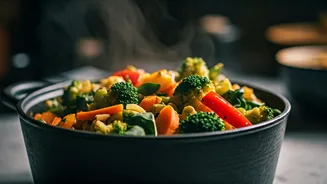
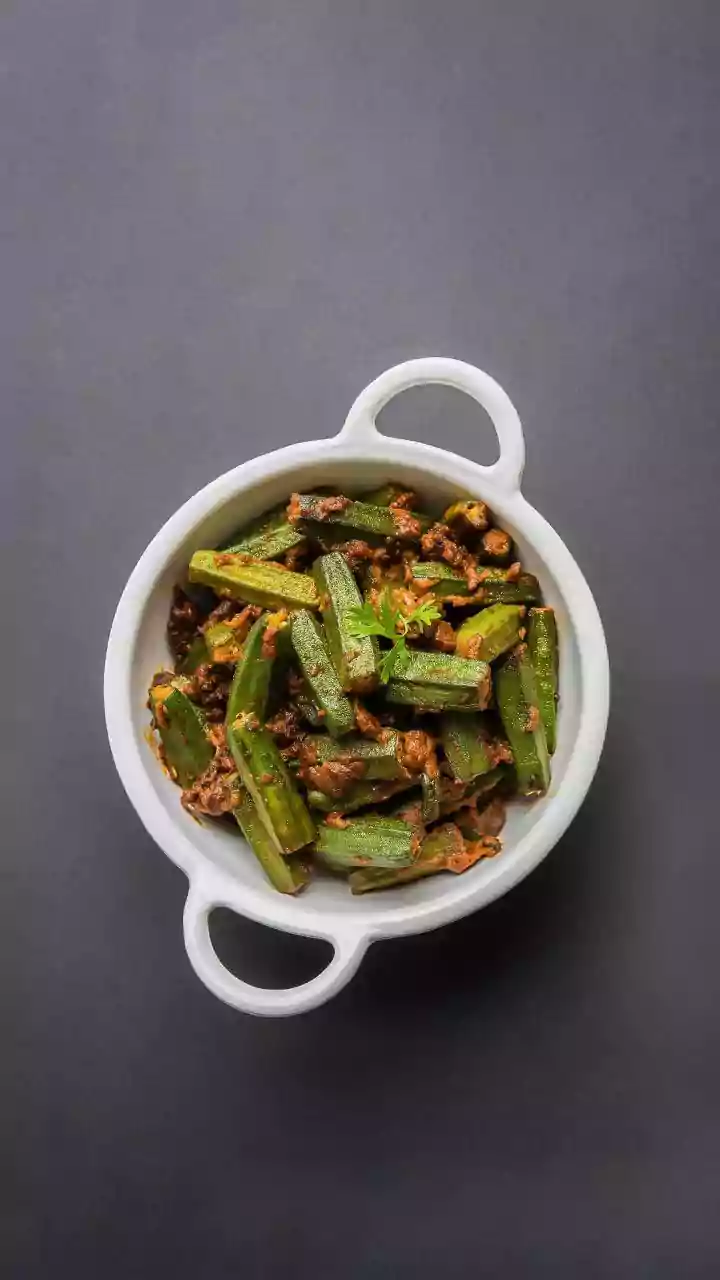
Who says a good sabzi needs multiple pans for frying and sautéing? Many dry and semi-gravy vegetable dishes can be cooked in a single kadai or pan. The key is to add vegetables according to their cooking time. [26] For a mixed vegetable sabzi, you start by sautéing onions, ginger, and garlic, then add the spices and tomatoes, followed by hard vegetables like potatoes and carrots, and finally, quicker-cooking ones like peas and capsicum. [14, 23] This method ensures all vegetables are perfectly cooked without becoming mushy. Even dishes like Aloo Gobi can be made in one pot, resulting in a flavourful and satisfying side dish with minimal cleanup. [19]
Beyond the Usual Suspects
The world of one-pot Indian cooking extends far beyond the usual pulao and dal. For breakfast, dishes like Upma and Poha are classic examples of quick, single-pan meals. Even South Indian specialties like Bisi Bele Bath, a flavourful mix of rice, lentils, and vegetables, are quintessential one-pot wonders. [9, 18] You can also get creative and make Indian-style pasta or spicy fried rice using just one vessel. [6] The right equipment, like a sturdy pressure cooker, a deep non-stick kadai, or a modern Instant Pot, can handle everything from sautéing to pressure cooking, making your one-pot journey even smoother. [25, 27]