



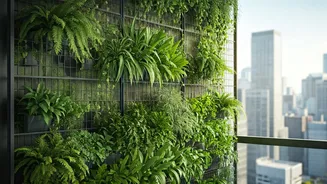


More Than Just a Few Potted Plants
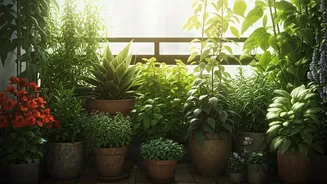
This isn't your grandmother's occasional hobby of keeping a few flowering plants. The current urban gardening movement is a conscious, widespread shift driven by a desire for sustainability, better health, and a tangible connection to nature. City dwellers
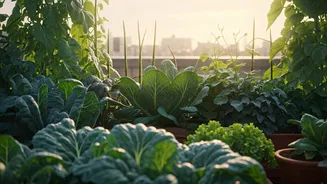
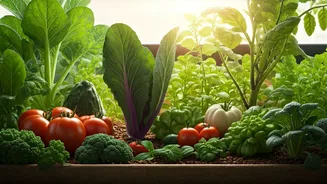
across Bengaluru, Mumbai, Delhi, and beyond are transforming their limited spaces into productive micro-farms. From simple pots of coriander and mint to elaborate vertical setups growing tomatoes, chillies, and leafy greens, urban spaces are becoming greener and more edible. This trend goes beyond aesthetics; it's a response to modern urban challenges, including concerns about food quality, rising grocery prices, and a growing disconnect from where our food comes from.
The Balcony-to-Table Movement
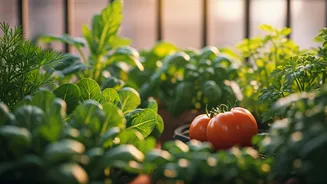
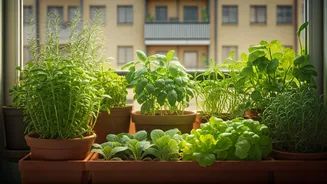
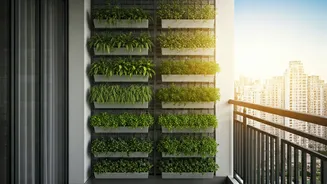
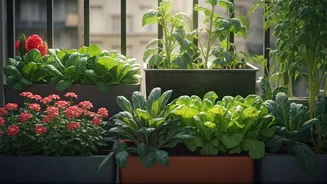
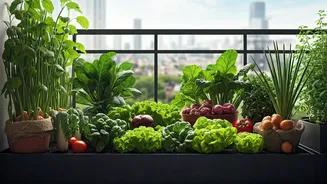
The heart of this trend lies in the humble balcony or terrace, the most accessible patch of ‘land’ for millions of apartment dwellers. The ‘balcony-to-table’ concept is gaining immense popularity, fueled by a craving for fresh, pesticide-free produce. Enthusiasts are getting creative, using everything from traditional terracotta pots and grow bags to innovative self-watering containers and vertical planters to maximize their yield. Popular choices for these urban farms include easy-to-grow items like spinach (palak), fenugreek (methi), tomatoes, brinjal, and a variety of herbs. Online communities, YouTube tutorials, and dedicated gardening startups have made it easier than ever for beginners to get started, offering everything from organic seeds to soil mixes and expert advice.
Why Now? The Roots of the Boom
Several factors have converged to create this green surge. The COVID-19 lockdowns played a significant role, forcing people to spend more time at home and seek out new, fulfilling hobbies. Gardening offered a therapeutic escape and a sense of control during an uncertain time. But the trend has outlasted the pandemic. Growing awareness about the heavy use of pesticides and chemicals in commercially grown produce has pushed many to seek healthier alternatives. Furthermore, the visual appeal of a lush, green balcony, shared on social media platforms like Instagram, has created a powerful aspirational effect. It’s become a statement of a slower, more conscious lifestyle in the middle of a fast-paced world.
Greening from the Ground Up
Beyond individual balconies, the movement is fostering a sense of community. In many residential societies, proactive residents are collaborating to convert neglected common areas into thriving community gardens. These shared plots not only provide a larger harvest but also become social hubs where neighbours connect, share knowledge, and work together. Children learn firsthand about plant life cycles, and older residents find a renewed sense of purpose. These community efforts help improve local biodiversity by attracting birds, bees, and butterflies, turning sterile urban landscapes into small but vital ecosystems.
The Unexpected Harvest of Benefits
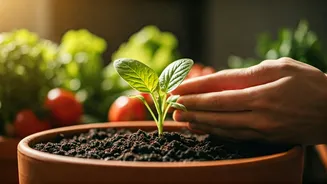
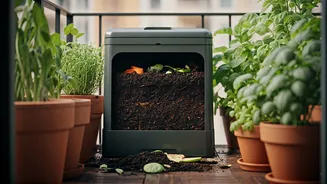
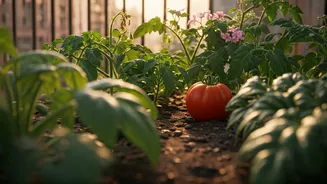
The rewards of urban gardening extend far beyond a fresh salad. The act of nurturing a plant from seed to harvest is a powerful stress-reliever, with studies showing that gardening can reduce anxiety and improve mental well-being. It promotes a healthier diet and encourages physical activity. For families, it's an invaluable educational tool. Moreover, it subtly shifts our perspective on consumption and waste. When you understand the effort it takes to grow a single tomato, you’re less likely to waste food. This growing consciousness is helping to build more resilient and environmentally aware urban communities, one pot at a time.