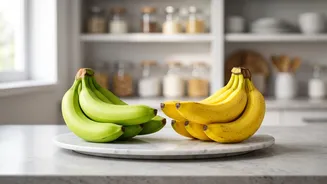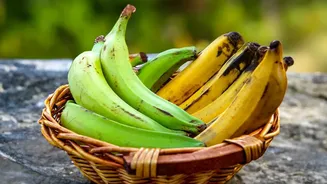



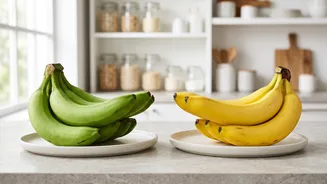

It’s a familiar choice in the fruit aisle: do you grab the firm, green bananas or the soft, yellow ones? The answer isn't just about taste. A banana's ripeness dramatically changes its nutritional profile, especially how it impacts your gut.
The Power of Green Bananas: Resistant Starch
Slightly unripe,
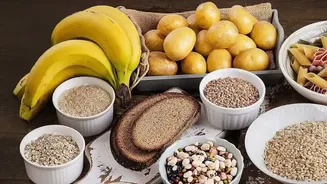
green bananas are defined by their high content of resistant starch. As the name suggests, this type of starch 'resists' digestion in your small intestine. Instead, it travels to the large intestine, where it functions as a prebiotic—essentially, a feast for your beneficial gut bacteria. As these good microbes ferment the starch, they produce short-chain fatty acids like butyrate, which is the primary fuel for the cells lining your colon and helps maintain a healthy gut barrier. This process is excellent for long-term microbiome health. Furthermore, the high resistant starch and pectin content in green bananas helps you feel fuller for longer and leads to a much slower, more gradual rise in blood sugar, making them a great choice for stable energy.
The Case for Ripe Bananas: Quick Energy and Easy Digestion
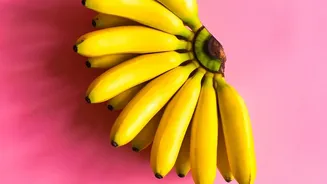
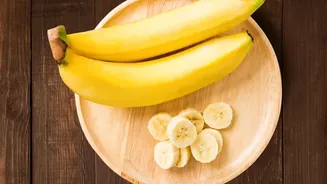
As a banana ripens and turns yellow, a significant transformation occurs. Enzymes convert the complex resistant starches into simple sugars like sucrose, glucose, and fructose. This is why yellow bananas taste much sweeter. While they lose most of their resistant starch, they gain other advantages. The simple sugars provide a source of quick, easily accessible energy, making a ripe banana an ideal pre-workout snack. They are also generally easier to digest for many people, as the breakdown of tough starches and fibers like pectin makes the fruit softer and gentler on the stomach. For those with sensitive digestive systems who may experience gas or bloating from the high fiber content of green bananas, a ripe banana is often a better-tolerated option. Ripe bananas also have higher levels of antioxidants compared to their green counterparts.
The Blood Sugar Difference Explained
The impact on blood sugar is one of the most significant differences between the two. Thanks to its resistant starch, a green banana has a low glycemic index (GI), typically around 30 to 42. This means it causes a slow and steady increase in blood glucose levels. In contrast, a ripe yellow banana has a medium GI, around 51 to 62, because its simple sugars are absorbed more quickly. This makes green bananas a better option for individuals focused on blood sugar management. However, even a ripe banana's effect on blood sugar is moderated by its fiber content, which slows absorption. Pairing any banana with a source of protein or fat, like nut butter, can further blunt the glycemic response.
Pectin: The Unsung Hero in Both
While resistant starch gets a lot of attention, another important fiber called pectin is present in both green and ripe bananas. Pectin is a type of soluble fiber that provides structure to the fruit. In your gut, it has a gel-like quality that can help soften stool and prevent constipation, but it can also help with diarrhea by regulating bowel movements. Pectin also contributes to a feeling of fullness and slows the emptying of your stomach, further helping to control appetite and moderate blood sugar levels after a meal. While pectin levels decrease as a banana becomes overripe and mushy, it remains a valuable component in both green and yellow fruit.
The Verdict : Which Banana Is Right for You?
Ultimately , there is no single 'best' banana ; the ideal choice depends entirely on your personal health goals and digestive tolerance . If your priority is to feed your gut microbiome , improve satiety , and maintain stable blood sugar , a greener , less -ripe banana is the superior choice due to its high resistant starch content . If you need a quick source of energy before exercise , or if you have a sensitive digestive system that struggles with large amounts of fiber , a ripe yellow banana is the more suitable option . Many people find a happy medium with a banana that is just ripe — yellow but with slightly green tips — which offers a balance of easy -to -digest sugars and some remaining resistant starch .