




The End of the Checklist Holiday
For years, the hallmark of a 'successful' vacation was a dizzying checklist of sights seen and photos taken. It was a race against time, cramming as many cities and landmarks into a few short days as possible. But a quiet but powerful shift is underway.
Travellers are increasingly feeling the burnout from this high-stress approach. The focus is no longer about seeing everything, but about experiencing a destination more deeply and authentically. This move away from quantity towards quality is giving rise to a more intentional way of travelling, where the goal isn't just to 'get away', but to genuinely reconnect—with a place, with loved ones, and most importantly, with oneself.
The Rise of Slow and Mindful Travel
This emerging philosophy is often called 'slow travel'. It is a mindset that prioritises connection over checklists. Instead of rushing from one tourist hotspot to another, slow travellers choose to stay in one place for longer, immersing themselves in the local culture, food, and daily rhythms. This approach naturally reduces stress and opens the door for spontaneous, memorable moments that a rigid itinerary would never allow. It's about wandering through a neighbourhood market, finding a favourite local café, or simply taking the time to absorb the atmosphere without the pressure to constantly be on the move. This desire for a reset is a key driver, with a majority of travellers now saying their primary motivation for a holiday is simply to rest and recharge.
Nature as the Ultimate Antidote
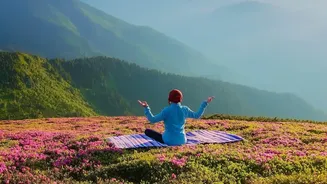
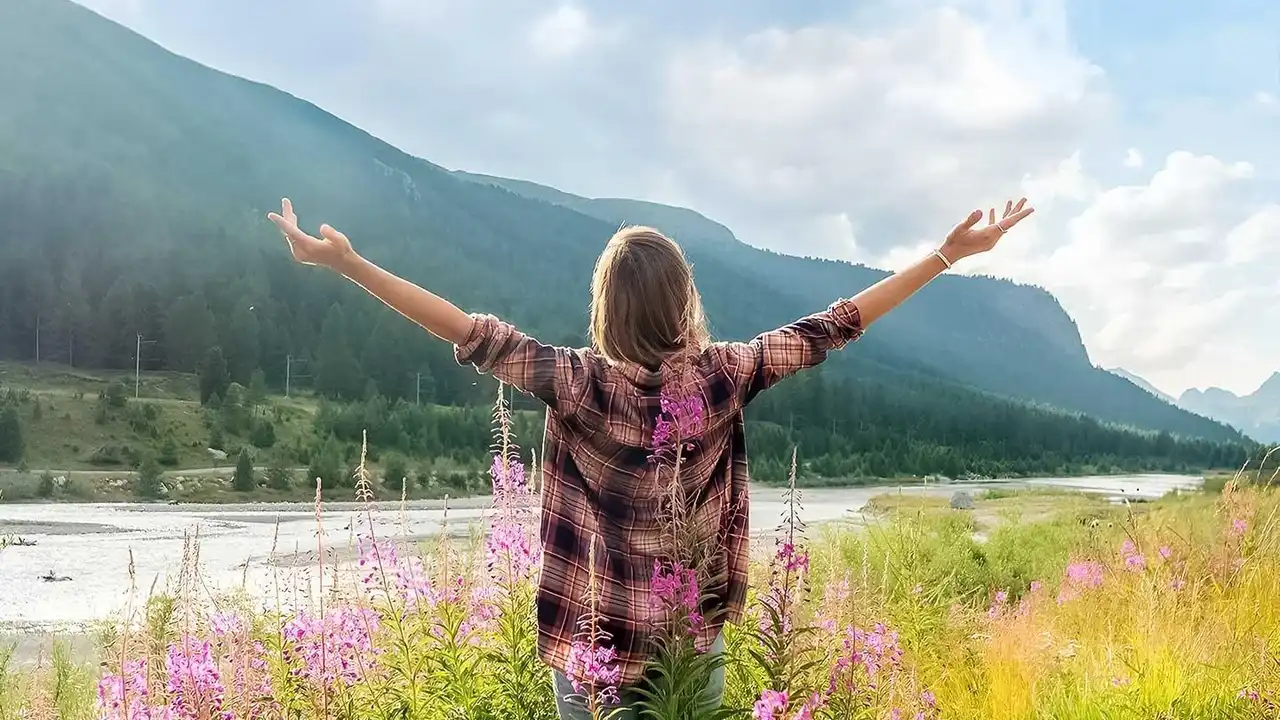
A huge part of this shift involves reconnecting with the natural world. As our daily lives become more digitally saturated, the appeal of a 'digital detox' in nature grows stronger. Destinations offering clean air, quiet trails, and expansive landscapes are becoming the new luxury. The wellness benefits are clear: spending time in nature reduces stress, improves mood, and provides a much-needed break from the constant stimulation of screens. This has led to a surge of interest in activities like hiking, forest bathing, staying in remote cabins, and even stargazing in areas with minimal light pollution. It’s a return to the elements, recognising that sometimes the most profound sense of well-being comes from the simplest sources.
A Journey Inward: Wellness on the Go
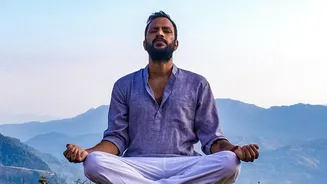
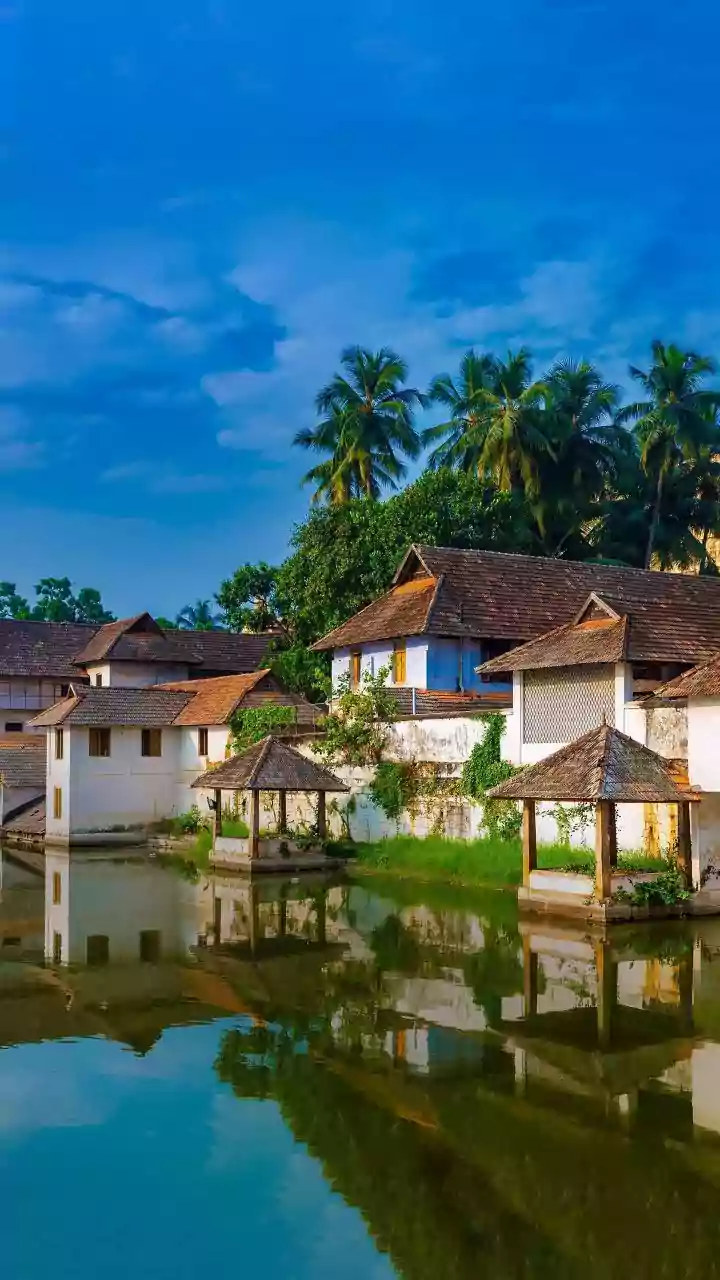
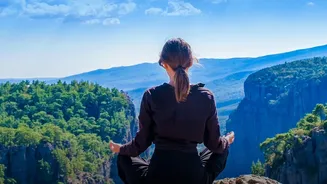
Wellness tourism is no longer a niche market; it's a global phenomenon. India, as the birthplace of yoga, Ayurveda, and meditation, is uniquely positioned to cater to this growing demand. Travellers are seeking out retreats and workshops that offer more than just a temporary escape. They want to learn practices that promote mental clarity, emotional balance, and physical health, which they can incorporate into their lives back home. From Ayurvedic detoxification in Kerala to yoga and meditation ashrams in Rishikesh, these experiences are designed to address modern ailments like stress, anxiety, and burnout. The introduction of a dedicated AYUSH visa by the Indian government further streamlines access for international visitors seeking these traditional healing practices.
A New Definition of Vacation
Ultimately, the growing importance of nature and wellness tourism signifies a deeper change in our values. A vacation is no longer just about hedonistic pleasure or escaping work; it's seen as a vital opportunity for personal growth and holistic restoration. People want to return from their trips feeling better than when they left—not more tired. This trend is reshaping the travel industry, with hotels and destinations now offering everything from sleep-focused programs to mindfulness workshops and healthy, locally sourced food. It reflects a collective realisation that true rest is not about doing nothing, but about doing something that genuinely nourishes the body, mind, and spirit.