








Choosing the Right Rain Jacket
A high-quality waterproof jacket is your first line of defence against the rain, but not all are created equal. Look for jackets that are 'waterproof and breathable'. This dual quality is crucial for India's humid monsoon, as it prevents rain from getting
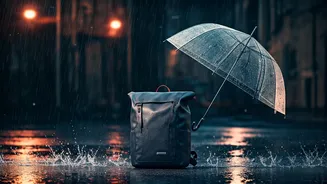
in while allowing sweat to escape, keeping you from feeling clammy. Check for features like sealed seams, which are essential to prevent water from leaking through the stitching. A good hood with an adjustable fit is also a non-negotiable. While heavy-duty three-layer jackets offer maximum protection, a lighter 2.5-layer jacket is often more practical—it's packable, breathable, and sufficient for city commutes and weekend trips. Finally, don't forget to pair it with a sturdy, wind-resistant umbrella for complete protection.
Illuminating Your Home During Power Cuts
Monsoon storms often bring power cuts, making reliable emergency lighting essential. A multi-pronged approach is best. For automatic, hands-free light, install rechargeable inverter LED bulbs in key areas like hallways or bathrooms; they switch on instantly when the power fails. For rooms where the family gathers, a rechargeable LED lantern provides wide, ambient light perfect for dinner or conversation. Finally, a powerful handheld LED torch is indispensable for navigating stairs, checking fuse boxes, or any task requiring a focused beam of light. When choosing, look for Lumen (lm) output for brightness and battery capacity (mAh) for longevity.
Keeping Your Feet Dry and Safe
The wrong footwear during monsoon can lead to soggy discomfort and dangerous slips. Leather and canvas shoes are a no-go as they absorb water and take ages to dry. Instead, opt for footwear made from rubber, EVA, or other synthetic, waterproof materials. Open-style waterproof sandals and flip-flops are great as they dry quickly and allow your feet to breathe. Look for options with textured, anti-slip soles to ensure a firm grip on wet, slippery surfaces. For those who need more coverage, waterproof slip-on shoes or clogs protect your toes from muddy puddles while remaining easy to clean.
Preparing Your Home for the Onslaught
Getting your home monsoon-ready can prevent significant damage and discomfort. Before the first downpour, inspect your roof, walls, and window sills for any cracks or gaps and have them sealed. Clear out clogged drains and gutters to ensure rainwater flows away from your home, preventing waterlogging. Inside, combat the pervasive dampness by ensuring good ventilation; keep furniture a few inches away from walls to allow air to circulate. Use moisture absorbers or silica gel packs in wardrobes and cabinets to protect clothes and other items from mould and musty smells. It's also wise to roll up and store expensive carpets to protect them from humidity.
The Essential Emergency & Commute Kit
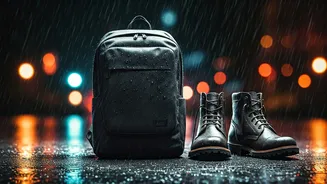
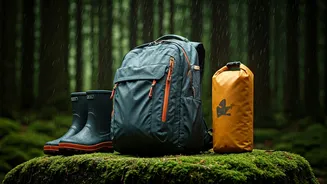
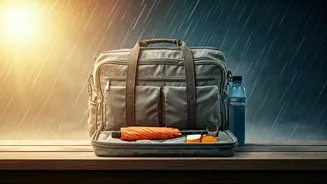
Beyond the basics, a few extra items can make monsoon life much easier. Keep a power bank fully charged to ensure your phone stays on during power outages. A basic first-aid kit with antiseptic, bandages, and any personal medications is crucial, as is a good mosquito repellent. For your commute, protect your electronics and documents with a waterproof backpack or, at a minimum, a reliable rain cover for your existing bag. Keeping a few ziplock bags handy is also a smart trick to give your phone and wallet extra protection from a sudden downpour.