





From Spectacle to Substance
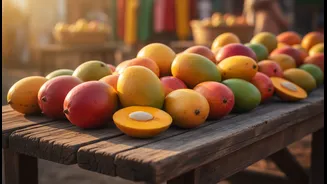
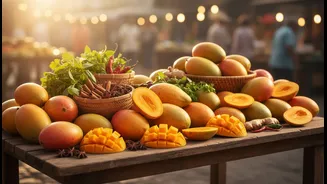
At first glance, mango festivals appear to be all about celebration. They are lively, colourful events filled with mango-eating competitions, cooking demonstrations, and cultural performances that attract thousands of visitors in cities like Delhi, Lucknow,
and Bengaluru. While this festive atmosphere is a major draw, critics of event-driven consumerism often worry that such gatherings can prioritise temporary buzz over long-term impact, leading to issues like food waste and commercialisation. The challenge for mango festivals is to prove they are more than just a seasonal party. Organisers are increasingly trying to build them into platforms that connect urban consumers with rural realities, embedding tangible benefits into the very fabric of the celebration.
A Direct Lifeline for Farmers
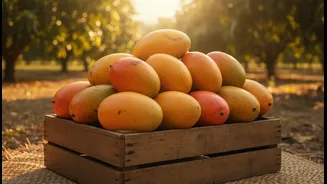
Perhaps the most significant impact of these festivals is the direct economic empowerment of farmers. By cutting out middlemen, festivals provide growers a unique platform to sell their produce directly to consumers and bulk buyers, often securing better prices. For example, initiatives like the UP Mango Festival, started in 2013, were founded specifically to boost farmer incomes and visibility. Government-backed festivals in states like Haryana and Tripura have also been launched with the explicit goal of strengthening the local horticulture industry and expanding market access for growers. These events often include buyer-seller meets and workshops, helping farmers understand export requirements and modern quality standards, thereby transforming a simple fruit stall into a gateway to national and international markets.
A Living Library for Climate Resilience
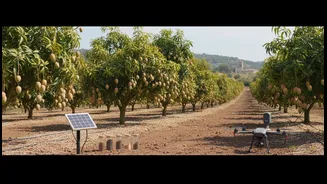
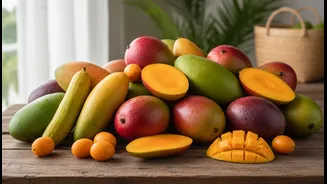
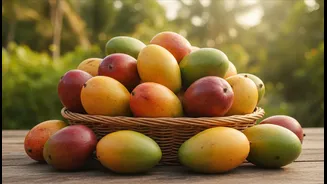
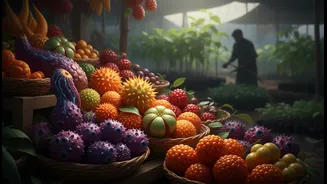
As climate change brings unpredictable weather—from erratic rains to intense heatwaves that can devastate crops—preserving agricultural biodiversity has become critical. Mango festivals are emerging as crucial venues for this cause. Events in Lucknow have showcased over 800 mango varieties, while festivals in Kannapuram, Kerala, and Pune focus on documenting and conserving hundreds of indigenous types. These heirloom varieties are not just a matter of nostalgia; many possess unique traits for resisting pests or surviving drought, making them a vital genetic resource for developing climate-resilient farming practices. Festivals in Goa have become forums where agricultural officials and farmers explicitly discuss the need for new technologies to combat the adverse effects of climate change on mango cultivation.
Preserving a Rich Culinary Heritage
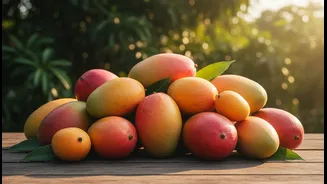
Beyond the raw fruit, mangoes are deeply woven into India’s culinary tapestry. Festivals play a key role in keeping this heritage alive. They showcase a vast array of traditional mango products, from pickles and chutneys to aam papad and refreshing squashes. Cooking contests and demonstrations featuring renowned chefs inspire both traditional preparations and innovative new dishes, bridging the gap between generations. By celebrating the diverse ways mangoes are consumed, from regional specialities to gourmet desserts, these festivals ensure that culinary traditions are not just remembered but are actively practised and passed on to a new audience, keeping the cultural significance of the fruit as rich as its flavour.