

In a world of instant noodles and quick-commerce groceries, a quiet, delicious revolution is taking place in Indian kitchens. Families are consciously turning away from processed meals and rediscovering the wisdom of their grandparents' cooking.
The Real Cost of Convenience
For years,
the modern Indian household has been in a race against time. The allure of ultra-processed foods (UPFs) — from packaged snacks and sugary drinks to ready-to-heat meals — offered a tempting solution for busy urban lives. This convenience, however, came at a significant cost. A growing body of research has linked the rising consumption of UPFs in India to an explosion in non-communicable diseases (NCDs) like diabetes, heart conditions, and obesity. Doctors report seeing these conditions, once associated with old age, in increasingly younger patients. The high content of salt, unhealthy fats, and sugar in these factory-made products has been shown to contribute directly to high blood pressure and increased bad cholesterol, putting immense strain on the nation's health.
A Return to Roots for Better Health
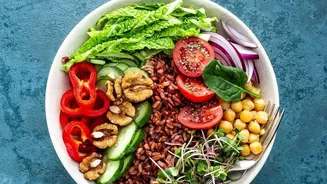
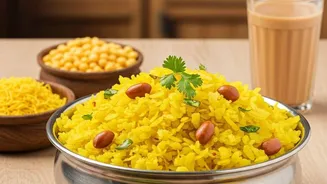
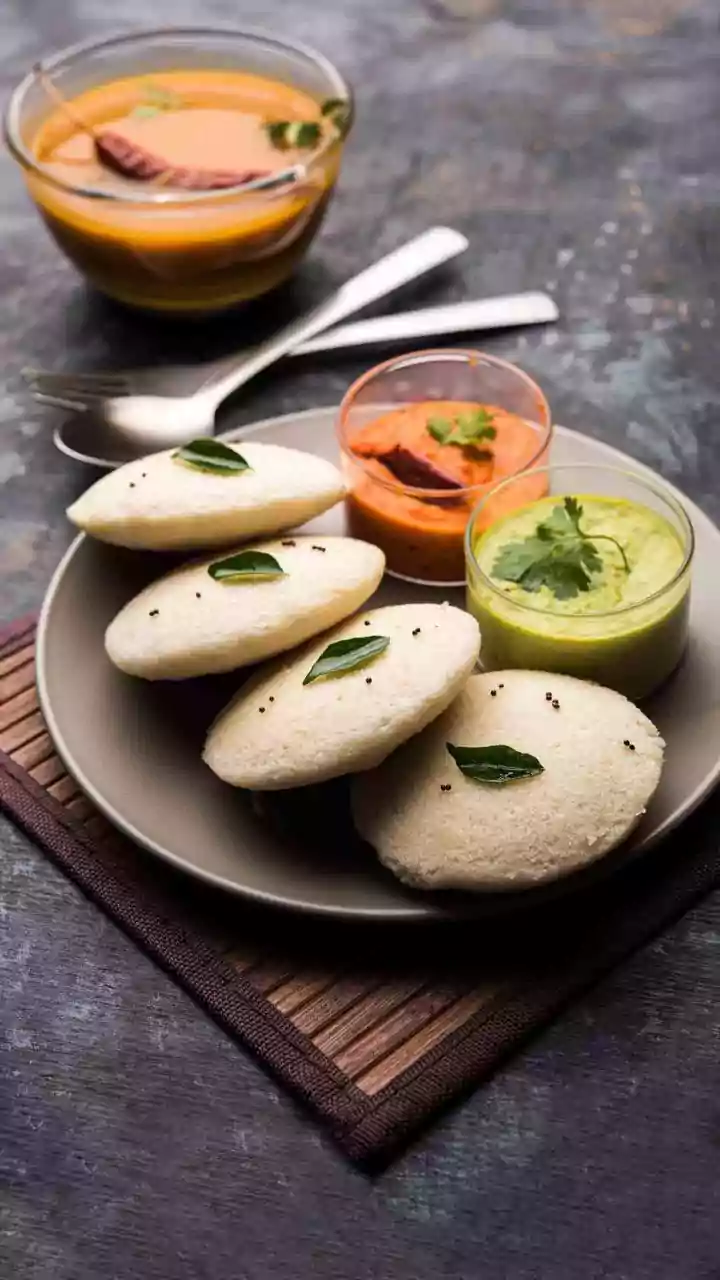
This public health crisis has served as a powerful wake-up call. Many families are now intentionally swapping processed items for the balanced, nutritious meals they grew up with. This return to tradition is not just about nostalgia; it's a conscious health movement. Traditional Indian diets, centered on fresh vegetables, lentils, whole grains, and a symphony of spices, are naturally rich in fibre, vitamins, and minerals. Cooking methods like steaming, tempering (tadka), and slow-cooking (dum pukht) not only enhance flavour but also preserve the nutritional value of the ingredients. This shift is validated by science, with studies confirming that traditional Indian plant-based diets lead to healthier gut microbiomes compared to Westernised eating habits.
The Mighty Millet Makes a Comeback
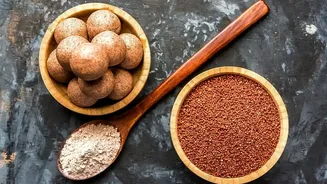
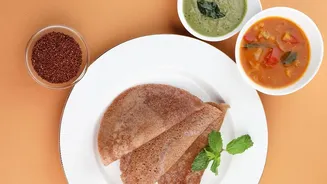
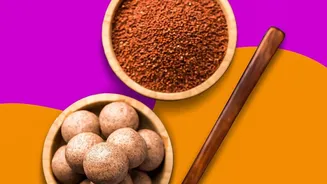
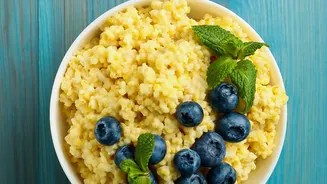
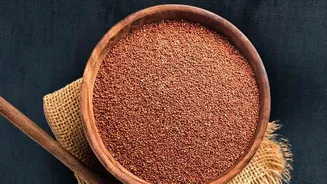
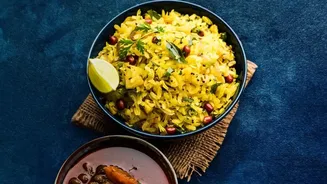
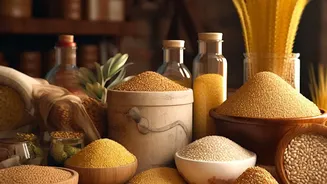
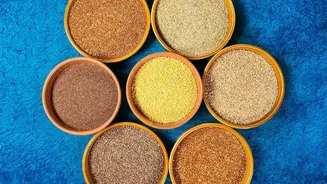
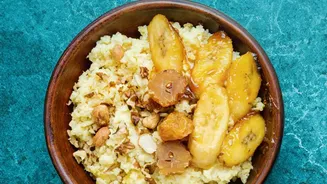
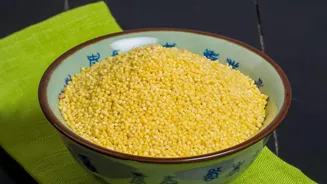
Central to this culinary revival is the rediscovery of ancient grains, especially millets. For centuries, millets like ragi (finger millet), jowar (sorghum), and bajra (pearl millet) were staples across India. Packed with nutrients, they were gradually sidelined by polished rice and refined wheat. Today, their comeback is driven by their incredible health benefits. Millets are naturally gluten-free, high in fibre, and rich in essential minerals like calcium, iron, and magnesium. With a low glycaemic index, they release energy slowly, preventing the blood sugar spikes associated with processed carbohydrates, making them ideal for managing diabetes and heart health. From ragi porridge and jowar rotis to bajra khichdi, families are seamlessly incorporating these powerhouse grains back into their daily meals.
Grandmother's Wisdom in the Digital Age
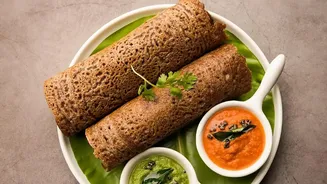
This movement isn't about rejecting modernity but integrating old wisdom with new tools. While the knowledge of traditional recipes is being passed down through generations, social media and the internet have become vast, open-source cookbooks. Food bloggers, culinary historians, and even family-run YouTube channels are documenting and sharing heirloom recipes that were once at risk of being forgotten. This digital renaissance allows a new generation of home cooks to access the culinary secrets of their ancestors, from a specific region's unique masala blend to the art of making the perfect fermented dosa batter. It ensures that this precious cultural knowledge is preserved and continues to evolve.
More Than Just a Meal
Ultimately, the return to traditional cooking is about more than just nutrition; it's a way of strengthening family bonds and cultural identity. The act of cooking and sharing a meal is a primary language of love and care in Indian households. It's in the grandmother who remembers a favourite dish or the family members who chop, stir, and taste together in the kitchen. These shared moments create a sense of belonging that a takeaway meal rarely can. The aromas and flavours of home cooked food are tied to memory and comfort, offering an emotional satisfaction that processed foods cannot replicate. This trend is a reaffirmation that food is not just fuel, but a celebration of health, heritage, and home.