



The Science of Suede's Suffering
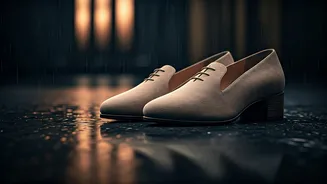
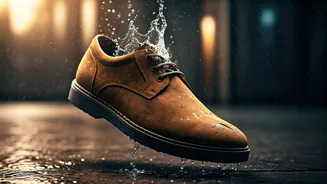
So, what’s the big deal? Can a little water really be that bad? For suede, the answer is a resounding yes. Unlike regular leather, suede is made from the underside of the animal skin, giving it that signature soft, fuzzy, napped texture. This texture,
however, is also its greatest weakness. Suede is incredibly porous, meaning it's full of tiny, open pores that are just waiting to absorb moisture. [15] When you step into a classic Mumbai puddle, your suede shoe doesn't just get wet; it acts like a high-fashion sponge. The water soaks deep into the material, leading to a cascade of footwear failures.
A Losing Battle with Stains and Structure
The first thing you'll notice are the dreaded water stains. As the shoe dries, watermarks appear, leaving unsightly, uneven dark patches that are nearly impossible to remove. [15] But the damage is more than just cosmetic. All that absorbed water causes the delicate fibres of the suede to tense up and become stiff and brittle as they dry. [6, 10] That velvety softness you paid for? Gone. Replaced by a crunchy, rough texture. The shoe can also lose its shape, and in the relentless humidity of a Mumbai monsoon, a damp suede shoe becomes a perfect breeding ground for mould and mildew. Your stylish statement piece can quickly turn into a sad, discoloured, and slightly smelly tragedy.
But What About Waterproofing Sprays?
There are countless products on the market that promise to make your suede shoes invincible. These waterproofing sprays work by creating a protective, hydrophobic barrier on the surface of the shoe, causing water to bead up and roll off. [11, 25] And for a light drizzle or an accidental splash, they can be effective. [9] However, these sprays are not magic. They offer water resistance, not a complete waterproof seal. [17] They are no match for the torrential downpours and waterlogged streets of Mumbai in July. Relying on a spray to protect your suede in a monsoon is like bringing a handkerchief to a gunfight; it's a noble effort, but ultimately futile. The sheer volume of water will overwhelm the protective layer, and you'll be right back where you started. Furthermore, sprays need to be reapplied regularly, often every few weeks, to maintain effectiveness. [11, 15]
Emergency Room: If You Absolutely Get Caught
Let's be realistic: accidents happen. If you get caught in an unexpected shower, don't panic. Act quickly. First, gently blot (don't rub!) the excess water with a clean, dry cloth or paper towel. [7] Stuff the shoes with newspaper or absorbent paper to help them retain their shape and draw moisture out from the inside. [6, 7] Let them air dry naturally, away from direct heat like a hairdryer or sunlight, which can cause the material to crack and warp. [12] Once completely dry, use a dedicated suede brush to gently revive the nap and restore some of its texture. [4, 10] It might not be a perfect fix, but it's your best shot at damage control.
Smarter, Stylish Monsoon Alternatives
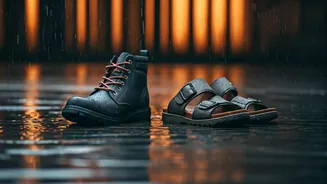
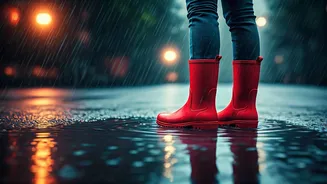
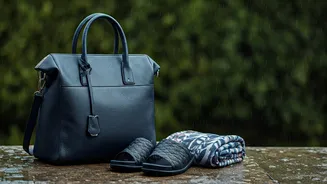
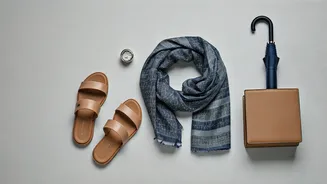
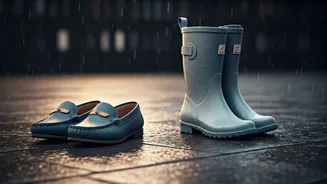
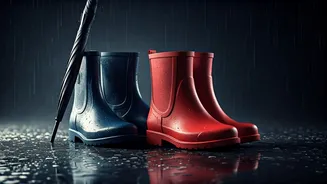
So, what should you wear? The key is to choose materials that are either waterproof or dry quickly and have anti-slip soles. [18] Luckily, monsoon-friendly footwear has become increasingly stylish. Classic rubber boots or gumboots are the undisputed champions of heavy rain, keeping your feet completely dry. [20] For everyday commuting, consider stylish clogs, floaters, or sandals made from EVA or rubber, like those from Crocs or local brands like Paragon and Sparx, which offer great grip and are easy to clean. [14, 16] Water-resistant slip-on shoes, sometimes made from synthetic leather or specially treated materials, are another fantastic option for a more formal look that can still handle a downpour. [18] Many brands now offer dedicated monsoon collections that don't force you to choose between style and dry feet. [2, 16]