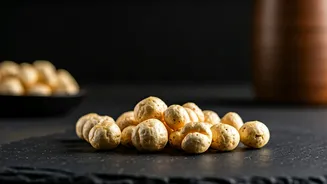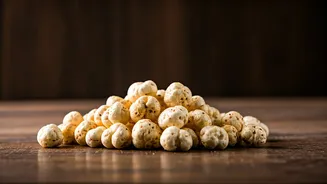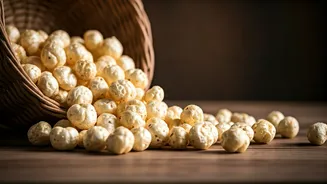




A Nutritional Powerhouse
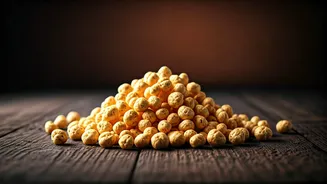
In an age of mindful eating, makhana’s nutritional profile is its superstar quality. Unlike fried chips or processed snacks, it’s naturally low in calories, cholesterol, fat, and sodium. What it lacks in 'bad stuff', it makes up for in 'good stuff'. Fox
nuts are packed with protein, making them incredibly filling and great for muscle repair. They are also a fantastic source of essential minerals like magnesium, which is crucial for heart health and metabolic function, and potassium, which helps regulate blood pressure. Furthermore, they contain kaempferol, a flavonoid known for its anti-inflammatory and antioxidant properties. This impressive resume makes it the perfect guilt-free snack for weight watchers, diabetics, and anyone looking for a healthy alternative.
Incredibly Versatile
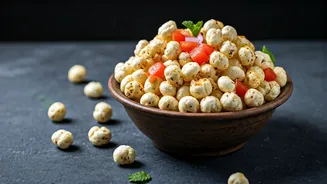
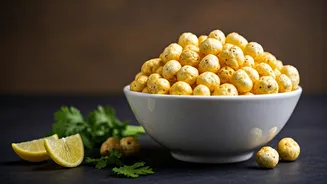
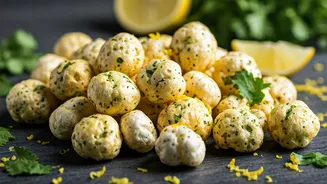
Few snacks can claim the culinary flexibility of makhana. Its neutral, subtle flavour and absorbent, crunchy texture make it a blank canvas for chefs and home cooks. The most common preparation is simple roasting. A teaspoon of ghee, a sprinkle of salt, maybe some black pepper or turmeric, and you have a delicious, addictive snack that’s ready in minutes. But its talents don’t stop there. It can be caramelised for a sweet treat, coated in spices for a savoury ‘chaat’ mix, or ground into flour for gluten-free baking. In North India, it’s a star ingredient in rich curries like ‘Makhane Kaju Matar’ and the celebratory dessert, ‘Makhana Kheer’, where it softens into a creamy, luscious pudding. This ability to transform makes it a fit for any meal, from breakfast to dessert.
Deep Cultural and Religious Roots
Before it became a packaged superfood, makhana was deeply woven into the cultural fabric of India, particularly in the Mithila region of Bihar, its primary growing area. Known as a ‘phool makhana’ (flower makhana), it is harvested from the seeds of the prickly water lily (Euryale ferox). The process is laborious, requiring skilled hands to collect, dry, and roast the seeds until they pop. For centuries, it has been considered a ‘saatvik’ (pure) food, making it an essential part of fasting menus during religious festivals like Navratri and Janmashtami. It provides energy and sustenance without breaking religious dietary rules. This sacred association gives makhana a level of respect and tradition that few other snacks can claim.
The Modern Superfood 'Glow-Up'
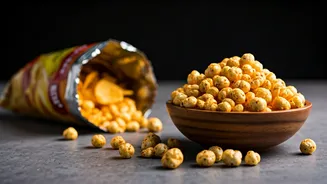
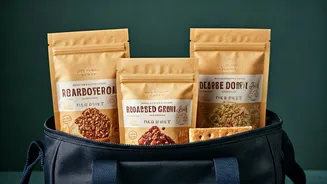
For years, makhana was primarily sold loose in local markets. Its recent explosion in popularity can be credited to smart branding and packaging that repositioned it for the modern, urban consumer. A host of new-age brands recognised its potential, packaging it in convenient, zip-locked bags and offering a variety of ready-to-eat flavours, from ‘Pudina Party’ to ‘Peri-Peri Paradise’. This ‘glow-up’ took makhana from the humble kirana store shelf to the gourmet food aisle of supermarkets and the front pages of health magazines. It became the go-to snack for office workers, fitness enthusiasts, and parents looking for healthy options for their children, proving that a traditional food could perfectly align with contemporary lifestyle trends.
A Snack for Everyone
Perhaps the simplest reason for its widespread love is its universal appeal. Its light, airy crunch is satisfying without being heavy. Unlike nuts, it poses a lower risk for many allergy sufferers. It’s gentle on the stomach and easy to digest, making it suitable for both young children and the elderly. The gluten-free and vegan nature of plain makhana means it caters to a wide range of dietary needs and preferences. It’s the kind of snack a family can share without worry—a healthy bite for the kids, a pre-workout fuel for a teenager, a light snack for parents, and a soft, nutritious option for grandparents. This democratic appeal is what truly cements its place in the Indian heart and home.