





The Shifting Power Dynamics
For the first time in India's history, the combined retail sales of alternative fuel vehicles—comprising Compressed Natural Gas (CNG), hybrids, and Electric Vehicles (EVs)—overtook standalone petrol car sales in August 2026. According to the Federation
of Automobile Dealers Associations (FADA), alternative fuels captured a 41.95% market share, narrowly edging out petrol's 40.85%. This marks a seismic shift from just a year prior, when petrol cars held a dominant 11-point lead. While petrol remains the single largest fuel category, its crown is slipping. This fragmentation isn't driven by a single factor, but a convergence of government policy, running costs, infrastructure development, and evolving consumer priorities.
The Electric Push Meets Reality
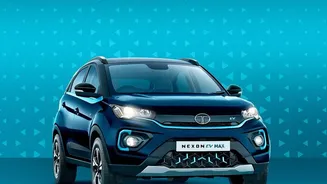
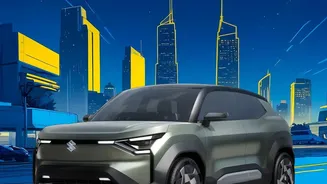
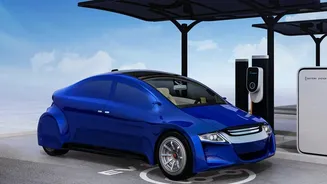
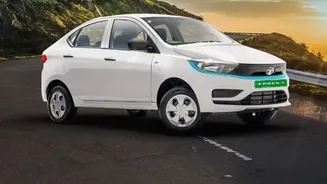
The government's ambition to have EVs constitute 30% of new vehicle sales by 2030 is a major driver of change. Schemes like PM E-DRIVE and Production Linked Incentives (PLI) aim to boost manufacturing and adoption. However, for private car buyers, the direct support is structural rather than cash-based; the primary central benefit is a significantly lower GST rate of 5% on EVs, compared to 28% or more for combustion engine cars. Despite this, significant hurdles remain. High upfront costs, range anxiety, and a still-developing charging infrastructure, particularly outside major urban centres, are primary barriers to mass adoption. While EV sales are growing, with market share hitting a high of 7.7% in August 2026, they are just one part of a much bigger story.
CNG: The People's Alternative
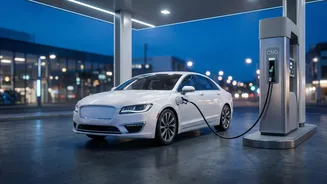
While EVs grab headlines, CNG has quietly become the most significant alternative fuel in India. In August 2026, CNG vehicles alone accounted for over 25% of retail sales, more than triple the share of EVs. The appeal is simple: economics. CNG offers substantially lower running costs compared to petrol, a critical factor for millions of price-sensitive buyers. The expanding network of CNG filling stations has also increased its viability. For many consumers, a CNG car represents a pragmatic and affordable step away from traditional petrol dependency without the range anxiety or high purchase price associated with electric vehicles. The shift has also been partly attributed to consumer hesitation around the new E20 (20% ethanol blend) petrol.
Hybrids and Diesel Find Their Niche
Positioned between combustion engines and pure EVs, strong hybrids are finding favour as a middle-ground solution. They offer enhanced fuel efficiency over petrol models without requiring any charging infrastructure, appealing to buyers who want to save on fuel but aren't ready to commit to a fully electric lifestyle. Meanwhile, the narrative around diesel has become more complex. After being written off by many manufacturers due to the stringent BS6 emission norms, diesel has found a stable footing, particularly in the popular SUV segment. Its market share has hovered around 18%, supported by demand for torque-heavy engines in larger vehicles. Carmakers like Toyota have committed to continuing their diesel offerings, suggesting the fuel will remain relevant for specific use cases for years to come.