






The Challenge of Humid Air
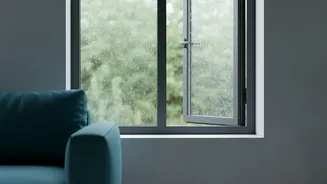
When it's raining and humid outside, the air is saturated with moisture. Opening windows can sometimes make the problem worse by inviting this damp air indoors, leading to a sticky feeling, condensation, and even promoting the growth of mould and mildew.
The key is not to stop ventilation altogether, but to be strategic about how and when you let air circulate. The goal is to balance fresh air intake with moisture control. Health experts recommend keeping indoor humidity levels between 30% and 50% to prevent issues.
Mastering Cross-Ventilation
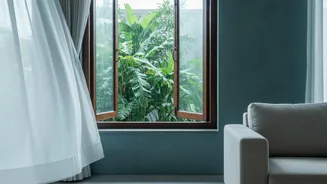
Cross-ventilation is the most effective way to naturally cool and refresh your home. It works by creating a pathway for air to flow through a space, entering from one side and exiting from the other. During periods of high humidity, you can't leave windows open for hours. Instead, practice 'shock ventilation'. When there's a break in the rain, open windows and doors on opposite sides of your home for just 5-10 minutes. This is long enough to flush out stale, humid air and replace it with fresh air without drastically increasing indoor moisture levels. Even cracking open a window on the windward side and another on the opposite side can create a helpful breeze.
Use Your Fans Wisely
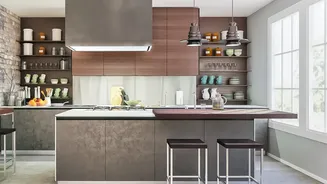
Fans don't remove humidity, but they are crucial for keeping air moving, which helps prevent moisture from settling on surfaces and creating that stagnant feeling. Use your ceiling fans to create a downdraft, which produces a cooling breeze. Most importantly, run exhaust fans in your kitchen while cooking and in your bathroom during and after a shower. These fans are designed to pull moisture-laden air directly out of your home, making them one of your best tools against humidity. For best results, run a bathroom fan for at least 20 minutes after a shower to clear out the steam.
Control Moisture at the Source
Much of the humidity in a home is generated indoors. You can significantly lower moisture levels by managing these sources. Avoid drying clothes inside; if you must, do it in a single, well-ventilated room with an exhaust fan or dehumidifier running. When cooking, always use lids on your pots and pans to reduce the amount of steam released into the air. Check for and promptly fix any leaks in your plumbing or roof, as these are constant sources of unwanted moisture. Even the number of indoor plants can contribute, so consider moving some to a balcony or a single well-ventilated area during the peak rainy season.
Consider a Dehumidifier
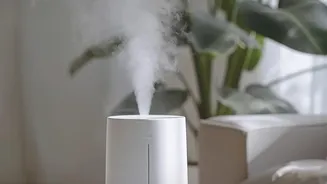
For homes in extremely humid climates or rooms that are perpetually damp (like basements), a dehumidifier is a highly effective solution. These appliances work by pulling moisture directly from the air, helping to maintain a comfortable and healthy indoor environment. Place them in areas prone to dampness like bathrooms, laundry rooms, and closets. If a dehumidifier isn't an option, you can use natural moisture-absorbing materials in small, enclosed spaces like cupboards and wardrobes. Bowls of rock salt, baking soda, or charcoal can help absorb excess moisture from the air.