



Beyond Tidy: What 'Lived-In' Really Means
First, let’s clear up a misconception: 'lived-in' does not mean messy or cluttered. It’s a deliberate design choice that prioritises comfort, personality, and authenticity over sterile perfection. Think of it as the opposite of a pristine showroom or a minimalist
hotel room. A lived-in space tells a story. It’s a curated collection of items you love, from the well-worn armchair inherited from your grandmother to the stack of books on your bedside table and the art you picked up on your travels. It’s a style that embraces imperfection and celebrates the beauty of everyday life, making it a welcoming and functional backdrop for the complex demands of a hybrid work schedule.
Embrace Imperfection to Reduce Stress
When your home is also your office, the pressure to maintain a perfect environment can be an added source of stress. A perfectly organised, minimalist space can feel fragile, as if one misplaced coffee mug could ruin the entire aesthetic. The lived-in approach is more forgiving. It finds beauty in the slightly faded rug, the mix-and-match dining chairs, and the natural patina of a wooden desk. This philosophy, similar to the Japanese concept of wabi-sabi, encourages acceptance of the imperfect and transient. For a hybrid worker, this translates into a lower-stress environment where you don’t have to worry about maintaining a flawless facade. It’s a home that allows you to breathe, focus on your work, and then seamlessly transition to relaxation without feeling judged by your surroundings.
Layer Textures for All-Day Comfort
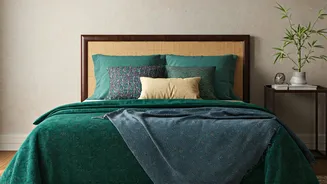
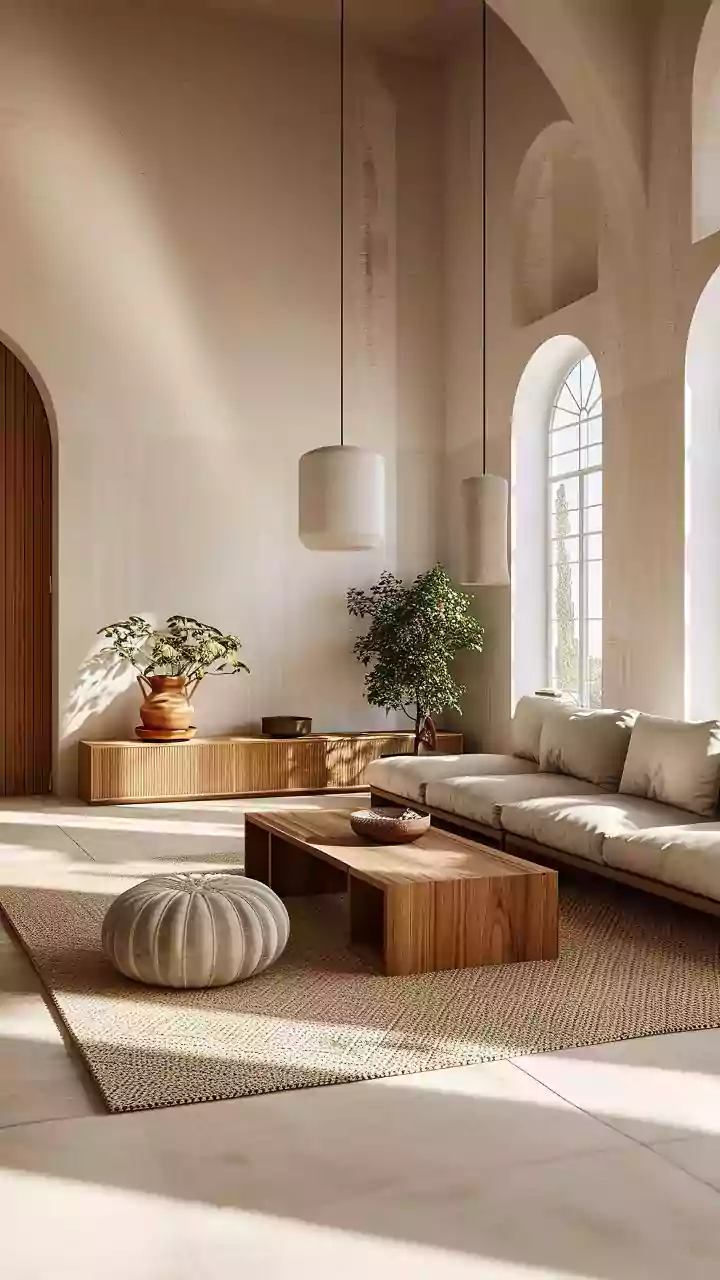
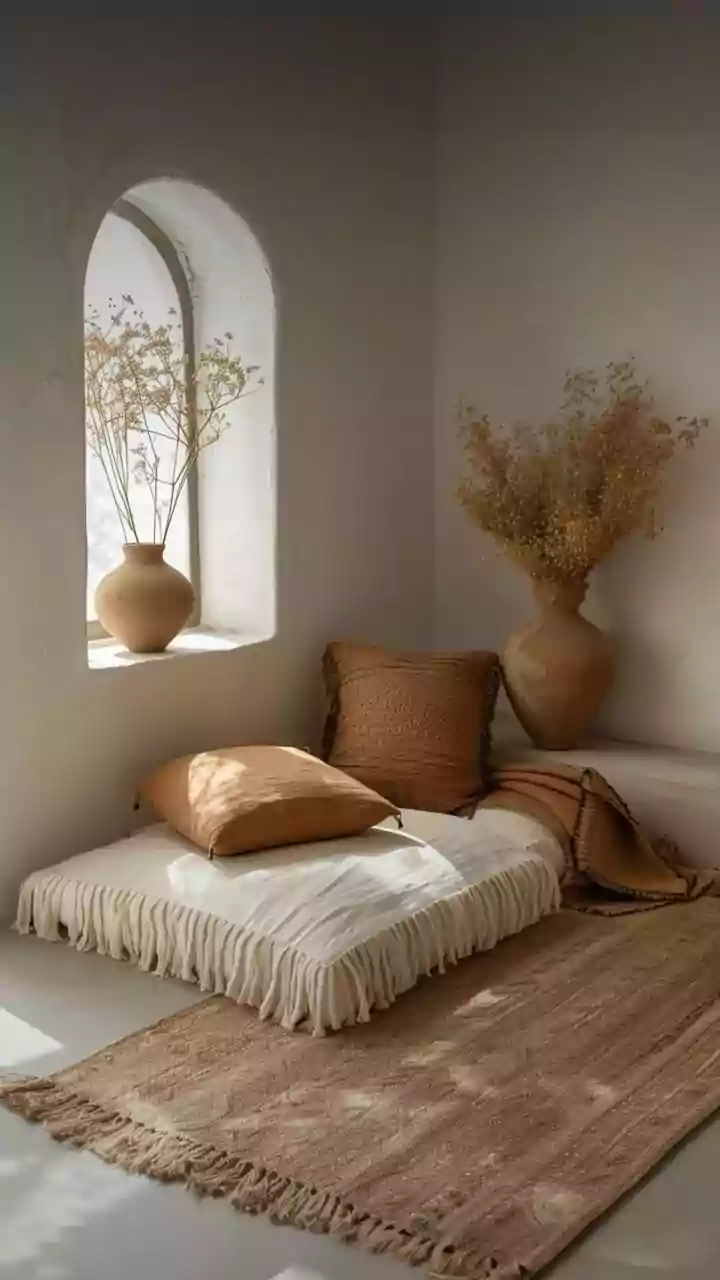
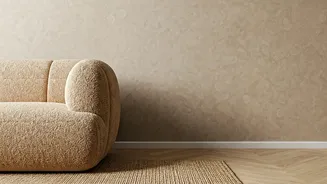
One of the hallmarks of a lived-in interior is its rich layering of textures. This is where the style truly shines for hybrid workers. Your home office can’t just be about ergonomic efficiency; it also needs to be a place of comfort. Start by layering soft elements: a plush rug under your desk, a soft sheepskin throw over your office chair for breaks, and comfortable cushions on a nearby sofa. Mix materials like wool, linen, wood, and leather. These textural layers do more than just make a room feel cosy. They help absorb sound, making your space quieter for conference calls. They also create distinct sensory zones, helping your brain differentiate between 'work mode' at your textured desk area and 'relax mode' on the soft, inviting sofa just a few feet away.
Create Functional and Flexible Zones
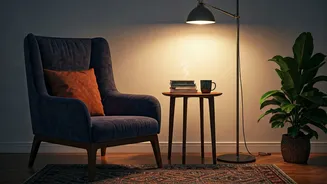
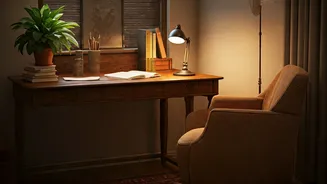
The modern hybrid worker needs a home that can transform throughout the day. The lived-in style excels at creating these multi-functional zones without making the space feel like a corporate office. Instead of a sterile, dedicated office room, you might have a beautiful vintage writing desk in the corner of your living room that doubles as a console table when not in use. A comfortable, stylish armchair can be your spot for morning emails with a laptop and your evening reading nook. The key is choosing pieces with character that serve multiple purposes. Use area rugs, strategic lighting (like a focused task lamp at your work spot and a warm floor lamp for the evening), and movable furniture to subtly define areas without putting up walls.
Display Your Story and Personality
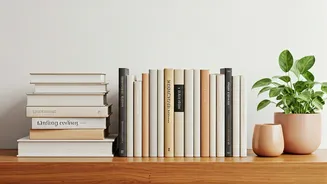
Working from home can sometimes feel isolating. A lived-in interior counteracts this by surrounding you with objects that have personal meaning. This is your chance to turn your workspace into a personal sanctuary rather than a satellite office. Frame and hang photos of loved ones, display souvenirs from your favourite trips, and let your book collection become a design feature. Having these personal touchstones in your line of sight provides small moments of joy and connection throughout the workday. It’s a constant, subtle reminder of your life outside of work, which can help maintain perspective, boost creativity, and make your home office feel less like a place you *have* to be and more like a space that truly reflects who you are.
Prioritise Versatile, Inviting Furniture
While ergonomic support is important, the lived-in approach encourages you to think beyond the standard black mesh office chair. Look for furniture that blends form and function with comfort and character. Perhaps it’s a beautifully upholstered dining chair that’s comfortable enough for a few hours of work, or a solid wood desk that has a history. Storage is another key area. Instead of metal filing cabinets, consider a vintage credenza or a bookshelf with attractive woven baskets to hide away cables and paperwork at the end of the day. This type of furniture helps your work essentials blend into your home decor, making the transition from 'work' to 'home' as simple as closing a laptop and shutting a drawer.