


General Outlook for November
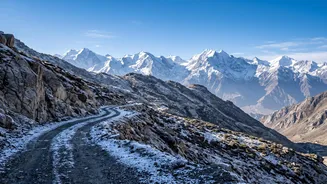
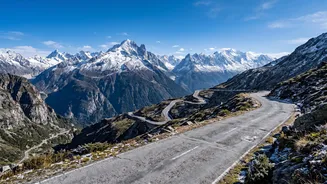
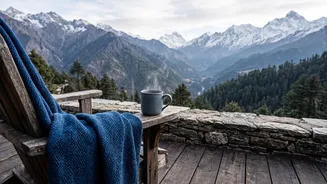
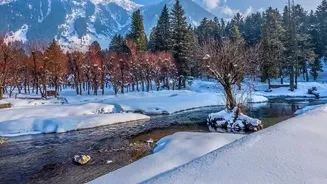
November is a shoulder season in the Indian Himalayas. The monsoon has passed, and heavy winter snow has yet to arrive in most lower-altitude destinations. This means stunning mountain views under clear blue skies. However, it's also a month of change.
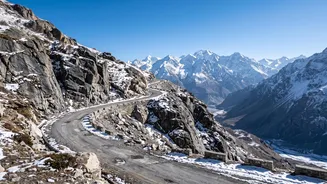
Higher passes begin to close due to snow and ice, and pilgrimage seasons draw to an end. Temperatures drop significantly, especially at night, requiring proper winter clothing. Travellers must check weather forecasts and road status frequently, as conditions can change rapidly. Flexibility is key, as a sudden cold snap can alter travel plans. Always have backup routes and be prepared for chilly weather, even in popular towns like Manali and Shimla.
Uttarakhand: End of the Yatra Season
For Uttarakhand, November marks the conclusion of the Char Dham Yatra. The sacred temples of Yamunotri, Gangotri, and Kedarnath typically close for the winter around Bhai Dooj, which falls in mid-November. The Badrinath temple usually follows, closing a few days later. For 2026, tentative closing dates are around November 10-13. Once the temples close, associated services and accommodations in these high-altitude areas shut down. While general travel to other parts of Uttarakhand like Mussoorie and Nainital remains open, all pilgrims for the Char Dham Yatra must complete a mandatory registration process, which can be done online. Additionally, the government often imposes a ban on night travel on Yatra routes for safety, typically restricting vehicle movement between 10 PM and 4 AM.
Himachal Pradesh: High Passes and Permits
Himachal Pradesh remains largely accessible in November, but high-altitude routes require caution. The popular Rohtang Pass near Manali usually closes by mid-November, if not earlier, due to snowfall. This cuts off road access to Lahaul and Spiti via Manali. The Srinagar-Leh highway, another route to Ladakh, also typically closes in mid-to-late November. Tourists planning to visit areas like Solang Valley or Sissu (via the Atal Tunnel) should be prepared for cold weather but will find them open, weather permitting. While no special permits are needed for most tourist towns like Shimla, Manali, and Dharamshala, always check with the Himachal Pradesh State Disaster Management Authority (HPSDMA) for the latest road advisories before travelling on higher routes.
Ladakh: Permits and Air Travel
By November, air travel is the most reliable way to reach Leh, as both the Manali-Leh and Srinagar-Leh highways are at high risk of closure. Even for those who fly in, acclimatization is crucial. Plan for at least two days of rest in Leh to adjust to the high altitude (3,500m) before venturing further. To visit popular areas like Nubra Valley, Pangong Lake, and Tso Moriri, all tourists—both Indian and foreign—need a permit. For Indian citizens, this is an Inner Line Permit (ILP), which can be obtained by paying an environment fee online via the official Leh administration portal. Foreign nationals require a Protected Area Permit (PAP), which must be arranged through a registered local travel agent. You will need to carry printed copies of your permit and valid ID at all times.
Sikkim: Navigating Restricted Areas
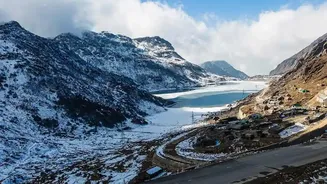
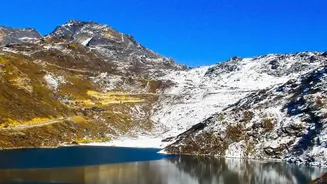
Sikkim's proximity to international borders means several areas are classified as restricted and require permits for all visitors, including Indian citizens. For Indians, a Protected Area Permit (PAP) is needed to visit places like Tsomgo Lake, Nathula Pass, and North Sikkim (Lachung, Lachen, Gurudongmar Lake). These permits are typically arranged by government-registered travel operators in Gangtok a day in advance. Foreign nationals need a Restricted Area Permit (RAP) to enter Sikkim itself. This permit must be applied for online before entering the state and is generally granted to groups of two or more people travelling with a registered operator. Solo foreign travellers may face restrictions. For certain treks and remote areas, additional special permits are required, which are also processed through approved agencies.