


The Art of the Diwali Spread
Planning the Diwali menu for guests is a masterclass in balance. It’s not just about piling up treats; it's a curated experience designed to delight every visitor who walks through the door. The goal is a harmonious mix of sweet (mithai) and savoury (namkeen
or farsan), with a variety of textures and flavours. A typical spread features something crispy, something soft, something syrupy, and something dry. This ensures that whether a guest drops in for a quick chat or a longer visit, there is a perfect bite to offer. The planning often begins weeks in advance, starting with a deep clean of the kitchen and the purchase of special ingredients, setting the stage for the culinary marathon to come.
Tradition from the Home Kitchen
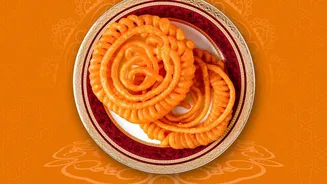
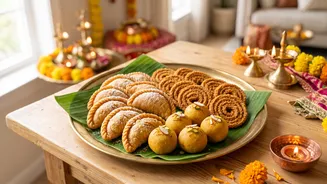
For many families, Diwali is incomplete without the aroma of homemade delicacies. Certain items are non-negotiable and must be made from scratch, as they carry the weight of family tradition and love. These often include complex snacks like Chakli (a spiral-shaped fried snack also known as Murukku) and sweets like Besan Ladoo or Gujiya. Making these items is a ritual in itself, often a group activity where recipes are passed down and stories are shared. The effort poured into these homemade heroes is a gesture of affection, a way of offering guests something truly special that cannot be bought. These are the flavours that define Diwali for many, evoking nostalgia and the comfort of home.
Smart Outsourcing for Sanity
While homemade is heart, smart hosts know that trying to do everything is a recipe for burnout. Strategic outsourcing is key to enjoying the festival. This is where the city’s best sweet shops come in. Items that are difficult or time-consuming to perfect, like Kaju Katli, Soan Papdi, or delicate Bengali sweets like Rasgulla, are often purchased. Gifting these professionally made sweets is also a huge part of the tradition. Many households create a hybrid plan: they focus on making a few signature savoury snacks at home while buying the bulk of the mithai. This ensures a high-quality, diverse offering without overwhelming the home cook.
More Than Just Mithai
While sweets are the stars of Diwali, the savoury snacks, collectively known as 'farsan' or 'namkeen', are the essential supporting cast. They provide a much-needed counterpoint to the sweetness. A well-stocked pantry will include a variety of these dry snacks that can be made in advance. Popular choices include Chivda (a seasoned mixture of flattened rice), Mathri (a crispy, flaky biscuit), and Sev (crunchy chickpea flour noodles). These savoury items are perfect to serve with tea and can be stored in airtight containers for weeks, ensuring the household is always prepared for unexpected guests.
Welcoming the New Wave
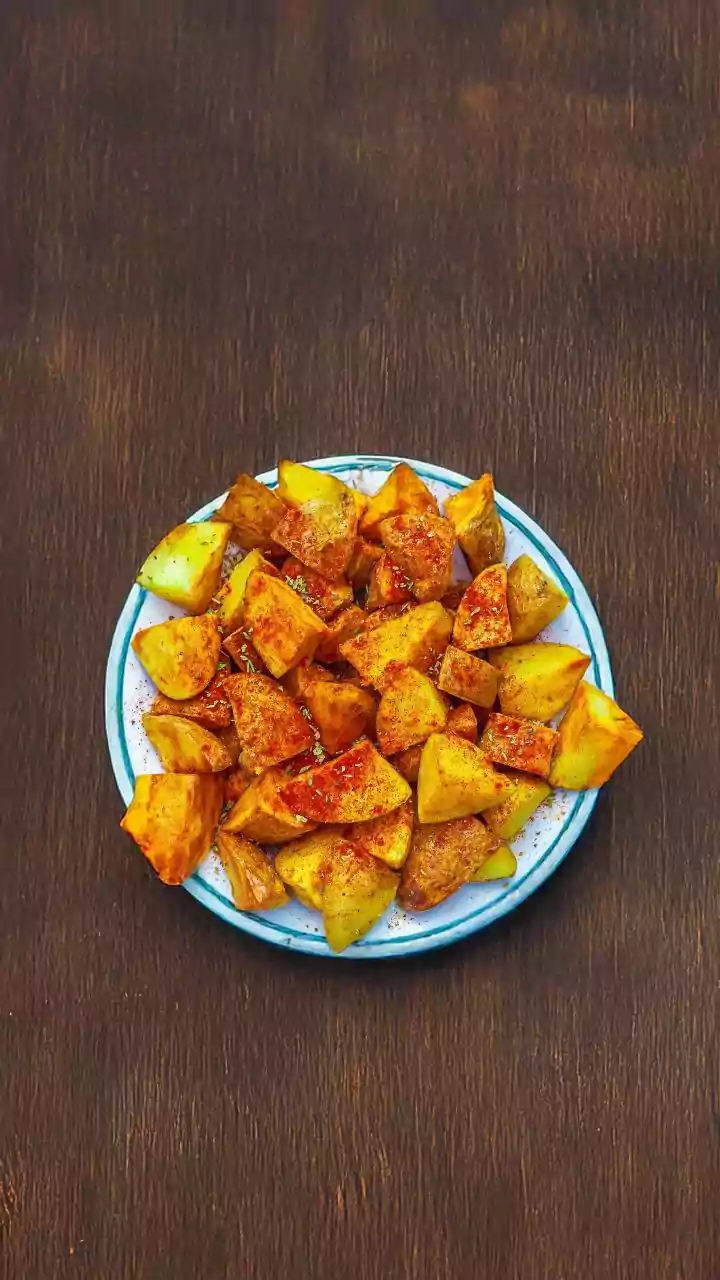
As health consciousness grows, Diwali planning has evolved. Hosts are now more mindful of their guests' dietary preferences. The modern Diwali platter often includes healthier alternatives alongside the classics. Baked versions of traditionally fried snacks like Chakli and Samosas are becoming popular. Sweets made with natural sweeteners like jaggery, dates, or figs are also on the rise. You might find Ragi Ladoos next to Besan Ladoos, or baked sweet potato tikkis alongside fried ones. This inclusive approach ensures that everyone, from the traditionalist to the health-focused friend, feels welcomed and catered to.