


Mawlynnong, Meghalaya
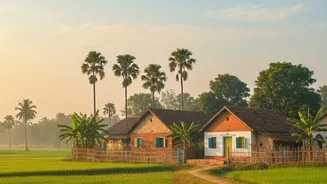
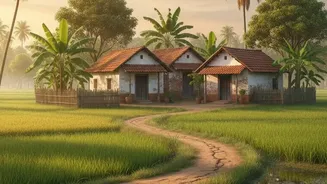
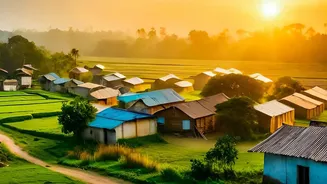
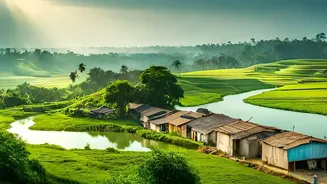
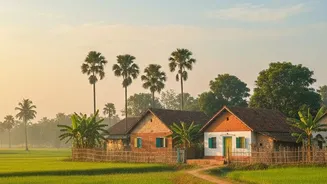
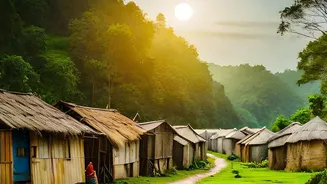
Often cited as 'Asia's Cleanest Village', Mawlynnong is a testament to community spirit and harmony with nature. Located in the East Khasi Hills, this village is a living postcard of tidiness and charm. Flower-lined stone pathways wind between traditional
bamboo houses, each with its own manicured garden. The community's commitment to cleanliness is a tradition, with bamboo dustbins a common sight and a ban on plastic strictly enforced. Beyond its pristine environment, Mawlynnong is famous for its living root bridges, particularly the one in the neighbouring village of Riwai, and a skywalk made of bamboo that offers panoramic views of the plains of Bangladesh. The village also boasts a 100% literacy rate, reflecting a deep-seated community value for education.
Ziro Valley, Arunachal Pradesh
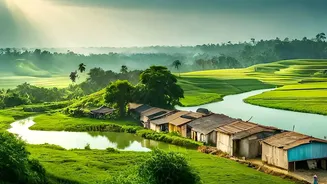
A patchwork of emerald rice paddies and dense pine forests, Ziro Valley is a serene haven in the Eastern Himalayas. This UNESCO World Heritage-nominated site is home to the Apatani tribe, known for their unique sustainable farming practices of wet rice cultivation combined with fish farming. A walk through Apatani villages like Hong and Hari reveals traditional bamboo houses built on stilts and offers a glimpse into a culture that lives in close harmony with nature. For breathtaking panoramic views, a trek to Kile Pakho ridge is a must, offering a vista of the valley on one side and the snow-capped Himalayan peaks on the other. The valley also hosts the popular Ziro Music Festival every September, an outdoor event that draws independent artists and music lovers from across the country.
Landour, Uttarakhand
Just a short distance from the bustling hill station of Mussoorie lies its quieter, more charming cousin, Landour. This old British cantonment town seems frozen in a colonial past, with its winding 'Chukkar' walk, stone churches, and quaint cottages. Deodar and pine forests envelop the town, creating a tranquil atmosphere perfect for long walks. Key spots include Lal Tibba, the highest point, which on a clear day provides stunning views of Himalayan peaks like Bandarpunch and Nanda Devi. The iconic Char Dukan area serves up delicious pancakes and Maggi, while the historic St. Paul's Church, built in 1839, adds to the town's old-world feel. Landour was also home to the famous author Ruskin Bond, and its serene environment continues to inspire artists and writers.
Majuli, Assam
Majuli is not just a village but the world's largest river island, nestled in the mighty Brahmaputra River. It is the cultural heart of Assam and a centre for Neo-Vaishnavite traditions, established by the saint Srimanta Sankerdeva in the 16th century. The island is dotted with 'Satras' or monasteries, which are living centres of art, music, dance (like the classical Sattriya), and theatre. Life here is rustic and revolves around the river. You can explore villages inhabited by the Mishing tribe, identifiable by their unique stilted bamboo houses, and observe traditional mask-making and pottery. The best time to visit is during the winter months or for the Raas Leela festival in November.
Khonoma, Nagaland
Known as India's first 'Green Village', Khonoma is a remarkable story of conservation and community effort. Located about 20 km from Kohima, this Angami Naga village is a beautiful expanse of terraced fields carved into the hillsides and lush forests. Historically known for its fierce warriors who resisted British rule, the village has now channelled that spirit into protecting its environment. In 1998, the village council established the Khonoma Nature Conservation and Tragopan Sanctuary (KNCTS) and banned hunting to protect the endangered Blyth's tragopan. Today, visitors can walk through stone-paved lanes, learn about the village's unique alder-based farming system, and stay in homestays run by the local community.
Kalpa, Himachal Pradesh
Situated high in the Kinnaur district, Kalpa offers one of the most majestic views of the Kinner Kailash range. This small town is a stunning blend of apple orchards, pine-nut forests, and traditional Kinnauri architecture. The village seems to wake up with the morning sun casting a golden glow on the sacred peaks. A walk through the village reveals intricately carved wooden temples and monasteries that reflect a unique blend of Hinduism and Buddhism. The best time to visit is during the summer months from April to June for pleasant weather, or in September and October for the apple harvesting season when the orchards are laden with fruit.
Munsiyari, Uttarakhand
Aptly named the 'Place with Snow', Munsiyari is a small town in the Pithoragarh district that serves as a gateway to the high Himalayas. Its primary draw is the breathtaking, direct view of the five peaks of the Panchachuli massif, which according to legend were the five cooking hearths of the Pandavas. This quiet hamlet is a base for several challenging treks to glaciers like Milam, Ralam, and Namik. For those looking for a more relaxed experience, short hikes to places like the Nanda Devi Temple or just gazing at the sunrise turning the peaks golden from a hotel balcony are equally rewarding. The area is also rich in flora and fauna, making it a paradise for nature lovers.
Valparai, Tamil Nadu
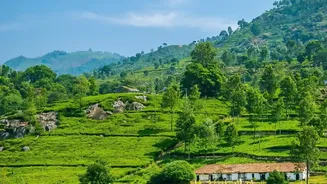
Blanketed in a sea of green, Valparai is a serene hill station in the Annamalai Hills of the Western Ghats, surrounded by endless tea and coffee plantations. Unlike more commercialized hill stations, Valparai is about immersing yourself in nature. The journey itself is spectacular, with winding roads cutting through dense forests and tea estates. The area is part of the Indira Gandhi Wildlife Sanctuary and is a hotspot for biodiversity, where you might spot elephants, leopards, and the rare lion-tailed macaque. You can visit a tea factory to learn about the production process, go for a walk along the Sholayar Dam reservoir, or simply relax and enjoy the cool, misty climate.