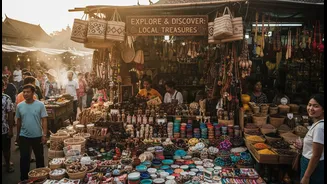









The Rise of Instant Authenticity
The modern travel landscape, particularly in Asia, is saturated with platforms offering instant, bookable 'experiences'. From a sunrise trek packaged with breakfast to a two-hour craft workshop, the appeal is undeniable. It offers travellers a sense of security
and a curated taste of local culture without the friction of independent planning. This model thrives on the visual economy of social media, where a picture-perfect moment often stands in for a genuine connection. But as we fill our itineraries with these bite-sized activities, we must ask what is being lost. The very ease that makes these experiences popular can also strip them of their depth, turning rich cultural practices into simple, marketable products.
The Hidden Cost of Convenience
When a slick international platform facilitates your 'local' experience, a significant portion of your money often leaves the community you've come to visit. This phenomenon, known as economic leakage, is a major challenge in the tourism industry. Instead of profits flowing to local families and businesses, they are channelled to corporate headquarters far away. Furthermore, when tourism is not managed by the community itself, it can lead to cultural commodification. Sacred rituals, traditional crafts, and daily life can become performances for an audience, losing their original meaning. What seems like a harmless tour might inadvertently support a model that displaces local livelihoods or presents a distorted, hollowed-out version of a culture for tourist consumption.
What Community-Led Travel Truly Means
Community-led tourism (CBT) offers a powerful alternative. It is defined by local ownership and management, ensuring that the people whose culture and land you are visiting have control over the experience and its benefits. This model is not about roughing it or forgoing comfort; it is about a fundamental shift in power and purpose. In CBT initiatives, revenue stays local, providing stable employment, funding for schools and infrastructure, and empowering women. It fosters a sense of pride and encourages the preservation of both cultural heritage and the natural environment. From homestays in the Indian Himalayas to eco-tours in Thai villages, CBT allows travellers to have a real, immersive experience because it is rooted in the community's daily life, not a script designed for tourists.
From Consumption to Connection
The core difference lies in the traveller's mindset. Are we visiting a place to consume it, ticking off a list of pre-approved experiences? Or are we seeking a genuine connection with the place and its people? Easily bookable experiences often frame the traveller as a customer buying a product. Community-led travel, on the other hand, positions the traveller as a guest. This simple change in perspective has profound implications. As a guest, one is more inclined to listen, to learn, and to adapt. The interactions are more likely to be authentic and mutually respectful. Choosing a community-run guesthouse or a local, independent guide might require a little more research, but the reward is an experience that is far richer and more meaningful than any pre-packaged tour.
How to Be a More Mindful Traveller
Making this shift doesn't mean rejecting all organised activities. It means being more conscious of where your money is going and what your presence supports. Before booking, ask critical questions. Is this business locally owned? Do they employ local people in meaningful roles? Do they have a clear policy on environmental and social responsibility? Look for operators who partner directly with communities. In countries like India, several organisations facilitate city walks led by former street children or stays in eco-luxury hotels that prioritize sustainability. In parts of Southeast Asia, you can find initiatives that ensure over 85% of tourism revenue remains in the local village. Opting for these demonstrates that traveller demand is shifting towards a more equitable and sustainable model.