





The Quintessential Bhutta (Corn)
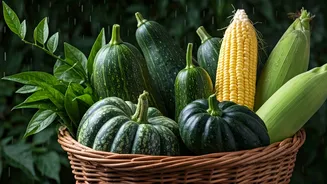
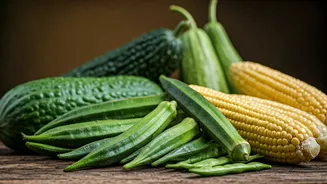
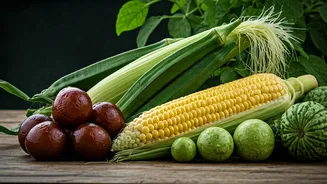
Is it even monsoon without the sight of a street vendor expertly roasting bhutta over a small coal fire? The smoky aroma of charred corn, slathered with butter and a zesty mix of salt, red chilli powder, and lime juice, is the very essence of the season.
Beyond the cob, sweet corn kernels find their way into everything from warm soups and savoury pakodas to vibrant salads. Corn is not just delicious; it is also a good source of fibre and antioxidants, making it a wholesome snack to enjoy while watching the rain fall.
The Misunderstood Karela (Bitter Gourd)
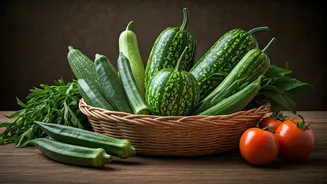
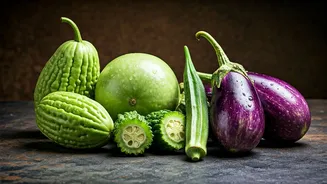
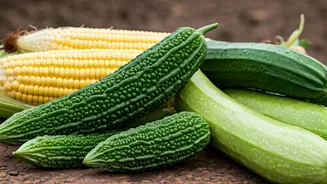
Bitter gourd often gets a bad rap, but the monsoon is its time to shine. Traditional wisdom holds that its bitter properties help boost immunity and aid digestion, which can be sluggish during the humid months. Indian kitchens have mastered the art of taming its bitterness. Whether stuffed with a spicy masala filling, sliced thin and fried to a crisp, or simmered in a tangy curry, karela is a nutritional powerhouse. Rich in vitamins C and A, it’s a vegetable that truly proves that what’s good for you can also be incredibly flavourful.
The Humble Lauki (Bottle Gourd)
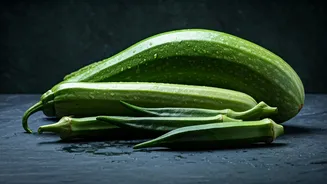
Lauki is the comfort food of the vegetable world, especially during the monsoon. Its light, cooling nature and high water content make it incredibly easy to digest. This versatile gourd has a subtle flavour that allows it to absorb the spices it's cooked with, making it a perfect canvas for a variety of dishes. From simple lauki chana dal and hearty curries to the surprising delicacy of lauki ka halwa, this vegetable is a staple for a reason. It is low in calories and packed with essential nutrients, making it ideal for light, healthy meals during the rainy season.
The All-Rounder Bhindi (Okra)
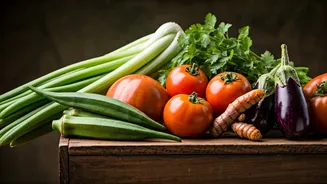
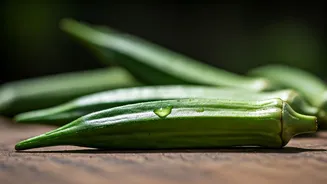
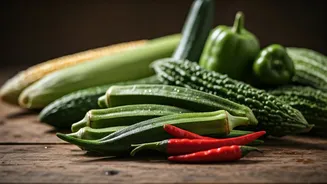
A favourite across the country, bhindi, or okra, is a year-round vegetable that is particularly delightful during the monsoon. Its unique texture can be enjoyed in two distinct ways: either soft and tender in a gravy-based sabzi, or sliced thin and fried to a satisfying crisp as 'kurkuri bhindi'. This versatility makes it a kitchen staple. Okra is a great source of fibre, vitamin C, and vitamin K. A simple bhindi fry, stir-fried with onions, tomatoes, and a few basic spices, is a quick, comforting, and nutritious meal that perfectly complements a rainy day.
The Earthy Arbi (Colocasia Root)
Arbi, also known as colocasia or taro root, is another monsoon gem. Its earthy flavour and starchy texture make it a fantastic ingredient for both dry and gravy-based dishes. When cooked, it becomes wonderfully soft and creamy. A popular preparation is arbi masala fry, where boiled and flattened discs of the root are pan-fried until golden and coated in spices. Furthermore, its large, heart-shaped leaves are used to make 'patra' or 'pathrode', a steamed and fried snack that is a regional delicacy in Western India. Rich in fibre and resistant starch, arbi is a filling and satisfying monsoon vegetable.
The Tender Tinda (Apple Gourd)
Often called the 'apple gourd' for its round shape, tinda is a mild and tender vegetable that flourishes during the monsoon. It has a very delicate flavour, similar to a cucumber, and a high water content. This makes it perfect for light, soupy curries that are both hydrating and easy on the stomach. Tinda is commonly cooked with tomatoes and spices to make a simple, home-style sabzi that pairs beautifully with hot rotis. It’s a vegetable that doesn’t overpower a dish, instead offering a gentle, refreshing taste that is highly appreciated during the humid monsoon weather.