







Beyond the Mouth Freshener
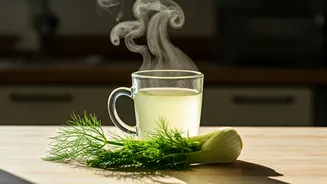
For most of us in India, fennel seeds, or saunf, are the familiar taste at the end of a heavy meal, served as a mouth freshener and digestive aid. But steeping these tiny, aromatic seeds in warm water transforms them into a wellness drink that experts
are increasingly recommending as a solution to the dreaded post-lunch energy dip. This simple concoction is not a stimulant like caffeine. Instead, its magic lies in its ability to support the body's natural processes, particularly digestion, which is often the culprit behind afternoon lethargy.
The Digestion-Energy Connection
Ever wonder why you feel so sleepy after a big meal? It's because your body is diverting a significant amount of energy to the digestive system. Heavy, oily, or complex meals require more work to break down, leading to that sluggish, bloated feeling. This is where fennel water comes in. Fennel seeds contain essential oils like anethole, fenchone, and estragole, which have carminative properties. This means they help soothe the digestive tract, reduce gas, and prevent indigestion. By aiding and speeding up the digestive process, fennel water allows your body to work more efficiently, freeing up energy that would otherwise be spent wrestling with your lunch. A smoother digestive process means less sluggishness and a more stable energy level throughout the afternoon.
A Hydrating and Calming Alternative
Often, what we perceive as fatigue is simply dehydration. A warm, flavourful drink like fennel water is a much more appealing way to hydrate than plain water for many people. Unlike caffeinated beverages, which can have a diuretic effect and sometimes lead to a subsequent energy crash, fennel water is hydrating and calming. The warmth of the water is also beneficial, as it can help to relax the digestive muscles further. This gentle, caffeine-free boost provides sustained alertness without the jitters, anxiety, or disturbed sleep that can come with late-afternoon coffee or strong tea. It’s a way of working with your body, not against it.
Nutritional Perks in Every Sip
While the primary benefit is digestive, fennel seeds are also a quiet powerhouse of nutrients. They are a good source of minerals like manganese, which is important for enzyme activation and metabolism, as well as potassium, magnesium, and calcium. Fennel is also rich in antioxidants like polyphenol antioxidants, which help combat oxidative stress in the body. While a single glass of fennel water won't replace a balanced diet, it contributes to your overall nutrient intake in a small but meaningful way. Think of it as an upgrade to your daily water intake, infusing it with benefits that go beyond simple hydration.
How to Prepare Your Own
Making your own warm fennel water is incredibly simple. There’s no need for complicated equipment or ingredients. 1. **Take one teaspoon** of raw or lightly roasted fennel seeds (saunf). 2. **Lightly crush the seeds** using a mortar and pestle or the back of a spoon. This helps release the essential oils. 3. **Add the crushed seeds** to a cup of hot (not boiling) water. Boiling water can destroy some of the delicate compounds. 4. **Cover the cup and let it steep** for about 5 to 10 minutes. This allows the water to absorb the flavours and beneficial properties of the seeds. 5. **Strain and drink warm.** You can add a few drops of honey or lemon for taste, but it's wonderfully aromatic on its own. For a stronger infusion, you can also soak the seeds in water overnight and gently warm the water (without boiling) in the afternoon before drinking.
A Word of Moderation
While fennel water is generally safe for most people, it’s best consumed in moderation. Due to its potent compounds, excessive consumption could potentially be problematic. People with allergies to plants like carrots or celery might also have a reaction to fennel. Furthermore, pregnant women should consult with their doctor before adding fennel water to their routine, as concentrated amounts of fennel have been traditionally thought to have uterine-stimulating properties. For the average person, one cup in the afternoon is a perfectly safe and beneficial habit.