


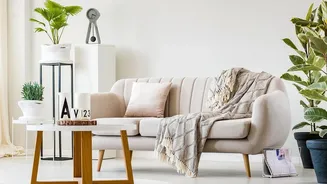
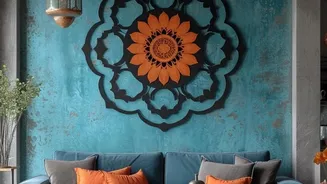
Embrace a Vibrant Colour Palette
Navratri is synonymous with colour, and this is the easiest way to infuse festive energy into your home. Each day of the festival has a dedicated colour, like bright yellow for optimism, green for harmony, and powerful red for passion. You don't need
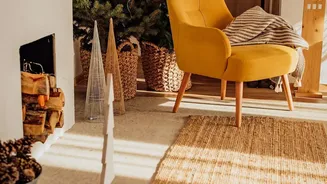
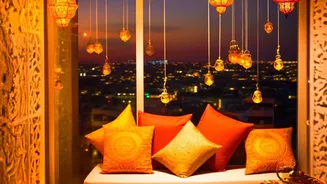
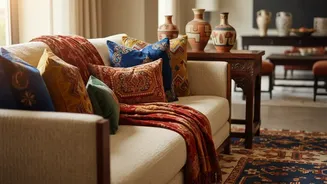
to repaint your walls; instead, think in layers. Swap out your everyday cushion covers for ones in shades of orange, royal blue, or pink. A colourful table runner, bright curtains, or even a statement rug can dramatically alter the mood of a room, making it feel instantly more celebratory and welcoming. Think of your neutral furniture as a canvas for these pops of festive colour.
Weave in Traditional Textiles
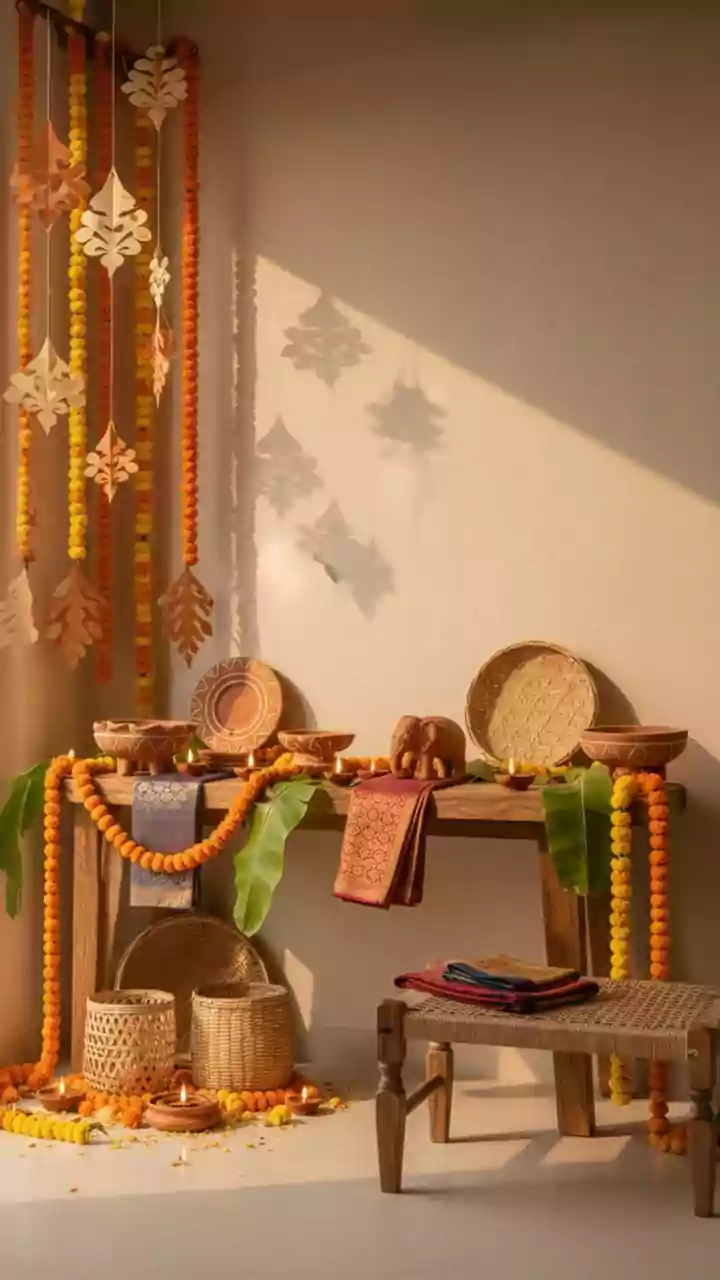
Texture adds depth and warmth that colour alone cannot. This Navratri, look to India's rich heritage of textiles. Fabrics like Bandhani, Ikat, and hand-block prints introduce both pattern and an artisanal feel. Draping a vibrant silk or cotton saree as a backdrop for your pooja mandir can create a stunning focal point. Consider cushion covers made from velvet or brocade for a touch of luxury, or use jute and handwoven cotton for a more earthy, rustic feel. These textiles tell a story and connect your modern home to centuries of craftsmanship, adding an authentic and personal touch.
The Magic of Floral Arrangements
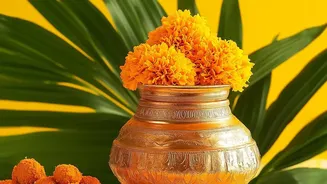
Flowers are an indispensable part of any Indian festival. For Navratri, marigolds are a classic choice, their sunny orange and yellow hues symbolising auspiciousness. Create traditional 'torans' (garlands) of marigold and mango leaves to hang on your main door, which is believed to welcome positive energy. Fill brass 'urli' bowls with water and float petals and tea-light candles for a serene and beautiful centrepiece. Arrangements of jasmine can add a lovely fragrance to the pooja corner, enhancing the spiritual atmosphere of your home during the nine nights of celebration.
Illuminate with Festive Lighting
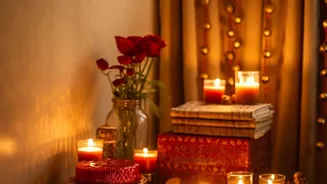
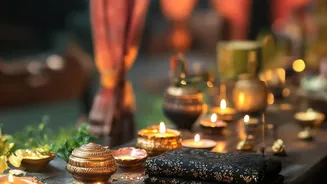
Lighting is crucial for creating a festive ambiance. Move beyond standard overhead lights and layer different sources of warm light. Traditional hand-painted clay 'diyas' are a must, and can be placed at the entrance, in the pooja room, or on a balcony. For a safer option, especially around children or curtains, mix in some LED diyas that mimic a real flame. Paper lanterns, whether bought or handmade, add a whimsical touch and a soft, diffused glow. Grouping candles and votives on a console or side table can also create an intimate, warm atmosphere perfect for evening 'aartis' and family gatherings.
Incorporate Handcrafted and Metallic Accents
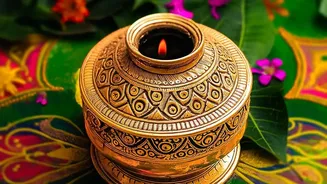
Handmade decor items bring a unique charm and personal feel to your festive setup. This could include hand-painted terracotta idols, wooden artefacts, or decorative wall hangings made of beads and mirrors. These pieces support local artisans and add authenticity. Alongside these earthy elements, introduce the gleam of metal. Brass, in particular, has long been a part of festive decor in India. Use brass lamps, bells, decorative plates, and urli bowls to add a touch of traditional elegance. The warm glow of metal complements the vibrant colours and floral arrangements, creating a balanced and sophisticated festive look.
Create a Welcoming Entrance
The entrance sets the tone for your entire home. A beautiful 'rangoli' on the floor is a traditional way to welcome guests and the divine spirit of the festival. You can create intricate patterns with coloured powders or opt for an eco-friendly version using flower petals, rice flour, or grains. Combining a floral toran on the door, a vibrant rangoli on the floor, and a few strategically placed diyas creates a powerful first impression that signals warmth, celebration, and hospitality.