



From Discarded Waste to Culinary Treasure
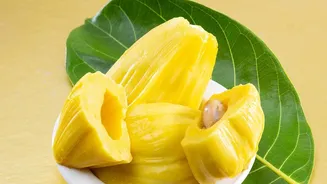
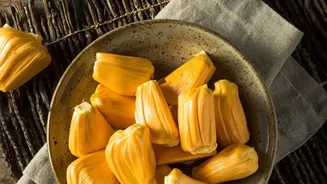
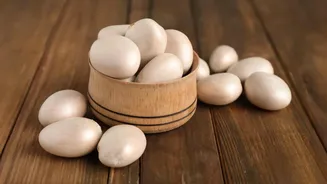
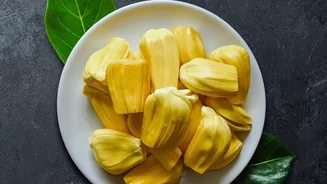
In India, where jackfruit is abundant, a significant amount of its seeds are discarded annually, contributing to agricultural waste. This represents not just an environmental issue but a missed opportunity. Enter the concept of upcycling: transforming
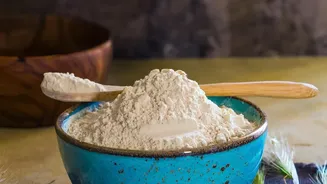
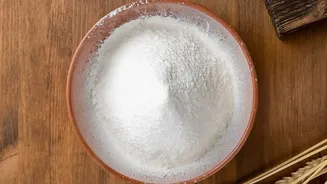
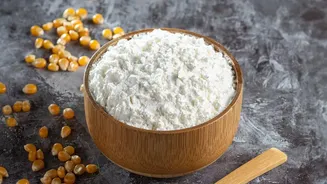
by-products or waste materials into new, higher-value products. The process for creating jackfruit seed flour is a prime example of this sustainable approach. The seeds, which make up about 10-15% of the fruit's weight, are collected, cleaned, boiled or roasted, dried, and then milled into a fine powder. This simple, often low-cost process turns what was once waste into a valuable, shelf-stable food ingredient, aligning perfectly with the principles of a circular economy by creating value and reducing landfill burden.
A Nutritional Powerhouse for Modern Diets
The buzz around jackfruit seed flour isn't just about sustainability; it's packed with impressive health benefits. It is naturally gluten-free, making it an excellent alternative for those with sensitivities or celiac disease. The flour is a rich source of plant-based protein and dietary fibre, which aids digestion, helps prevent constipation, and promotes a feeling of fullness. It’s also loaded with essential nutrients. It contains significant levels of potassium and magnesium, which are vital for regulating blood pressure and supporting bone health. The seeds also provide B vitamins like thiamine and riboflavin that help the body convert food into energy, along with minerals such as iron and zinc that boost immunity.
The Baker's New Best Friend?
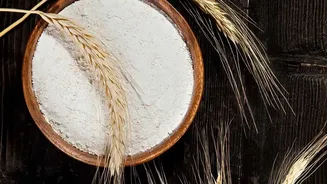
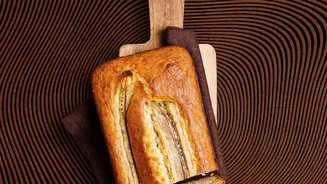
For home bakers and the food industry, jackfruit seed flour offers intriguing possibilities. It has a neutral-to-slightly-nutty flavour that allows it to blend seamlessly into various recipes without overpowering other ingredients. It can be used to make everything from bread and cookies to pancakes and traditional Indian flatbreads like rotis. In baking, it can be used as a partial substitute for wheat flour to enhance the nutritional profile of goods like cookies and cakes, increasing their protein and fibre content. Studies have shown that substituting wheat flour with up to 25% jackfruit seed flour can yield positive results, though higher concentrations can sometimes affect texture due to the lack of gluten. Its excellent water and oil absorption properties also make it a good binding agent and a natural thickener for soups and stews.
A Growing Trend in Conscious Consumption
The rise of jackfruit seed flour is part of a larger global movement towards sustainable eating and reducing food waste. Consumers are increasingly looking for products that are not only good for their health but also for the planet. Upcycled ingredients fit this demand perfectly. The global market for jackfruit seed flour is already valued in the hundreds of millions of dollars and is projected to grow significantly, with India poised to be a major leader in this expansion due to its abundant raw material supply. This growth is driven by health-conscious consumers and food manufacturers seeking innovative, plant-based, and sustainable ingredients. As it becomes more widely available through online retailers and specialty stores, jackfruit seed flour is moving from a niche novelty to a legitimate pantry staple for the eco-conscious foodie.