







The Green Wave Arrives
Just a few years ago, matcha was a niche item, found only in speciality Japanese restaurants or the pantries of serious wellness enthusiasts. Today, it’s a menu staple at third-wave coffee shops and has even given rise to dedicated matcha bars in cities
like Mumbai and Bangalore. This surge isn't accidental. It's a movement driven by a young, urban demographic that is increasingly health-conscious and globally connected. The Indian matcha market is now growing at nearly double the pace of the traditional tea market, fueled by millennials and Gen Z who are looking for alternatives to both sugary drinks and the standard cup of chai.
An Elixir for Modern Times
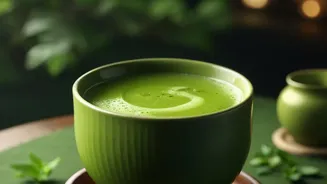
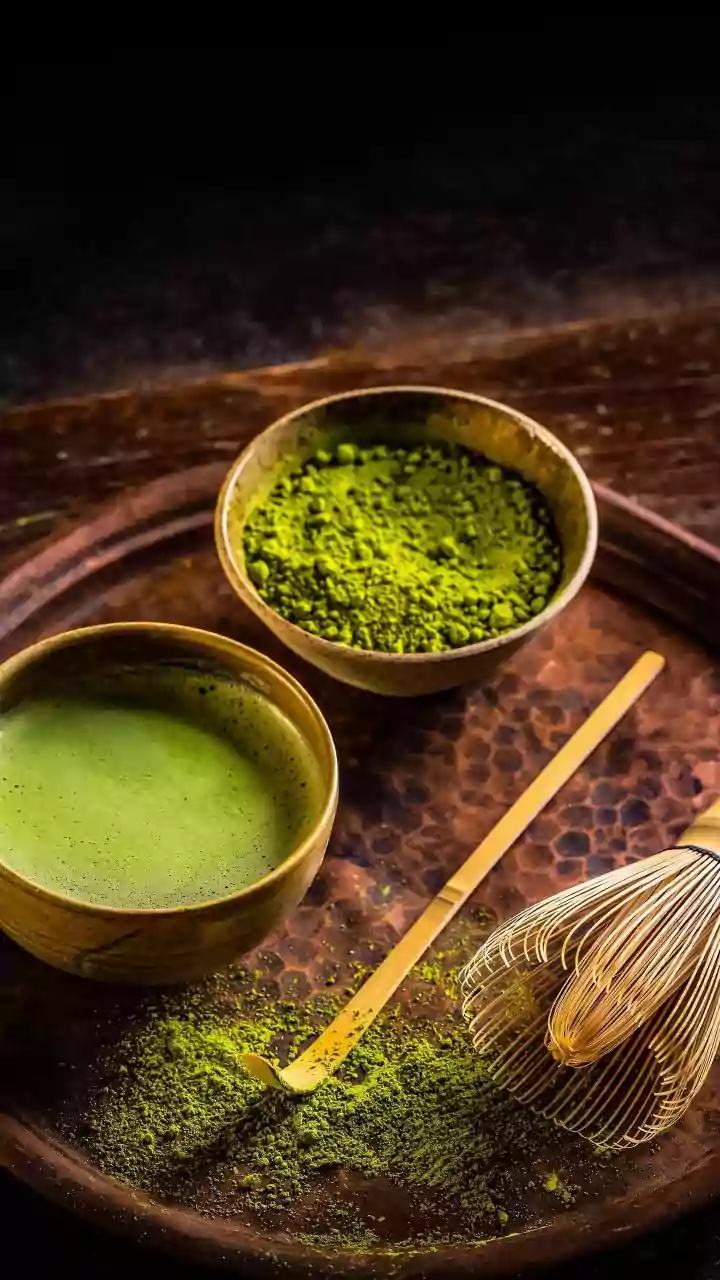
So what exactly is this green powder? Matcha is finely ground, high-quality green tea leaf. Unlike regular green tea, where you steep and discard the leaves, with matcha you consume the entire leaf, making it a more potent source of nutrients. It's packed with antioxidants, which are known to help prevent cell damage and lower the risk of chronic diseases. It also contains L-theanine, an amino acid that promotes a state of calm alertness, offering sustained energy without the jitters often associated with coffee. This unique combination of benefits makes it the perfect beverage for today's wellness-focused culture, where mindfulness and productivity are equally valued.
Designed for the Digital Age
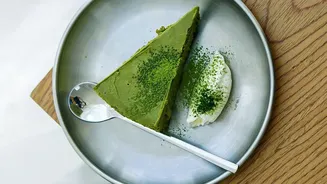
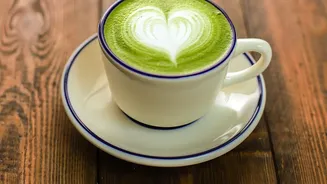
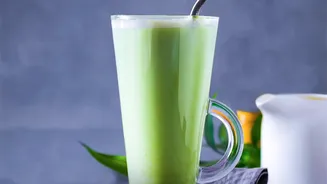
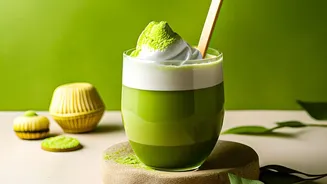
Let's be honest: matcha is incredibly 'Instagrammable'. Its vibrant green colour makes for a stunning visual, whether it's swirled into a latte, dusted over a tiramisu, or blended into a smoothie. Café owners and entrepreneurs have leaned into this, creating minimalist, aesthetically pleasing spaces that serve as the perfect backdrop for their photogenic products. These cafés, often inspired by Japanese wabi-sabi principles or clean, contemporary design, become destinations in themselves. The visual appeal is a significant part of the experience, reflecting a cultural moment where what we consume is also what we curate and share online.
The New Community Hub
Beyond the health benefits and aesthetics, matcha cafés are becoming modern community spaces. Much like the coffee houses of a previous generation, they are turning into 'third places'—somewhere between home and work—where people gather, connect, and relax. Some cafés are designed as experience-led spaces, featuring floating matcha bars where customers can watch the ritual of preparation, or hosting workshops and community events. In cities where public spaces are limited, these cafés offer a calm, curated environment for conversation, co-working, or simply quiet contemplation. They are becoming the new 'addas' for a generation that values curated experiences and a sense of belonging.
The Business of Zen
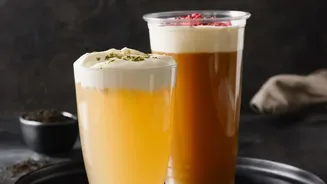
The rise of matcha is also a story of smart business. Entrepreneurs and established brands like Blue Tokai and Third Wave Coffee were quick to spot the trend, introducing matcha as a premium, craft beverage that aligned with their specialty coffee offerings. New, dedicated matcha bars are being launched, some with celebrity backing, indicating strong market confidence. These businesses are not just selling a drink; they are selling a lifestyle. By sourcing high-quality, ceremonial-grade matcha from Japan and creating innovative drinks—from Mango Matcha Lattes to Matcha Yuzu Tonics—they cater to a discerning customer base willing to pay a premium for authenticity and novelty.