







The Universal Struggle
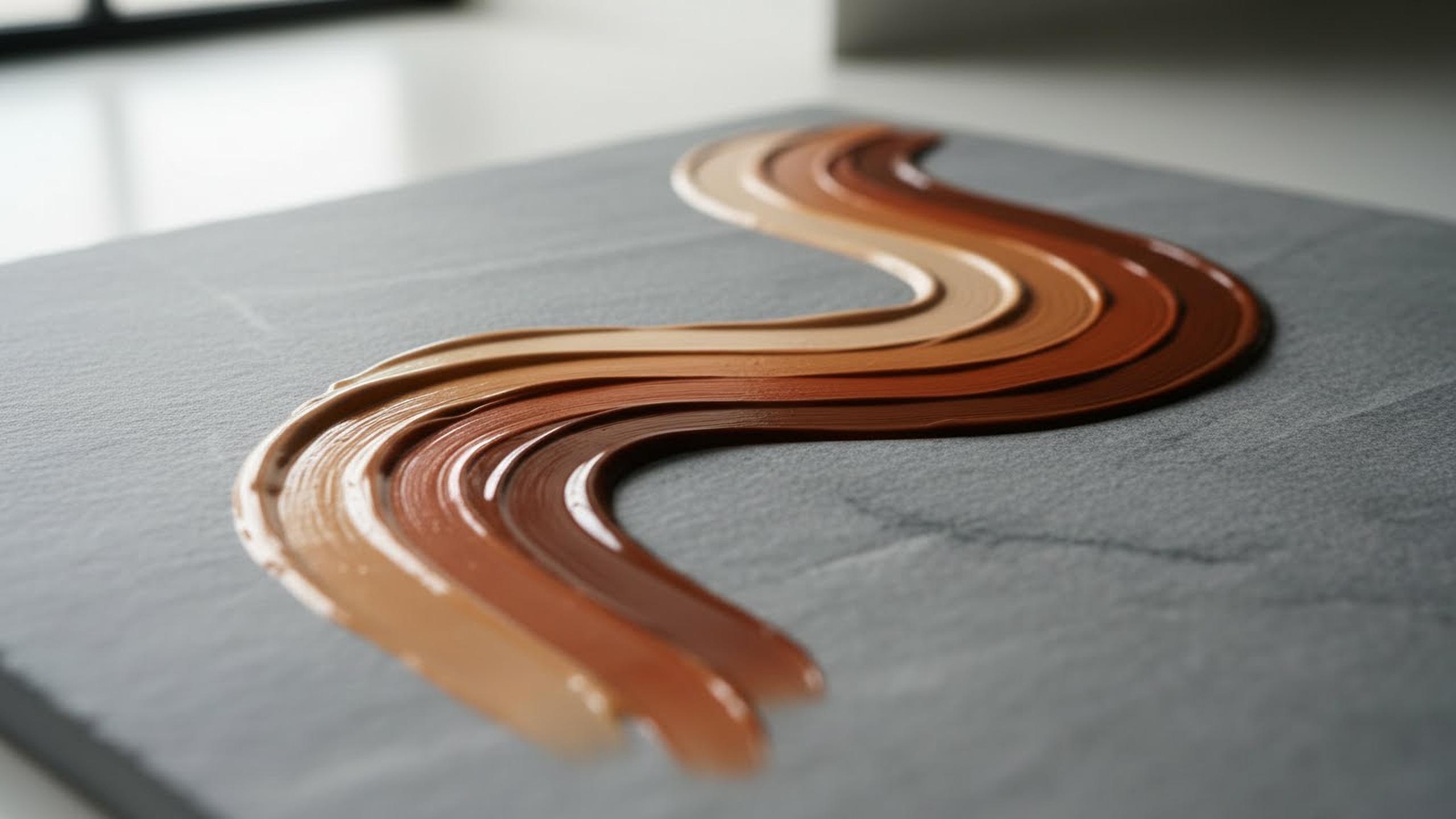
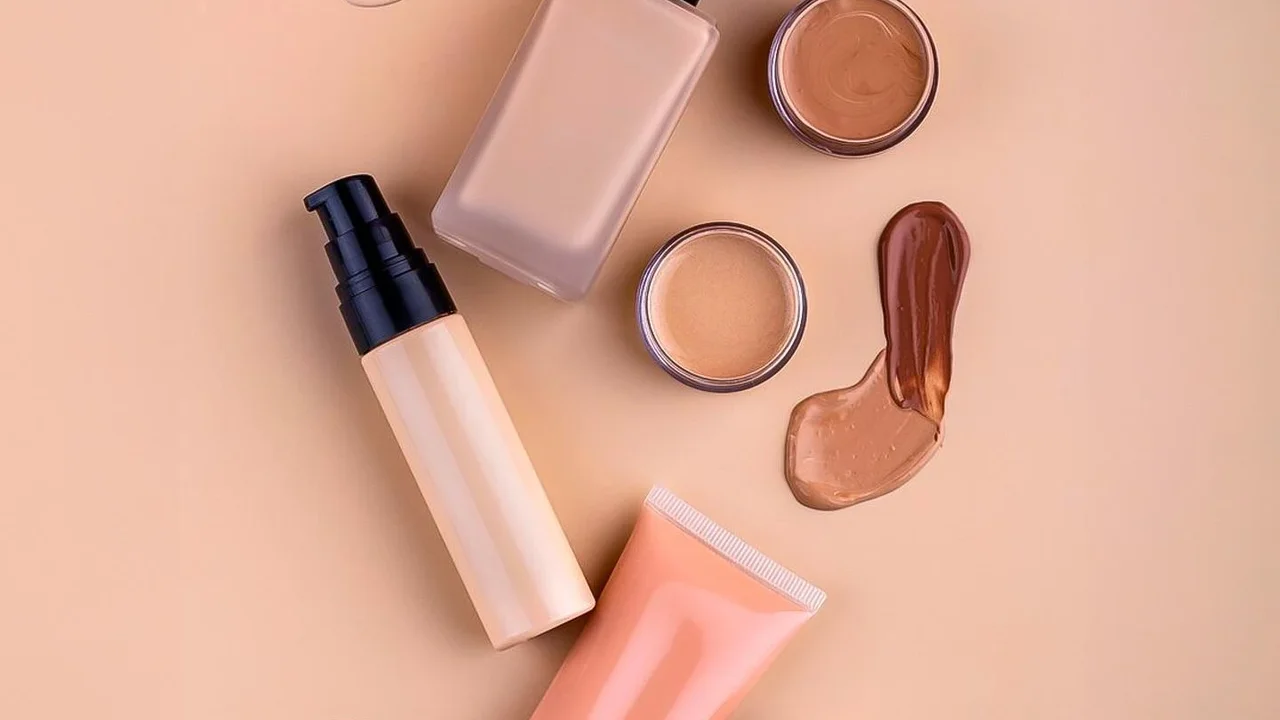
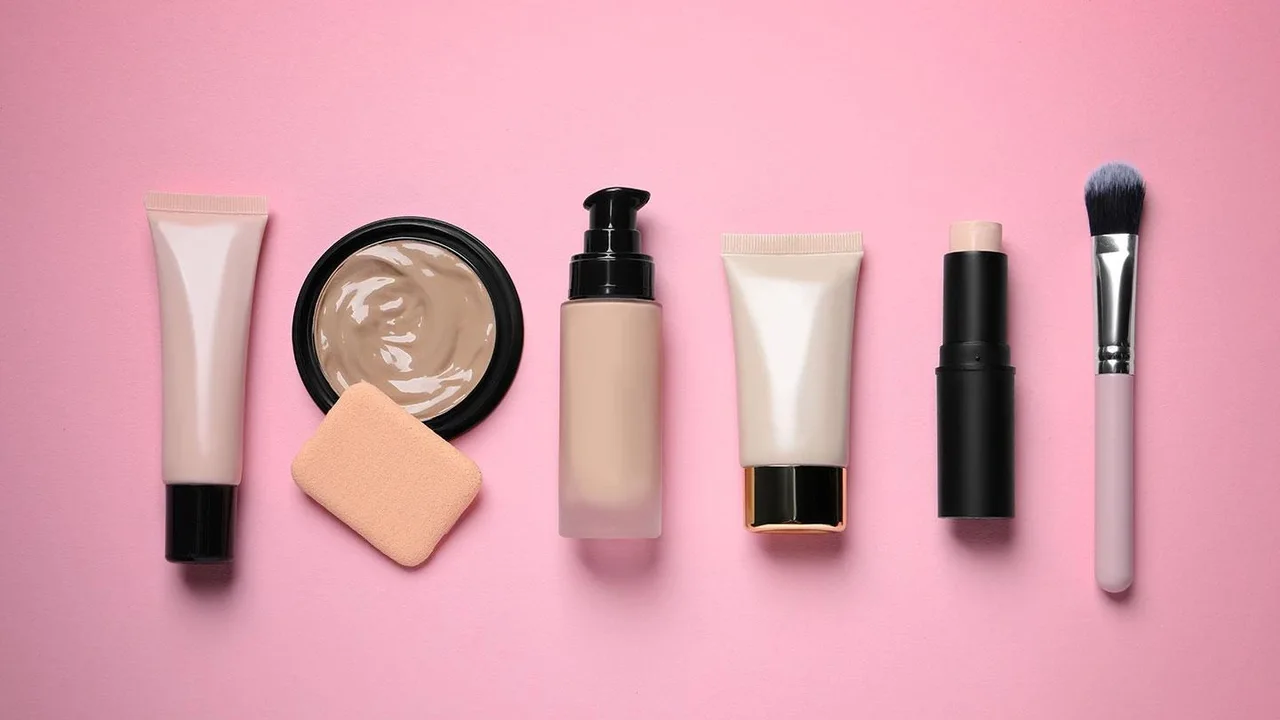
For decades, finding the right foundation shade has been a frustrating ritual of trial and error. Poor in-store lighting, pressure from sales staff, and the way foundation oxidises and changes colour on the skin all contribute to the problem. It’s a common
experience to think you’ve found a match, only to step outside and realize it’s completely wrong. This search is not just a matter of convenience; it’s an expensive and often dispiriting process. Some reports suggest the average woman buys the wrong shade up to seven times before finding a true match. The expansion of shade ranges by brands like Fenty Beauty, while a huge step forward for inclusivity, also widened the margin for error for consumers trying to choose between 40 or 50 shades.
How AI Enters the Picture
Enter artificial intelligence. Beauty and tech companies are now using AI to take the guesswork out of shade matching. These tools generally fall into two categories: camera-based analysis and detailed quizzes. Camera-based tools, like Sephora’s Color iQ, use a device or your phone’s camera to scan your skin. The technology analyzes the pixels in the image to determine your precise skin tone, including your undertones (the cool, warm, or neutral hues beneath the surface). Some advanced tools even use spectroscopy, analyzing how light reflects off your skin to get an incredibly precise reading. These systems then compare your unique skin signature against a vast database of foundation products to recommend your best matches.
The Quiz-Based Approach
Other popular tools, like the much-advertised IL MAKIAGE PowerMatch quiz, skip the camera altogether. Instead, they use a machine-learning algorithm built on hundreds of thousands of data points from other users. You answer a series of questions about your skin, such as how it tans, what colour your veins appear, and which shade you've used in other brands. The algorithm uses your answers to place you within its complex map of over 700 skin tone combinations and predict your ideal shade. The brand claims a high accuracy rate and its try-before-you-buy model shows confidence in its tech.
Are They Actually Accurate?
This is the multi-million dollar question. The answer is: mostly, but with caveats. In-store tools like Sephora's Color iQ, which uses a dedicated device, tend to be highly accurate because they control for lighting and use advanced technology. At-home camera apps are more variable. The quality of your phone's camera and, most importantly, the lighting in your room can drastically alter the results. A scan in warm, yellow-toned light will yield a very different recommendation than one in cool, natural daylight. Similarly, quiz-based tools rely on the user's ability to accurately self-assess their own skin, which can be difficult for those who don't already know if they have warm or cool undertones. Some users find the results to be spot-on, while others report receiving a shade that is still slightly off.
The Future of Personalised Beauty
Despite the current limitations, AI is fundamentally changing the beauty industry from reactive routines to predictive, data-led personalization. The technology is moving beyond just shade matching. AI is now being used to analyze skin for concerns like fine lines or hyperpigmentation and recommend entire skincare routines. Future advancements will likely integrate real-time data from wearable sensors to account for factors like hydration levels, sun exposure, and even pollution. This hyper-personalization is the new frontier, with brands aiming to create experiences and products that feel uniquely tailored to each individual consumer.