


The Sun's Rhythmic Cycle
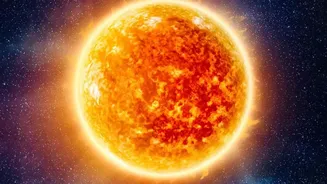
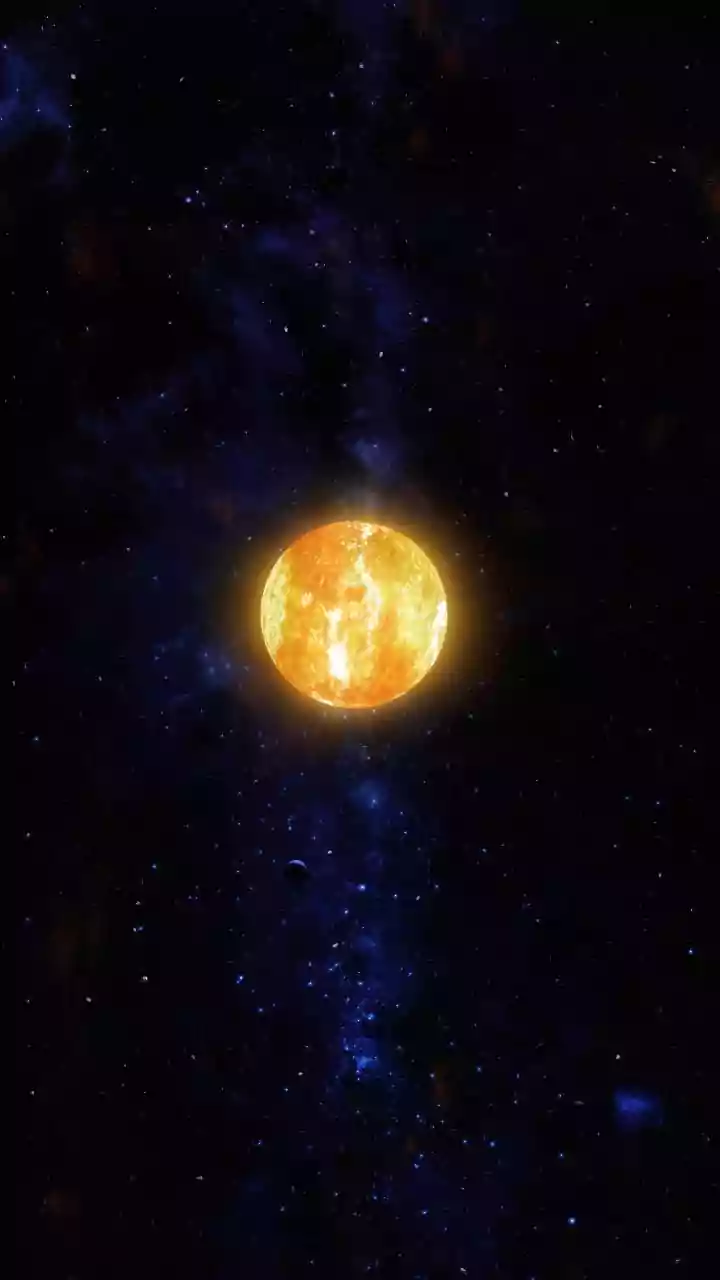
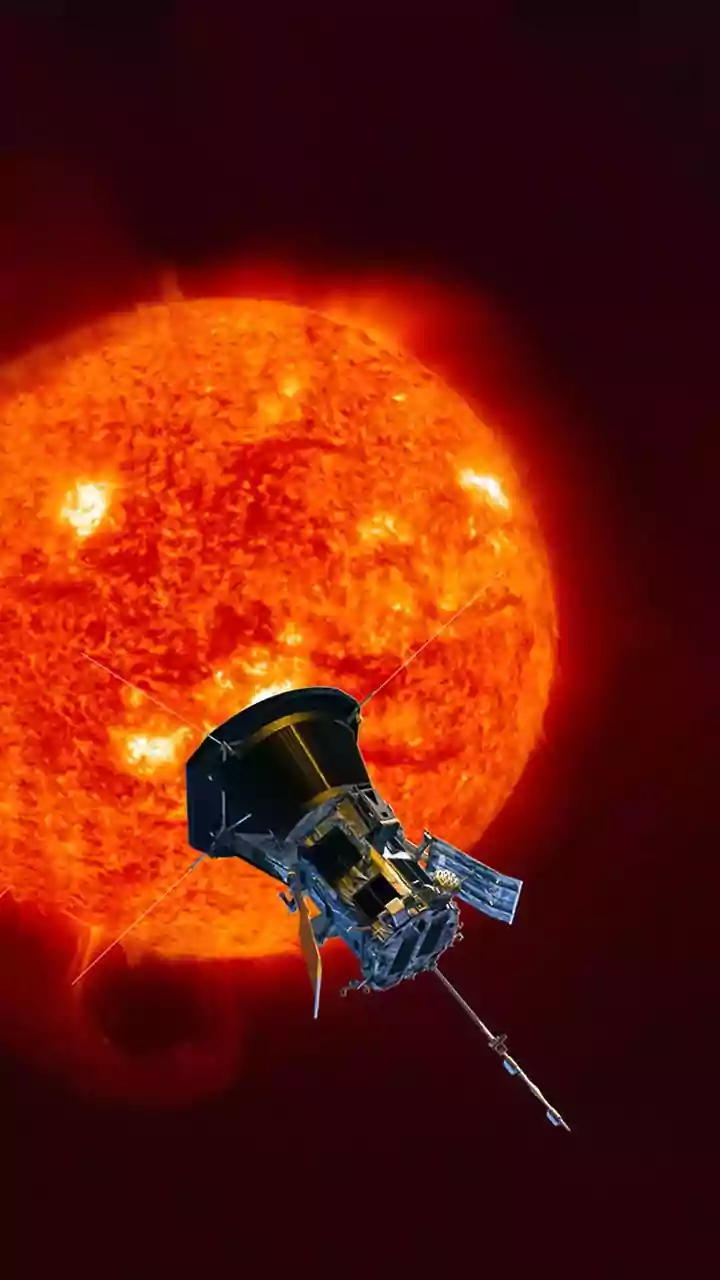
The key to this incredible light show lies 150 million kilometres away, with our Sun. Our star isn't static; it goes through an approximately 11-year cycle of activity, swinging from a quiet period, known as the solar minimum, to a turbulent peak called
the solar maximum. We are currently in Solar Cycle 25, which began in December 2019. During this cycle, the Sun's magnetic field lines become increasingly tangled and complex. This magnetic chaos generates more sunspots, which are cooler, darker patches on the solar surface that are hotbeds of intense magnetic activity. These sunspots act like cosmic slingshots, capable of flinging enormous amounts of energy and matter into space.
What Happens During Solar Maximum?
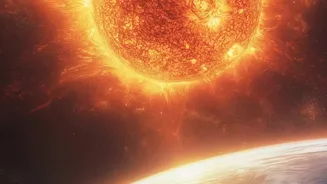
As we approach solar maximum, the frequency and intensity of solar events dramatically increase. The two main phenomena that supercharge auroras are solar flares and coronal mass ejections (CMEs). A solar flare is an immense burst of radiation, primarily X-rays and ultraviolet light, that reaches Earth at the speed of light in about eight minutes. A CME is even more dramatic: a colossal explosion of plasma and magnetic fields from the Sun's outer atmosphere, the corona. These CMEs are clouds of charged particles that travel through space at speeds of millions of kilometres per hour, sometimes taking a few days to reach our planet. Solar Cycle 25 has already proven to be stronger and more active than initially predicted, setting the stage for some spectacular celestial events.
The Journey of a Solar Storm
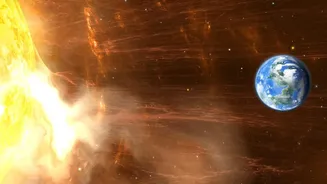
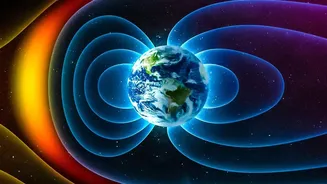
When a CME billows toward Earth, it eventually collides with our planet's protective magnetic field, the magnetosphere. This invisible shield deflects most of the harmful solar wind, but a powerful CME can compress and rattle it, triggering what's known as a geomagnetic storm. During such a storm, some of the high-energy particles from the sun are funnelled down the magnetic field lines toward the North and South Poles. These particles then slam into atoms and molecules of gas in our upper atmosphere—primarily oxygen and nitrogen. This cosmic collision is the engine that drives the aurora.
Painting the Sky With Light
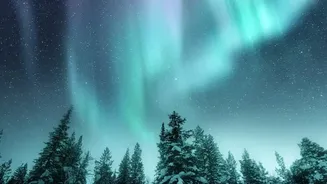
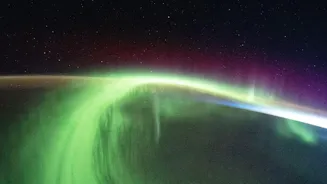
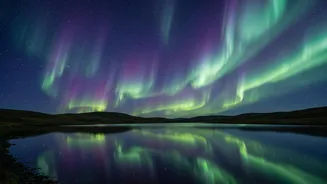
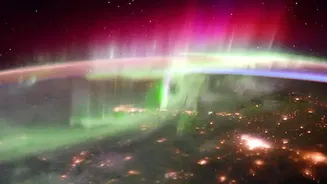
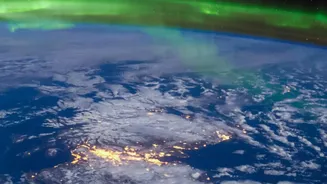
The beautiful glow of the aurora is the visible result of those atmospheric collisions. When the charged solar particles strike gas atoms, they transfer energy, 'exciting' the atoms. As these atoms return to their normal state, they release that excess energy in the form of photons—tiny particles of light. The colour of the aurora depends on which gas is being struck and at what altitude. Oxygen is responsible for the most common colour, a brilliant green, and can also produce red light at higher altitudes. Nitrogen contributes to the blues and purplish-reds that can sometimes be seen in the dancing curtains of light.
Why 2026 Is a Prime Viewing Year
While initial forecasts placed the peak of Solar Cycle 25 in mid-2025, revised predictions from agencies like NOAA suggest a stronger, earlier peak between late 2024 and early 2025. However, the solar maximum isn't a single event but a period of heightened activity that can last for several years. This means that 2026 will still be a period of intense solar activity. Stronger and more frequent CMEs create more powerful geomagnetic storms. These major storms can dramatically expand the 'auroral oval'—the ring around the magnetic poles where auroras typically occur. When this oval expands, it pushes the lights much farther south than usual, bringing them into view for millions of people who have never seen them before.
Where Might the Auroras Appear?
Normally, you'd need to travel to high-latitude locations like Iceland, Norway, or northern Canada to see the aurora. But during the powerful storms expected around this solar maximum, sightings could occur over the northern tier of the United States, such as in northern Michigan and Maine. In fact, during exceptionally strong storms, the lights have been seen in historically rare locations. A major G5 storm in May 2024 produced aurora sightings as far south as Florida and Mexico. While such extreme events are not guaranteed, the elevated activity in 2026 significantly increases the probability of strong geomagnetic storms that could make the aurora visible across parts of Europe and the lower 48 states. Keeping an eye on space weather forecasts will be key for any prospective sky-watchers.