

Monitor Weather and Landslide Risks
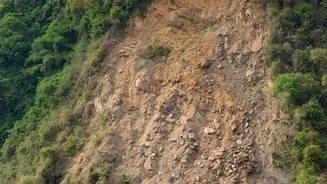
The post-monsoon period, from late September to November, is a transitional season. While the heavy rains have subsided, the ground remains saturated, making it highly susceptible to landslides. Recent years have seen an increase in intense, localized
rainfall events even after the main monsoon, which can trigger flash floods and devastating mudslides with little warning. In October 2026, for example, a landslide-induced flood in Nepal's Gorkha District caused significant damage just weeks after the official monsoon season ended. Before and during your trip, religiously check weather forecasts from reliable sources like the India Meteorological Department (IMD). Pay close attention to any orange or red alerts, which indicate a higher risk, and be prepared to change your plans accordingly.
Prioritise a Flexible Itinerary
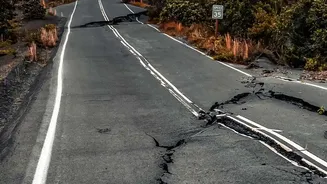
Road closures are a common reality of post-monsoon Himalayan travel. A single landslide can block a key highway for hours or even days, severing access to entire valleys. In late 2026, numerous roads in states like Himachal Pradesh and Uttarakhand remained closed or damaged from monsoon washouts, impacting travel to popular destinations. The smartest strategy is to build buffer days into your itinerary. This extra time allows you to wait out a road closure without the stress of missing a flight or a connection. When booking, opt for flexible or refundable flights and accommodations where possible. Always have a backup plan or an alternative route in mind.
Verify Road Conditions in Real Time
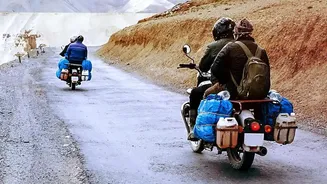
Do not rely on online maps or old travel reviews for road status. Conditions can change in an instant. Before starting your journey each day, seek out the most current information. Local drivers are often the best source of real-time updates. You can also check official sources, such as state Public Works Department (PWD) or Border Roads Organisation (BRO) websites and helplines. If you are staying at a hotel, ask the staff about the condition of the final stretch of road leading to their property. Avoid driving at night, when visibility is poor and the risk of encountering an unannounced blockage or hazard is much higher.
Address Post-Monsoon Health Concerns
The post-monsoon season brings its own set of health risks. The humid environment is a breeding ground for mosquitoes, increasing the risk of diseases like dengue fever and Japanese encephalitis, even in cities like Kathmandu. Use insect repellent and wear long sleeves to minimise bites. Eye infections such as conjunctivitis are also more common. Always drink boiled or sealed bottled water and avoid raw foods to prevent gastrointestinal issues. Leeches can be prevalent on trekking trails at lower elevations; while mostly harmless, they can be a nuisance. And regardless of the season, if you are ascending above 2,500 metres, be vigilant about the symptoms of Acute Mountain Sickness (AMS), such as headache, nausea, and dizziness.
Pack for Unpredictable Conditions
Packing for the post-monsoon Himalayas is about layering and waterproofing. Even on a clear day, temperatures can drop dramatically, and sudden showers are always possible. Your packing list should prioritise function over fashion. A waterproof and windproof outer shell jacket is non-negotiable. Instead of heavy cottons, opt for quick-drying synthetic fabrics and merino wool base layers that stay warm even when damp. Sturdy, waterproof hiking boots with good grip are essential for navigating muddy and slippery trails. Also, ensure you have a waterproof cover for your backpack and use dry bags or plastic bags inside to protect electronics, documents, and your sleeping bag.
Hire Reputable Local Guides and Drivers
Local knowledge is your greatest safety asset in the mountains. Experienced local drivers and guides possess an intimate understanding of the terrain, weather patterns, and current risks. They know which slopes are unstable, which streams are prone to flash floods, and which roads have been recently compromised. When hiring a guide or a vehicle, choose a reputable operator with a proven track record of safety. While it might be tempting to go with the cheapest option, investing in experienced local expertise is an investment in your well-being. They can make informed decisions to alter routes or turn back when conditions become unsafe.