







It's Not Just How Much, But When
One of the biggest shifts in understanding protein is moving from a daily total to a per-meal mindset. Instead of loading up on protein in one large dinner, studies show that distributing your intake evenly throughout the day is more effective for muscle
health. [9, 15, 23] Our bodies are constantly breaking down and rebuilding muscle, and providing a steady supply of amino acids from protein supports this process. [15, 23] Research suggests that aiming for 25-30 grams of high-quality protein at each meal can maximize muscle protein synthesis, the process that leads to muscle repair and growth. [10, 26, 27] Consuming the bulk of your protein in the evening means you miss out on stimulating this process earlier in the day. [21, 23] A balanced approach—protein at breakfast, lunch, and dinner—is far more effective. [21, 25]
Finding Your Personal Protein Number
The generic advice on protein doesn't fit everyone. Your ideal intake depends on age, weight, and activity level. The standard recommendation for a sedentary adult is about 0.8 grams of protein per kilogram of body weight. [5, 13, 20] However, this is a minimum to prevent deficiency, not what's optimal for everyone. [5] As we age, our bodies become less efficient at using protein, so adults over 65 may need more—around 1.0 to 1.2 grams per kilogram—to combat age-related muscle loss. [10, 18, 20, 26] Active individuals and athletes also have higher needs, typically ranging from 1.2 to 2.0 grams per kilogram, to support muscle repair and growth. [4, 10, 20] To find your starting point, you can multiply your weight in pounds by 0.36, but remember to adjust for your activity level and age. [3, 5]
Focus on Quality and Completeness
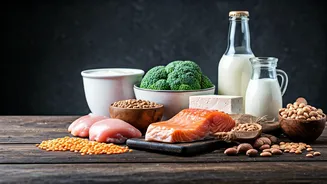
Not all protein is created equal. The quality of a protein is determined by its amino acid profile. Proteins are made of 20 amino acids, nine of which are 'essential' because our bodies can't make them—we must get them from food. [8] 'Complete' proteins contain all nine essential amino acids. [1, 2, 6, 7] Most animal-based foods like meat, fish, eggs, and dairy are complete proteins. [1, 2, 8] Many plant-based proteins are 'incomplete', meaning they are low in one or more essential amino acids. [1, 6, 8] However, this is easily solved. By eating a variety of plant foods—like pairing rice and beans or having hummus with whole-grain pita—you can get all the essential amino acids you need over the course of a day. [2, 12] Plant-based sources of complete protein also exist, including soy, quinoa, buckwheat, and chia seeds. [1, 6, 7]
Debunking Common Protein Myths
Let's clear up some common misconceptions. First, more protein does not automatically equal more muscle. [11, 12, 17] Muscle growth requires resistance exercise; extra protein without the right training will simply be used for energy or stored as fat. [20] Second, while high protein intake was once thought to be harmful to kidneys, this is generally not a concern for healthy individuals. [11] People with pre-existing kidney disease, however, do need to be cautious. [20] Finally, you don't necessarily need protein shakes and powders. [13] While they can be a convenient supplement, especially for athletes, most people can easily meet their needs through whole foods. [11, 25] Focusing on a balanced diet rich in varied protein sources is the most sustainable and nutritious approach. [25, 28]