






The Underrated Power of Brisk Walking
Let's first clear the air: brisk walking is not lazy cardio. It's smart cardio. Unlike high-impact running, which can be tough on your knees, hips, and ankles over time, brisk walking offers a fantastic cardiovascular workout with minimal stress on your joints.
The goal is to walk at a pace where you can still hold a conversation, but you’re breathing noticeably harder. This intensity is enough to elevate your heart rate into the moderate-intensity zone, which is ideal for improving heart health, managing weight, and boosting your mood. Studies from organisations like the American Heart Association consistently show that walking can lower the risk of high blood pressure, high cholesterol, and diabetes just as effectively as running. It’s accessible, requires no special equipment beyond a good pair of shoes, and can be done anywhere, from a local park to a treadmill at home.
Embracing the Yoga Calm
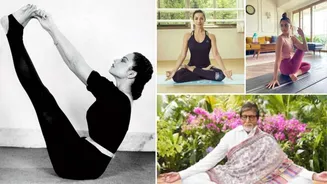
While walking strengthens your heart, yoga strengthens your foundation. It’s far more than just stretching. A consistent yoga practice builds functional strength, particularly in your core, back, and legs—the very muscles that support you during any physical activity. This helps improve your posture and balance, reducing the risk of injury. But the real magic of yoga lies in its mental benefits, addressing the 'Calm' in our headline. The focus on controlled breathing (pranayama) and holding poses (asanas) trains your mind to be present. This moving meditation is a powerful antidote to stress, anxiety, and mental fatigue. While running can sometimes be a mental escape, yoga is a mental check-in, helping you connect with your body and quiet the noise of daily life.
Why They Work Better Together
This is where the synergy happens. Brisk walking and yoga are not just two good activities; they are complementary forces. The rhythmic, repetitive motion of walking provides the aerobic conditioning, while yoga provides the anaerobic strength, flexibility, and recovery. Think of it this way: walking is the engine, and yoga is the chassis and suspension system that keeps everything running smoothly. The flexibility you gain from yoga can lead to a longer, more efficient stride in your walk. The core strength developed on the mat helps you maintain a stable, upright posture, preventing back pain during and after your walks. Furthermore, using a gentle yoga session as a cool-down after a walk can aid muscle recovery, reduce soreness, and calm your nervous system, turning your workout into a truly holistic wellness practice.
Your New Weekly Blueprint
Getting started is simpler than you think. You don't need to commit hours every day. The key is consistency. Here’s a sample weekly schedule you can adapt to your lifestyle: * **Monday:** 30-40 minute Brisk Walk. * **Tuesday:** 20-30 minute Yoga session (focus on a full-body flow). * **Wednesday:** 30-40 minute Brisk Walk. * **Thursday:** Rest or a 15-minute gentle/restorative Yoga session. * **Friday:** 45-minute Brisk Walk. * **Saturday:** 30-minute Yoga session (focus on strength and balance). * **Sunday:** Active recovery (a leisurely stroll) or complete rest. On walking days, aim for a pace of about 5-6 kilometres per hour. For yoga, there are countless free, high-quality beginner videos online. Search for 'beginner vinyasa flow' or 'yoga for flexibility' to start. Listen to your body and don’t push too hard, especially in the beginning.