





Understanding Thailand’s Travel Seasons
Thailand’s travel calendar is broadly divided into three seasons: the cool and dry high season, the hot season, and the green or rainy season. The high season, which typically runs from November to February, is the most popular time to visit. It brings
pleasant, cooler weather and minimal rain, attracting waves of tourists, especially around Christmas and New Year. Consequently, this is when flights and hotels are at their most expensive. The period from March to May is the hot season, while the rainy season generally spans from June to October, though its intensity and timing can vary significantly by region.
The Golden Window: Defining the ‘Early Season’
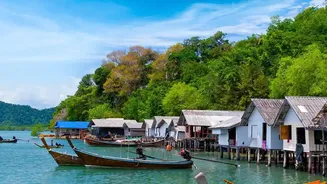
The sweet spot for savvy travellers is the ‘shoulder season’—specifically the period just before the high season madness kicks in. This golden window is typically late October and, most notably, November. During this time, the country is transitioning out of the rainy season. The landscapes are lush and vibrant, humidity levels drop, and the weather becomes increasingly stable and pleasant, especially in popular areas like Bangkok, Chiang Mai, and the Andaman Coast (Phuket, Krabi). You get high-season weather without the high-season crowds or prices.
The Economics of Off-Peak Luxury
Luxury hotels operate on a dynamic pricing model driven by demand. During the peak months of December and January, demand for premium rooms and private pool villas skyrockets, and so do the rates. Hotels can charge 30% to 80% more than in the low season. However, in the preceding shoulder season, these same hotels are eager to fill their rooms before the rush. This creates a window of opportunity where five-star properties offer significant discounts. Rates can be up to 50% lower than their peak. For instance, a luxury pool suite in Phuket that commands a high price in December might be available for a fraction of that cost in November. Booking during these months is one of the most effective strategies for enjoying premium accommodation affordably.
More Than Just Savings: Other Perks
Lower prices are just the beginning. Travelling in the early season means you’ll experience a more relaxed version of Thailand. With fewer tourists, popular beaches, temples, and attractions are far less crowded. This allows for a more immersive and peaceful experience, whether you're exploring the Grand Palace in Bangkok or island hopping in the Andaman Sea. Service in hotels and restaurants can often feel more personal and attentive before the staff is stretched thin by the holiday masses. Furthermore, November hosts one of Thailand's most beautiful festivals, Loi Krathong, where locals release candlelit floats on waterways, offering a magical cultural experience.
Planning Your Trip: What to Consider
While the early season offers fantastic value, a little planning goes a long way. Weather can still be unpredictable. While most of the country is drying out in November, the Gulf Coast islands like Koh Samui can experience their heaviest rainfall during this month due to a separate monsoon pattern. Therefore, for a beach holiday in November, the west coast destinations of Phuket and Krabi are a safer bet for sunshine and calm seas. To secure the best deals, it's wise to book your luxury accommodation a few weeks in advance, even in the shoulder season, as word gets out about this prime travel window.